





















American Science Faces Brain Drain as Funding Cuts Drive Researchers Abroad
By
mitchbob

The kind of bagel that ruins lesser bagels for you.
Summary
The article examines the brain drain in American science following Donald Trump's return to the presidency in 2025, focusing on how slashed science funding is driving young researchers abroad. It highlights the CDC's warnings about antibiotic-resistant 'superbugs' causing millions of infections and deaths in the US, and connects this public health crisis to the broader decline of America's biomedical research ecosystem. The piece argues that without urgent action to retain scientific talent and maintain innovation funding, the US risks losing its position as the world's leading biomedical research hub.
Key quotes
· 4 pulledThese drug-resistant germs, the CDC warned, are responsible for more than 3m infections in the US each year, claiming the lives of up to 48,000 Americans.
Globally, the largely untreatable pathogens contribute annually to almost 5m deaths, and health experts fear that unless urgent steps are taken they could become a leading killer.
As Trump slashes science funding, young researchers flee abroad.
Without solid innovation, the US could cease to have the largest biomedical ecosystem in the world.
You might also wanna read

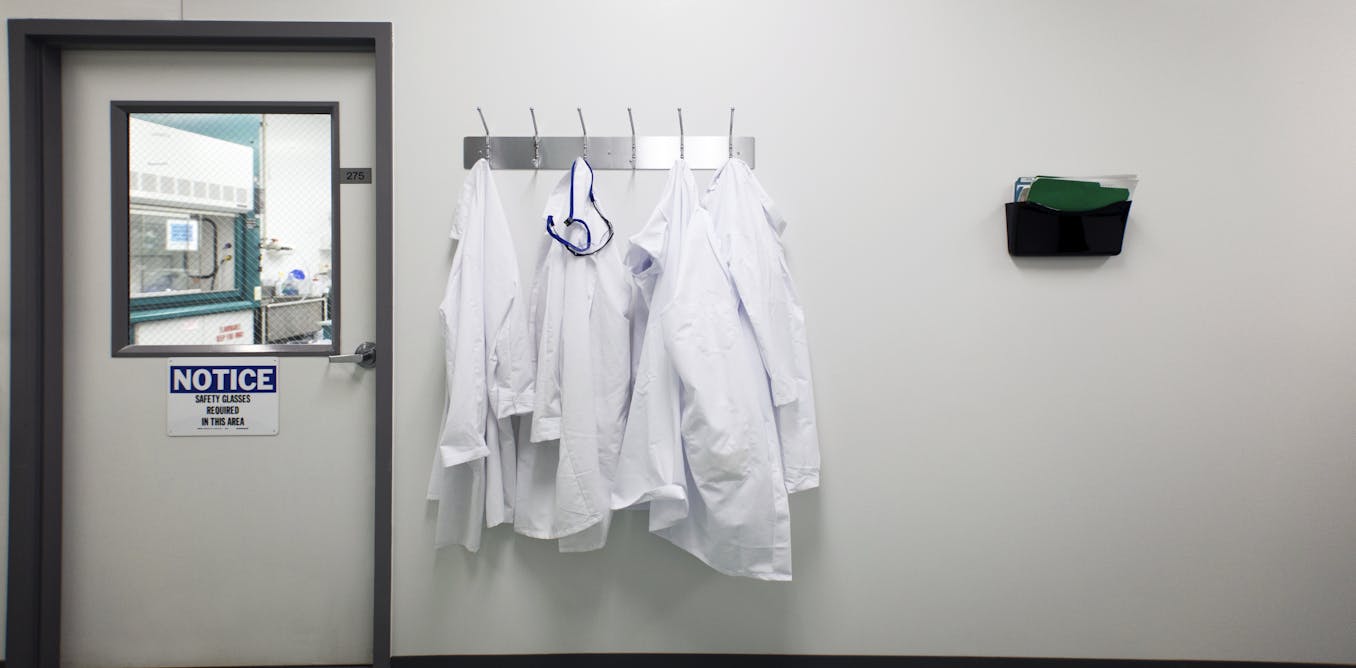
US researchers report self-censorship, stress, and recruiting challenges under Trump administration science policies
A survey of 280 US academic researchers reveals that the Trump administration's second-term science policies (since January 2025) have cause
 theconversation.com·4d ago
Tightening US visa rules threaten international researchers and scientific competitiveness
International scientists in the US are facing worsening visa bottlenecks marked by prolonged administrative processing, new fee and lottery
 cen.acs.org·17h ago
MIT President warns political interference and funding cuts are eroding scientists' optimism and America's innovation leadership
MIT President Sally Kornbluth reflects on the growing disillusionment among scientists due to political interference, funding cuts, and bure
 statnews.com·1d ago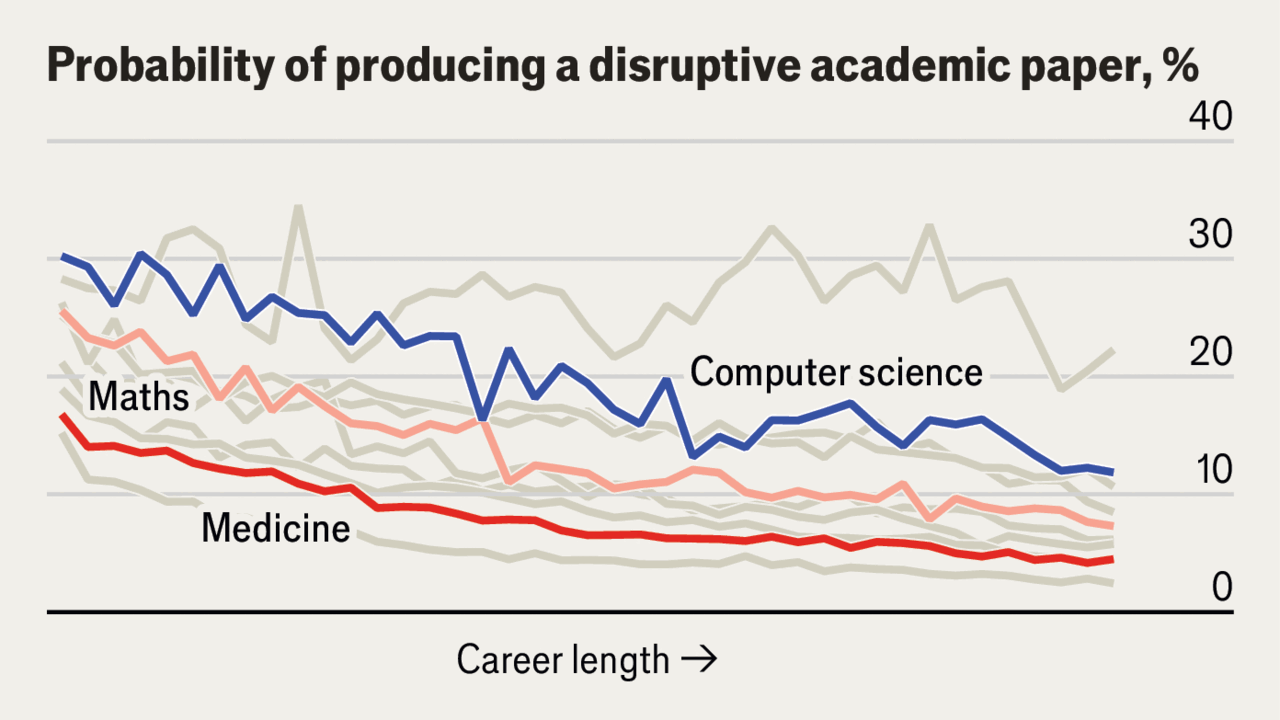
Study of 12.5 million scientists links aging researcher workforce to declining scientific breakthroughs
A new study analyzing 12.5 million scientists finds that researchers become less likely to produce disruptive, transformative work as they a
 economist.com·3d ago