

























You probably don't need extra electrolytes unless you're athletic or unwell
By
The Economist
Summary
The article discusses the origins of Gatorade, created in 1965 by University of Florida scientists to replenish minerals lost through sweating during intense athletic training. It notes that the original drink tasted like urine but was consumed by the Florida Gators football team, and with lemon juice added for flavor, it was believed to boost stamina. The article suggests that extra electrolytes are generally unnecessary unless you are athletic or unwell.
Source

 bskyYou probably don't need extra electrolytes unless you're athletic or unwellecon.st
Key quotes
· 4 pulledIN 1965 SCIENTISTS at the University of Florida mixed an unusual cocktail of water, sugar and salt for the college's American football players.
The drink tasted like urine, but the Florida Gators downed it anyway.
With lemon juice added for flavour, Gatorade—as the drink was called—was designed to replenish the minerals lost through sweating during hard training sessions in the southern heat.
The team reckoned it also boosted their stamina on game day.
You might also wanna read

Understanding the Role of Pickle Juice for Athletes
The article discusses the use of pickle juice by athletes, particularly for preventing muscle cramps. It highlights the misconception that p
bbc.com·1y ago
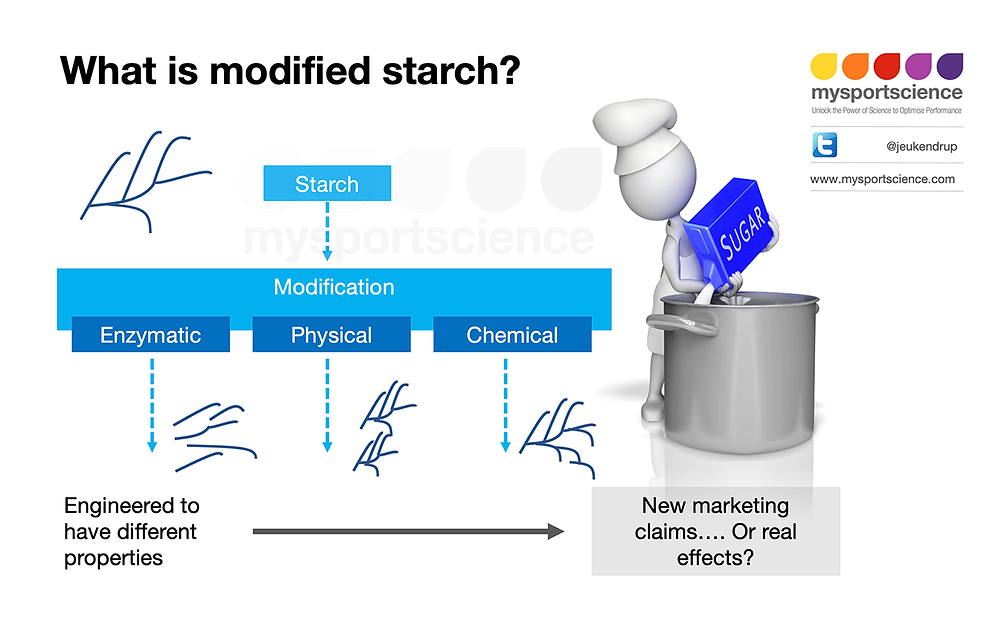
Hydrothermally modified starch: A new frontier in sports nutrition and exercise performance
This article explores the emerging sports nutrition concept of hydrothermally modified starch—a chemically altered carbohydrate designed to
 mssa.app·15h ago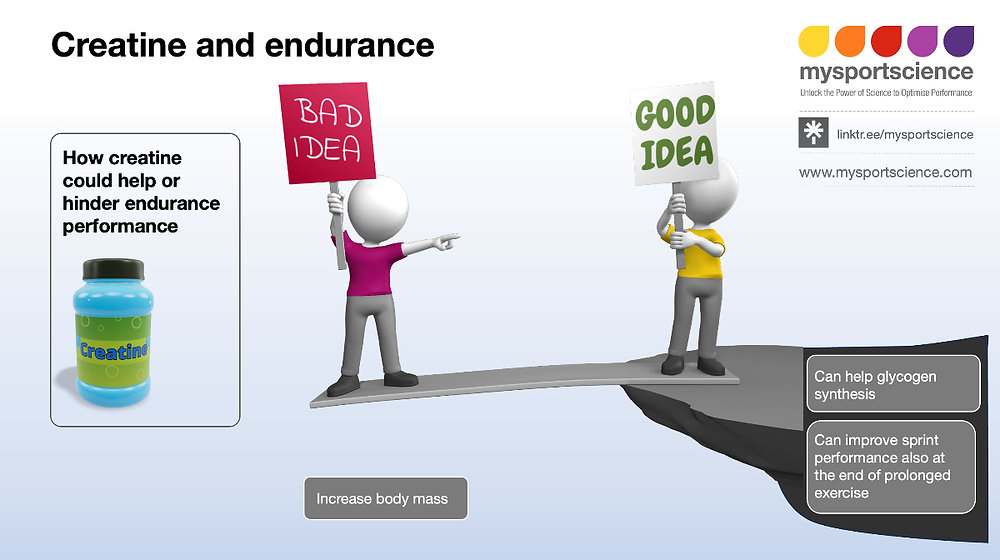
Examining the evidence: Can creatine supplementation benefit endurance athletes?
This article examines the effects of creatine supplementation on endurance performance. While creatine is well-established for improving mus
mssa.app·13h ago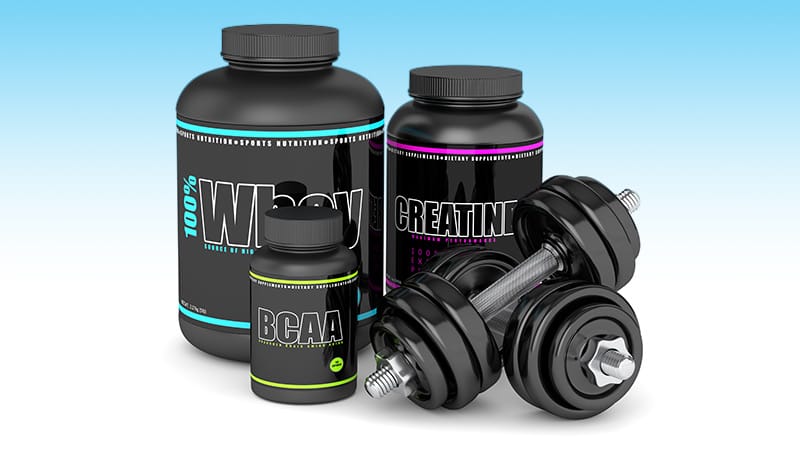
Protein and Creatine Supplements Go Mainstream: What the Science Says About Benefits, Dosage, and New Uses
Protein and creatine supplements have gone mainstream beyond the traditional fitness market. Protein demand is surging across all demographi
 mdsc.pe·2d ago
Caffeine, cocaine, and painkillers detected in sharks from The Bahamas
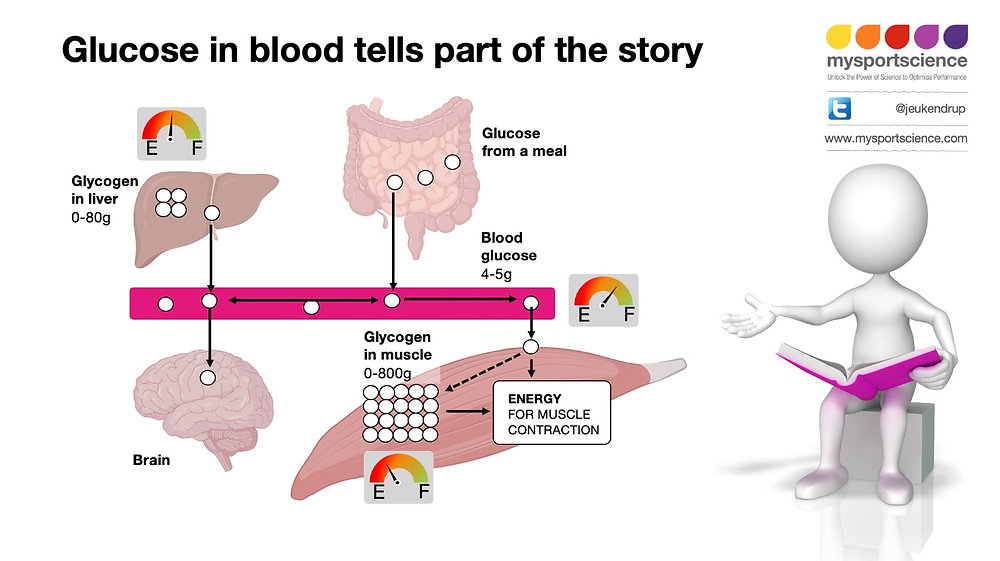
Can Continuous Glucose Monitoring (CGM) serve as a fuel gauge for athletes?
This article explores whether Continuous Glucose Monitoring (CGM) technology, now available to athletes, can serve as a reliable "fuel gauge
mssa.app·2d ago