
























How Memory Replay Lets Your Brain Mentally Time Travel and Strengthen Recall
By
Elizabeth Rayne
Summary
This article explores the neuroscience of memory replay — the brain's ability to mentally "time travel" by rewinding and replaying past experiences. It explains how the hippocampus encodes, consolidates, and rewrites memories through this replay mechanism, drawing parallels to rewinding a VCR or cassette tape. The piece delves into how memory replay strengthens recall, aids learning, and can even reshape or update existing memories over time.
Source

 Twitter / XHow Memory Replay Lets Your Brain Mentally Time Travel and Strengthen Recallpopular-mechanics.visitlink.me
Key quotes
· 3 pulledMemory replay is like the brain's version of rewinding a VCR.
The brain backtracks and replays an experience that had been 'encoded,' a mechanism that is necessary for recall.
Our brains are capable of something similar when it comes to replaying memories.
You might also wanna read


Neuroscience Research Reveals How the Brain Creates and Remembers 'Aha' Moments
Neuroscientists have discovered how the brain produces 'aha' moments or insights, revealing that these sudden realizations involve specific
 quantamagazine.org·7mo ago
Stress disrupts hippocampal integration of overlapping events, memory inference
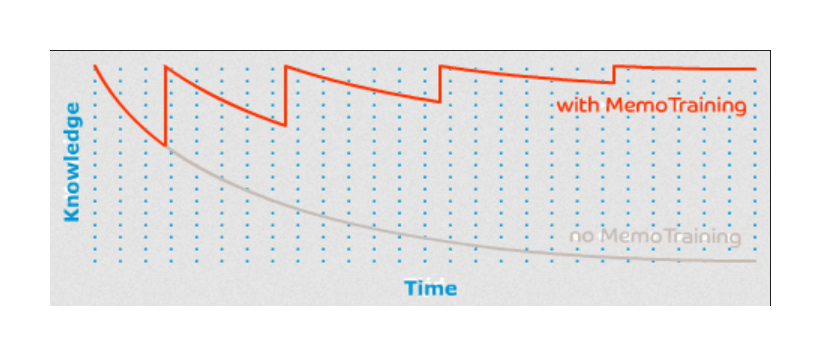
Spaced Repetition: An Evidence-Based Approach to Efficient Learning and Memory Retention
This article explores spaced repetition as a learning technique that leverages the spacing effect for efficient memorization. It discusses h
 gwern.net·6mo ago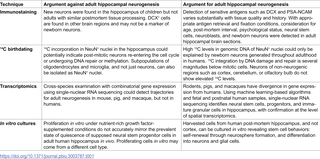
Moving beyond the debate: Harnessing hippocampal stem cells to combat cognitive aging
This Perspective article argues for moving beyond the debate about whether adult neurogenesis exists in the human hippocampus, and instead f
 plos.io·29d ago
Brain 'Flight Simulator' Model Reveals Learning Mechanisms and Mental Processing Errors
Researchers have developed a 'flight simulator' computer model for the brain that reveals how learning occurs and why mental processes somet
 now.tufts.edu·8mo ago
Virginia Tech Researchers Reverse Age-Related Memory Decline by Targeting Molecular Changes in Brain
Virginia Tech researchers conducted two studies on age-related memory decline, focusing on molecular changes in the brain. The first study e
 news.vt.edu·7mo ago
Comments
Sign in to join the conversation.
No comments yet. Be the first.