
























xql.systems: Building a SQL Query Layer for Zarr Multidimensional Array Data
xql.systems is an open-source project building a SQL query layer on top of Zarr, a format for chunked, compressed N-dimensional arrays. The goal is to enable declarative SQL querying of multidimensional array data stored in Zarr, bridging the gap between array computing and relational databases. The project hosts repositories on GitHub and invites community contributions via issues, pull requests, and Discord.
Key quotes
We're building a SQL layer on top of Zarr — bringing familiar, declarative SQL querying to multidimensional array data.
Zarr is a great format for chunked, compressed N-dimensional arrays, but querying it usually means writing imperative array code.
Our goal is to let you point SQL at Zarr stores and get back the data you want, with the array world and the relational world meeting in the middle.
From the article
You might also wanna read


Xorq: A Framework for Declarative ML Pipelines in Python and SQL
Xorq is a framework designed to simplify the process of cataloging, sharing, and shipping multi-engine compute for ML pipelines. It provides
 github.com·11mo ago
Myriade: A Self-Hosted AI Data Analyst for Plain English Database Queries
Myriade is an AI-powered data analyst tool that allows users to self-host and interact with their databases using plain English. It supports
 Product Hunt·11mo ago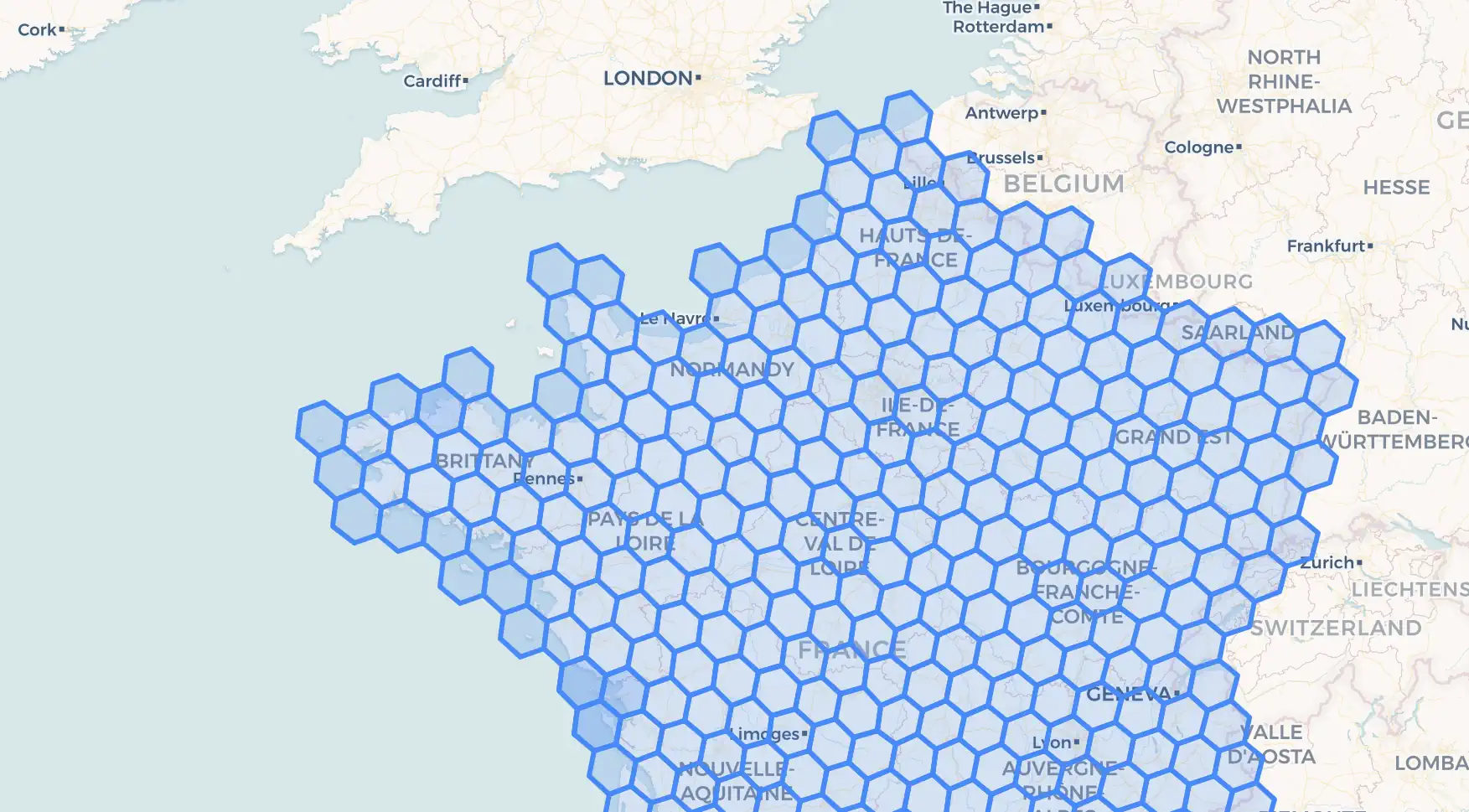
Optimizing Geospatial SQL Queries with H3 Indexes for 400× Performance Gains
The article explains how to dramatically speed up geospatial SQL queries (geo joins) using H3 indexes. It describes the performance problems
 floedb.ai·5mo ago
Building a Bitemporal Data System with SQLite and Clojure
This technical article describes building a bitemporal data system using SQLite and Clojure, inspired by concepts from accounting, Datomic,
 evalapply.org·10mo ago
Kore: A New High-Performance Columnar File Format for Big Data Analytics
Kore is a new high-performance binary file format for analytical workloads, claiming superior compression (38% vs 63% for Parquet), 131x que
github.com·1mo ago
Technical Discussion: Distributed SQL Engine Requirements for Ultra-Wide Tables in ML and Multi-Omics Data
A technical discussion about the limitations of current SQL databases and data processing systems when handling ultra-wide tables with thous
 news.ycombinator.com·5mo ago
Comments
Sign in to join the conversation.
No comments yet. Be the first.