
























Wormwood Forest A Natural History of Chernobyl
Final Book Now Available When a titanic explosion ripped through the Number Four reactor at the Chernobyl Nuclear Plant in 1986, spewing flames and chunks of burning, radioactive material into the…
Read the full articleYou might also wanna read

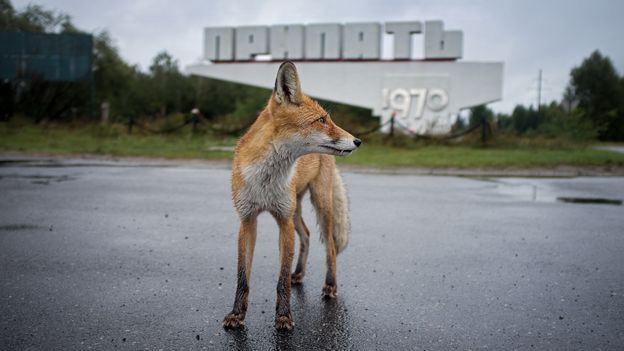
40 years after Chernobyl: How wildlife has adapted to life in the irradiated exclusion zone
It's 40 years since the Chernobyl disaster. This is what it has meant for wildlife living around the devastated nuclear power plant.
 bbc.com·2mo ago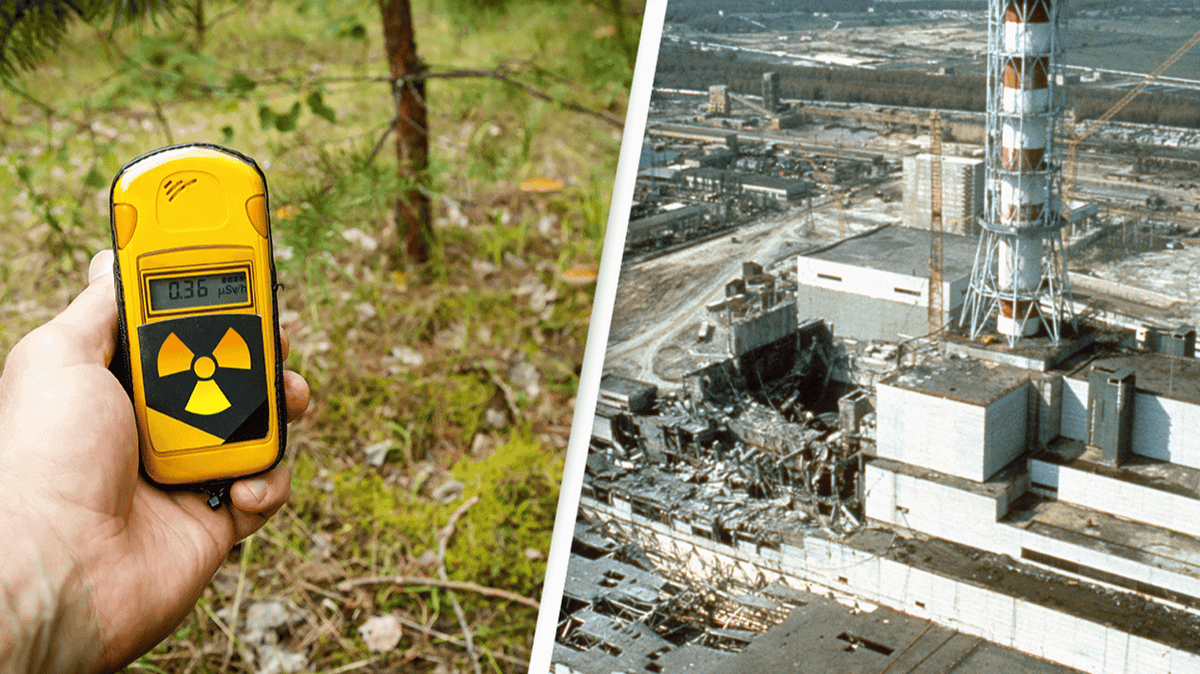
Fungus in Chernobyl Nuclear Zone Evolves to Convert Radiation into Energy
The fungus, which has been found on Chernobyl's Reactor 4, has adapted to convert gamma radiation into chemical energy.
 unilad.com·8mo ago
Chernobyl's Radiation-Eating Fungus Could Help Shield Space Travelers from Cosmic Rays
Mould found at the site of the Chernobyl nuclear disaster appears to be feeding off the radiation. Could we use it to shield space traveller
 bbc.com·7mo ago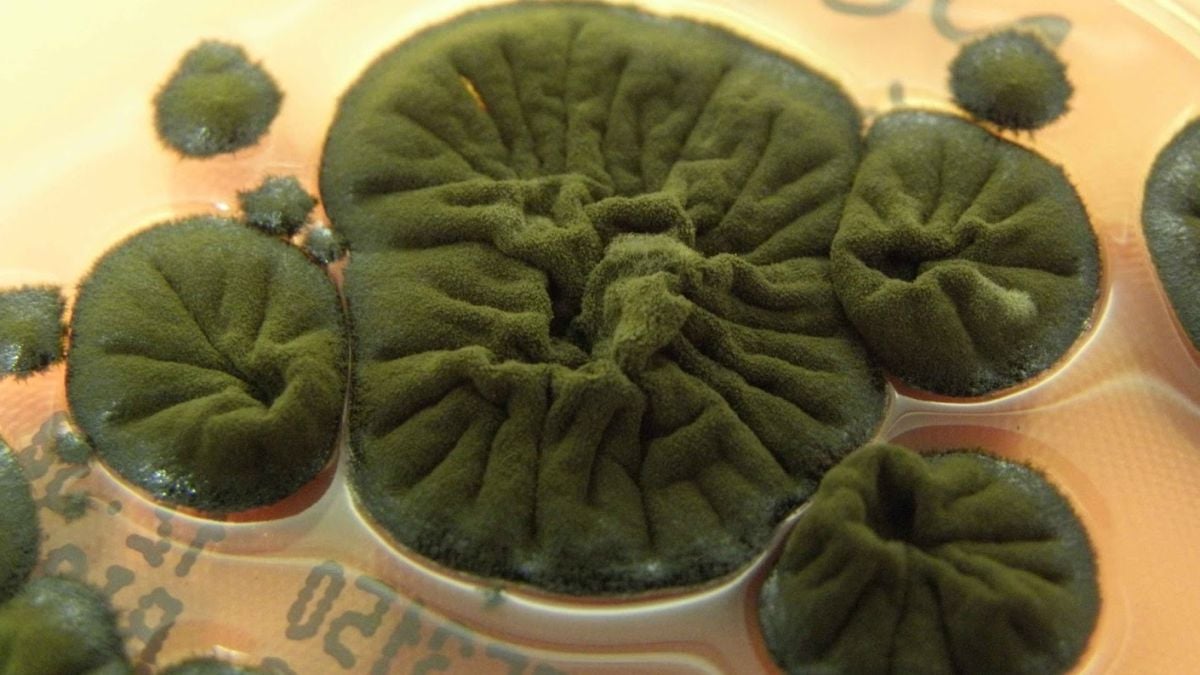
Radiation-Eating Fungus Discovered Inside Chernobyl Reactor Could Aid Space Travel
The Chernobyl exclusion zone may be off-limits to humans, but that doesn't mean every form of life finds the conditions inhospitable.
 sciencealert.com·3d ago
Chernobyl’s Wildlife Cameras Reveal How War Affects Wild Animals
A rare camera-trap study logged the effects of armed conflict on wild animals in real time.

Aux Bois noirs, Orano veut ensevelir l’héritage radioactif de son activité minière
À la fermeture de l’ancienne mine d’uranium, en 1980, près de 1,4 million de tonnes de déchets radioactifs ont été abandonnées sur le site,
 l.mediapart.fr·18d ago
Comments
Sign in to join the conversation.
No comments yet. Be the first.