
























Korean researchers develop faster, cheaper biochar production method using wet coffee grounds
By
Haley Zaremba
Summary
Researchers at the Korea Institute of Geoscience and Mineral Resources (KIGAM) have developed a new method to produce biochar from wet coffee grounds faster and cheaper by skipping the energy-intensive drying step. This innovation could help divert millions of tons of organic waste from landfills and turn it into a productive energy source, addressing the growing need for alternative energy solutions.
Source

 bskyKorean researchers develop faster, cheaper biochar production method using wet coffee groundsoilprice.com
Key quotes
· 3 pulledA team of researchers at the Korea Institute of Geoscience and Mineral Resources (KIGAM) have just found a way to make biochar production faster and cheaper.
The new method solves a major challenge in standard biochar production processes and potentially unlocks a recycling stream that can divert millions of tons of waste away from landfill annually.
Biochar is essentially charcoal that is made by heating up organic waste materials in an anaerobic environment.
You might also wanna read


How physics can help brew better coffee and reduce waste in a climate-threatened industry
This article explores how physics principles can be applied to coffee brewing to reduce waste and improve quality, especially as climate cha

Blast Studio Develops Cupsan Biomaterial from Recycled Coffee Cups
Blast Studio, a London design practice, has developed Cupsan - a new biomaterial made from discarded takeaway coffee cups. The material has
 Dezeen·8mo ago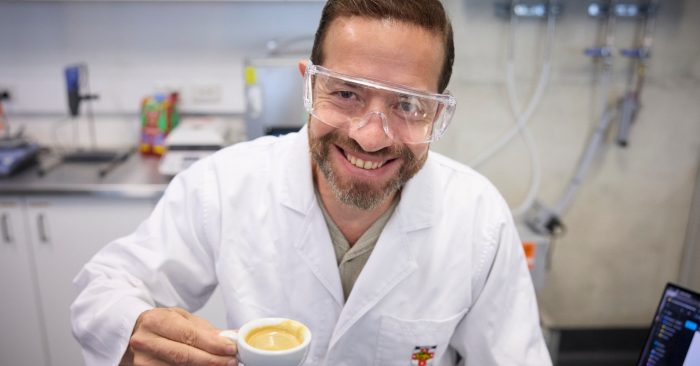
UNSW researchers develop ultrasonic espresso using room temperature water, cutting energy use by 75%
Researchers at UNSW Sydney have developed a new method for making espresso-strength coffee using ultrasonic sound waves and room temperature
 unsw.edu.au·10d ago
Singapore Company Flint Begins Production of Biodegradable Paper Battery
Singapore tech company Flint has announced production of a rechargeable 'paper battery' that biodegrades at the end of its life cycle. The t
Dezeen·5mo ago
Peerasin Punxh Hutapheat Develops Growink: A Sustainable Bio-Ink Using Fungal Pigments
Central Saint Martins graduate Peerasin Punxh Hutapheat has developed Growink, a bio-ink that replaces petroleum-based dyes with fungal pigm
Dezeen·10mo ago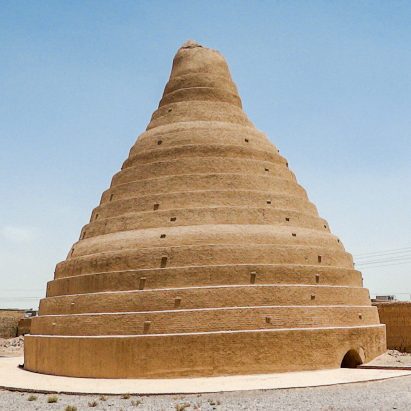
Eight Indigenous Water Management Technologies for Extreme Scenarios
Architect Julia Watson previews eight Indigenous technologies for water management from her upcoming book, showcasing traditional approaches
Dezeen·8mo ago
Comments
Sign in to join the conversation.
No comments yet. Be the first.