
























How physics can help brew better coffee and reduce waste in a climate-threatened industry
With climate change impacting the world’s coffee supplies, can physics help you reduce waste by brewing smarter? Michael Allen investigates
Read the full articleYou might also wanna read


Study models how high pressure makes espresso grounds behave unpredictably
WASHINGTON, June 23, 2026 — When a physics student asked baristas at the Warsaw Coffee Conference what their biggest question for scientists
 publishing.aip.org·20d ago
Daily briefing: How to brew a climate-friendly coffee
Nature, Published online: 30 June 2026; doi:10.1038/d41586-026-02076-5 Researchers are racing to safeguard coffee from climate change. Plus,

Coffee is under threat: how scientists are fighting to save it from extinction
Researchers are racing to save the engine of scientific discovery — coffee — from the effects of climate change and preserve the livelihoods
:max_bytes(150000):strip_icc():format(jpeg)/Wet-Coffee-Grounds-Turned-into-Fuel-FT-DGTL0726-01-13ba726b99e74bfca1063e1771e44a4d.jpg)
What If Your Coffee Grounds Could Power the Future?
New research suggests coffee waste could have a future beyond compost, with applications that include renewable fuel and carbon storage.
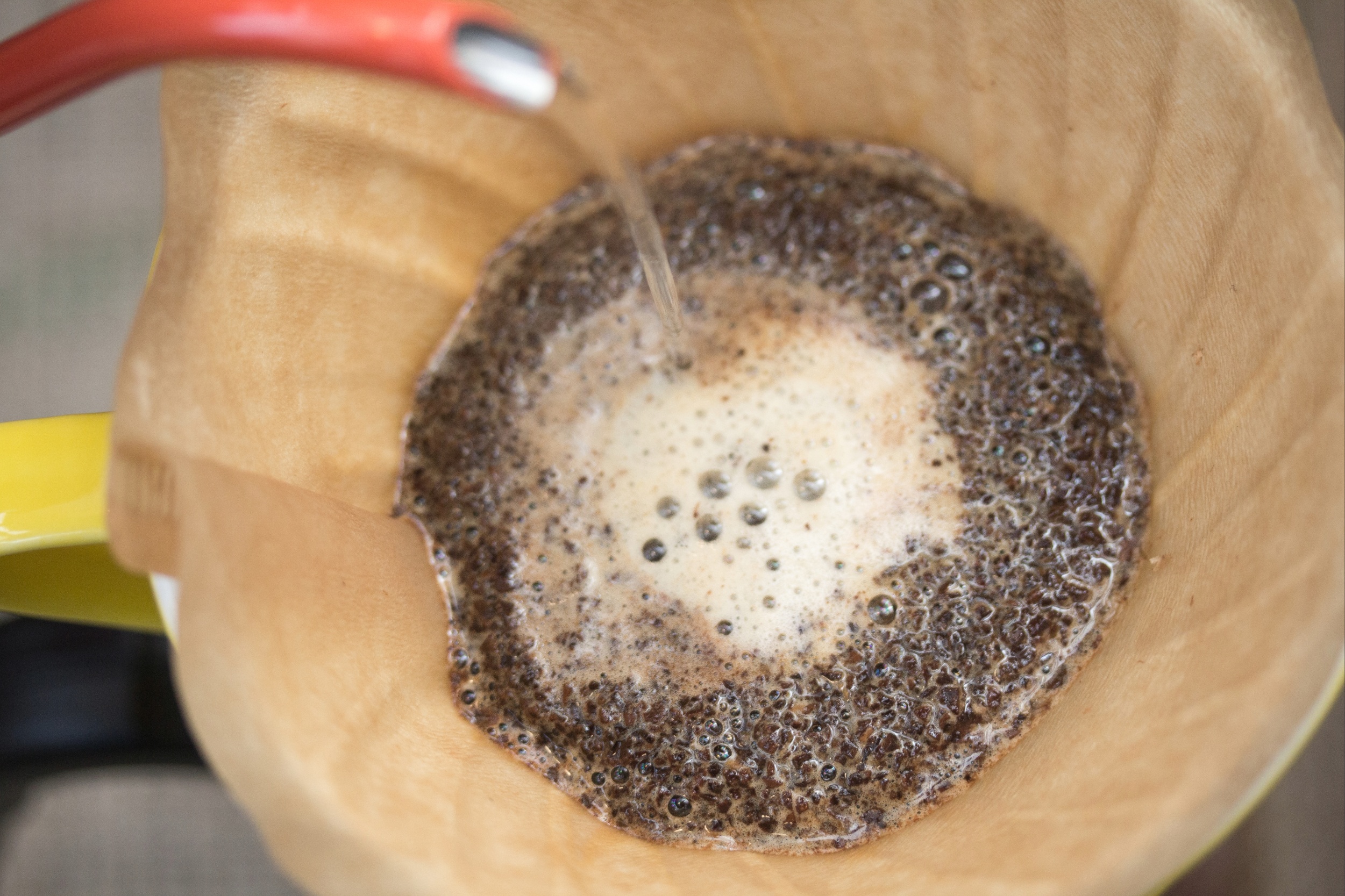
South Korean researchers develop 90-second method to turn coffee grounds into biochar fuel
A new technique transforms used coffee grounds into coal-like biochar in just 90 seconds, offering a cleaner way to recycle coffee waste.
 earth.com·14d ago
Korean researchers develop faster, cheaper biochar production method using wet coffee grounds
Korean researchers found a way to turn wet coffee grounds into cleaner, faster biochar, skipping the energy-intensive drying step entirely.
 oilprice.com·22d ago
Comments
Sign in to join the conversation.
No comments yet. Be the first.