
























From Yellowstone Hot Springs to Grocery Stores: NASA-Funded Microbe Becomes Vegan Protein Source
Summary
A NASA-funded geomicrobiologist discovered a microbe in Yellowstone National Park's acidic hot springs that thrives under extreme conditions. This microbe has been developed into a fungal protein used in vegan breakfast products like patties and cream cheese, now sold in grocery stores. The protein is also being studied by astronauts on the International Space Station as a potential food source for long-duration space missions, and is informing a project to bring sustainable fungal proteins to low- and moderate-income communities.
Source

 Twitter / XFrom Yellowstone Hot Springs to Grocery Stores: NASA-Funded Microbe Becomes Vegan Protein Sourcego.nasa.gov
Key quotes
· 5 pulledFirst, a particular type of microbe evolved in an acidic hot spring.
Fast-forward millions of years, when a geomicrobiologist finds this type of microbe in Yellowstone National Park while conducting NASA-funded research on organisms that thrive under extreme conditions.
Now you can buy a protein grown from the organism in grocery stores in the form of vegan breakfast patties and cream cheese.
It's also growing in space, where astronauts are studying it as a possible protein source for long-duration missions.
And it's informing a project to introduce sustainable fungal proteins to low- and moderate-income communities.
You might also wanna read

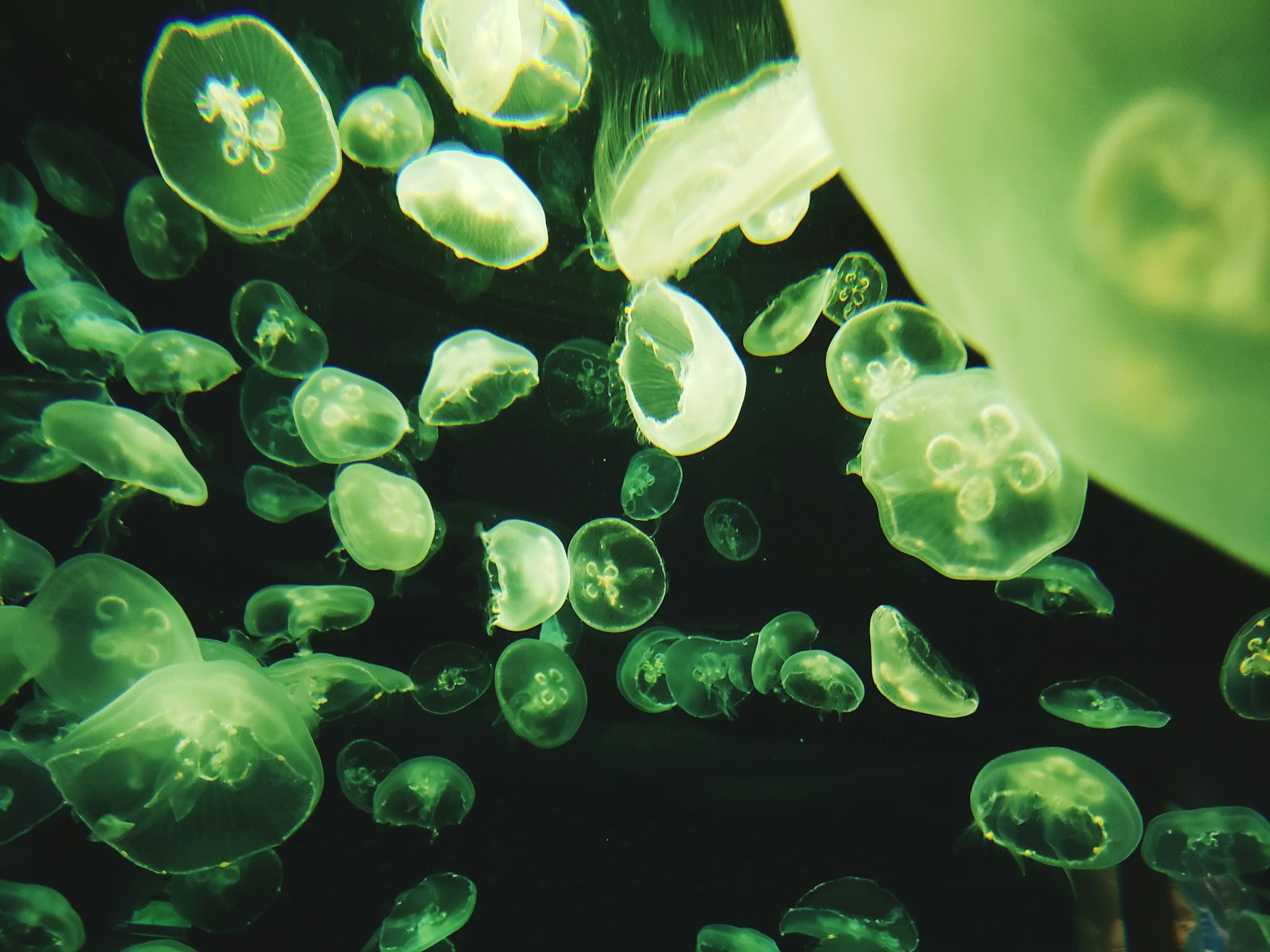
Microbe Chroococcidiopsis Shows Potential to Produce Oxygen from Martian Soil
Scientists have discovered that the extremophile microbe Chroococcidiopsis can grow on materials similar to Martian soil and produce oxygen,
 scienceclock.com·6mo ago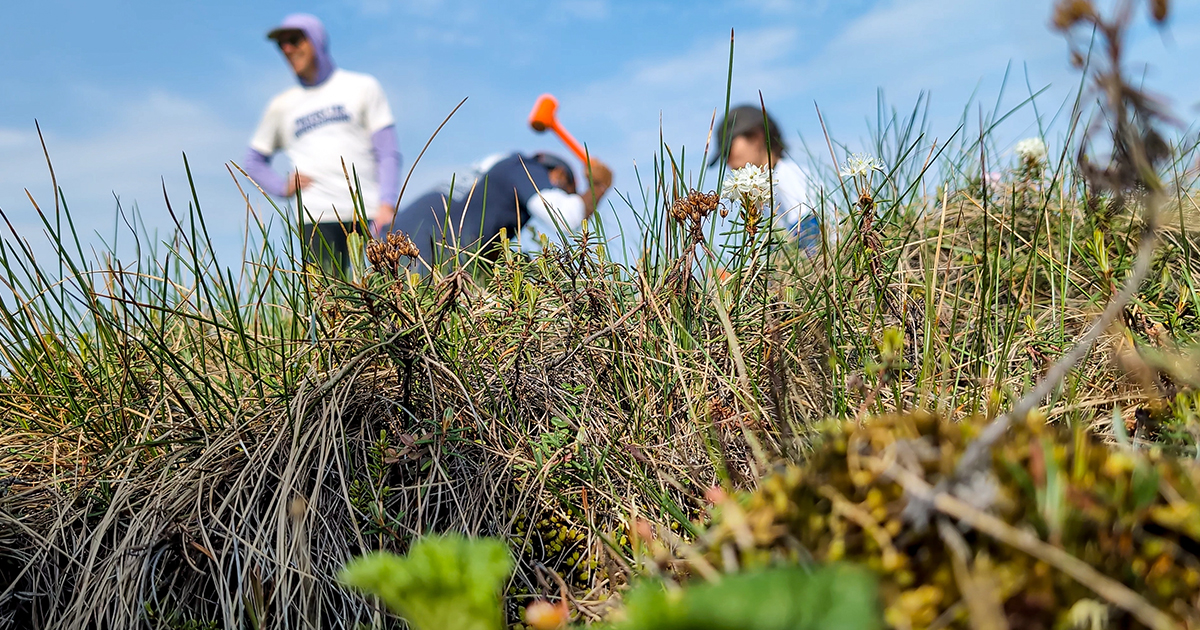
Arctic Research Expedition Studies Underground Fungal Networks and Carbon Storage
A team of biologists led by Michael Van Nuland embarks on an Arctic road trip along Alaska's Dalton Highway to study the critical undergroun
 quantamagazine.org·2mo ago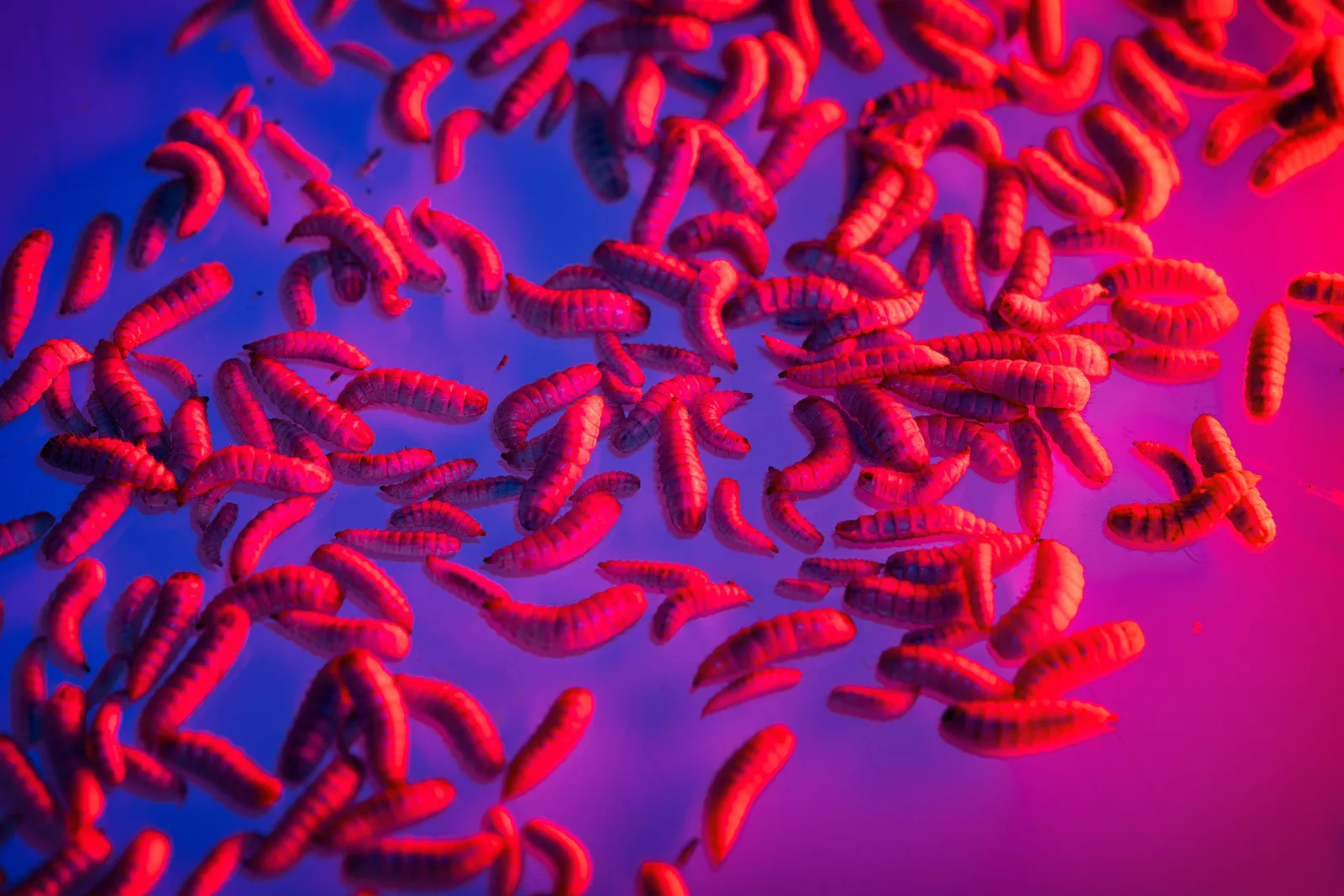
Black Soldier Fly Larvae: A Sustainable Protein Source with Potential for Human Consumption
The article explores black soldier fly larvae (maggots) as a highly efficient and sustainable protein source that could become a human super
 smithsonianmag.com·5mo ago
Study finds 2025-2030 US Dietary Guidelines increase environmental footprint through higher animal protein recommendations
This study analyzes the environmental impact of the 2025–2030 Dietary Guidelines for Americans, which recommend avoiding ultraprocessed food
 pnas.org·12d ago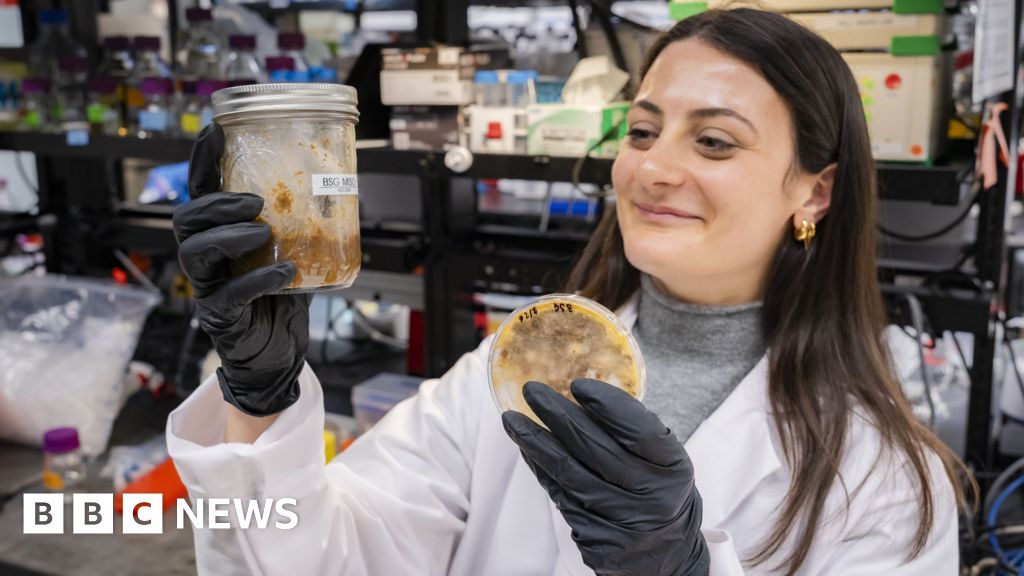
Stanford bioengineer uses fungal fermentation to turn food waste into cheese-like products
Stanford University bioengineer Vayu Hill-Maini is using fungal fermentation to transform food waste into valuable, tasty products like a ch
 bbc.com·25d ago
Microbial biospherics: A framework for studying closed ecosystem function and evolution
This article introduces a framework for "microbial biospherics" — the experimental study of matter-closed, energy-open ecosystems at a micro
pnas.org·26d ago
Comments
Sign in to join the conversation.
No comments yet. Be the first.