
























Autonomous agricultural machinery reaches U.S. farms after decades of development
By
Andy Castillo
Summary
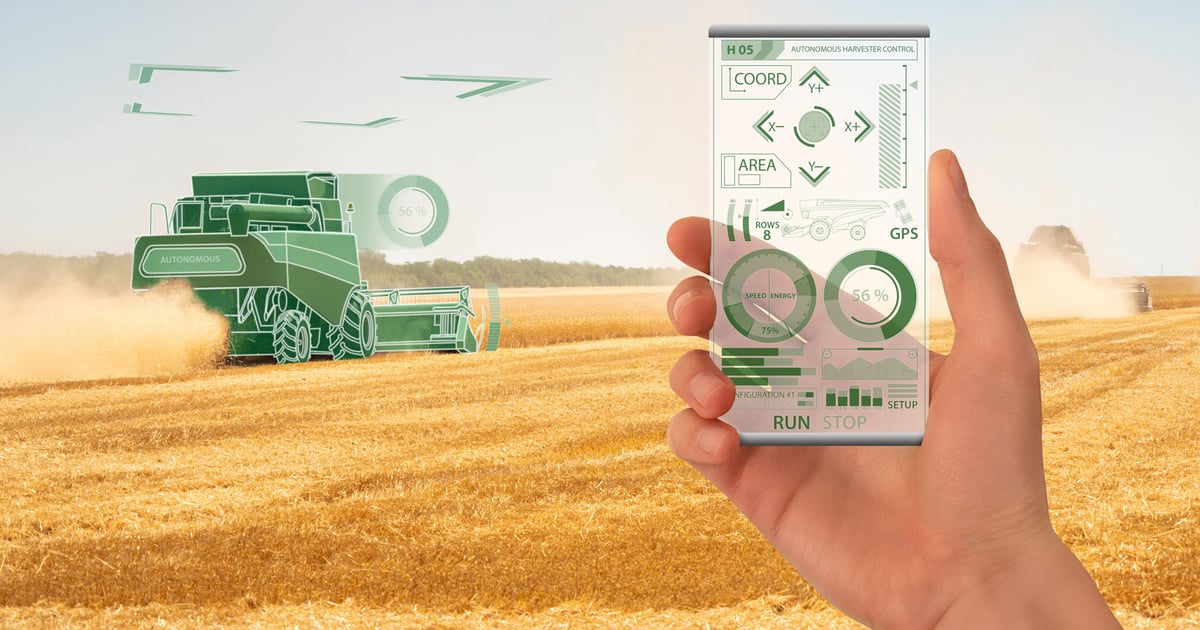
After 25 years of development, autonomous agricultural technology is finally being deployed on U.S. farms. The convergence of falling sensor costs, labor shortages, and proven technology from the mining industry — combined with advances in AI and machine learning — has made self-driving farm machinery economically viable for large-scale operations. The article features insights from Mel Torrie, founder of Autonomous Solutions Inc., who has been working on this technology for decades.
Source
 bskyAutonomous agricultural machinery reaches U.S. farms after decades of developmentfarmprogress.com
Key quotes
· 3 pulledI've been saying, 'It's next year,' for 25 years.
The technology has been ready for a while, but the economics are finally aligning.
Labor shortages have become so acute that farmers are now willing to adopt autonomous solutions they previously considered too expensive or unproven.
You might also wanna read

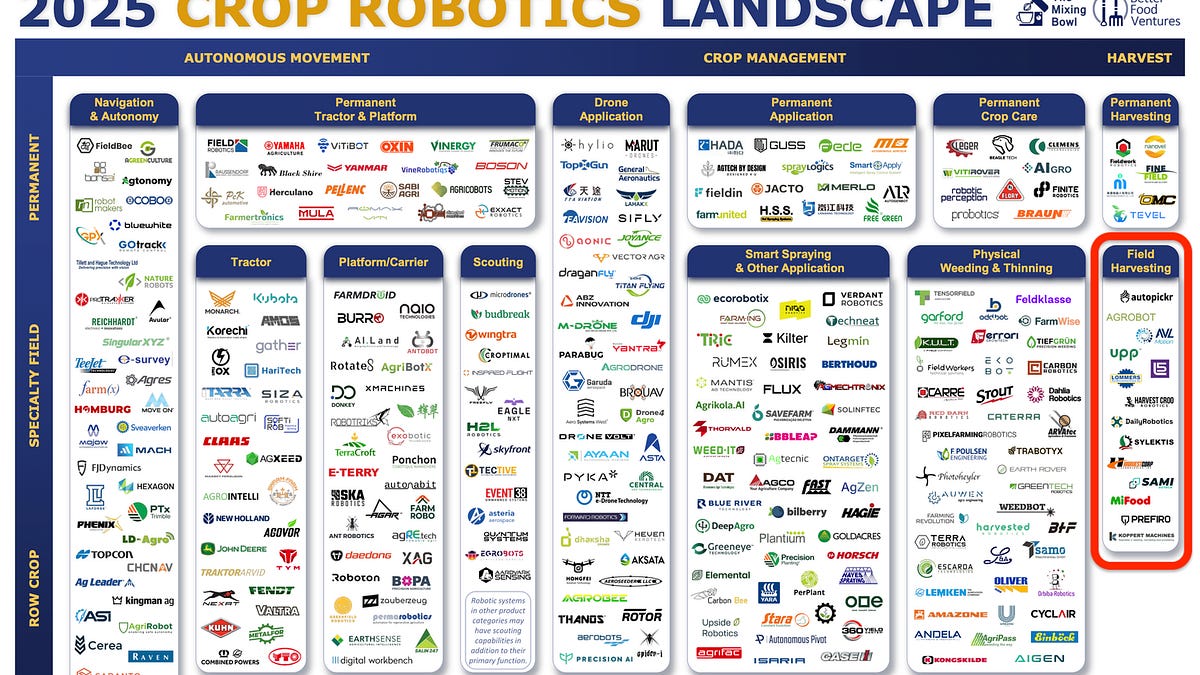
Agricultural Automation Challenges in Yuma: Reflections on Lettuce Harvesting and Labor
The article shares reflections from a visit to Yuma, Arizona's agricultural region, focusing on the challenges of automating lettuce harvest
 sftw.substack.com·5mo ago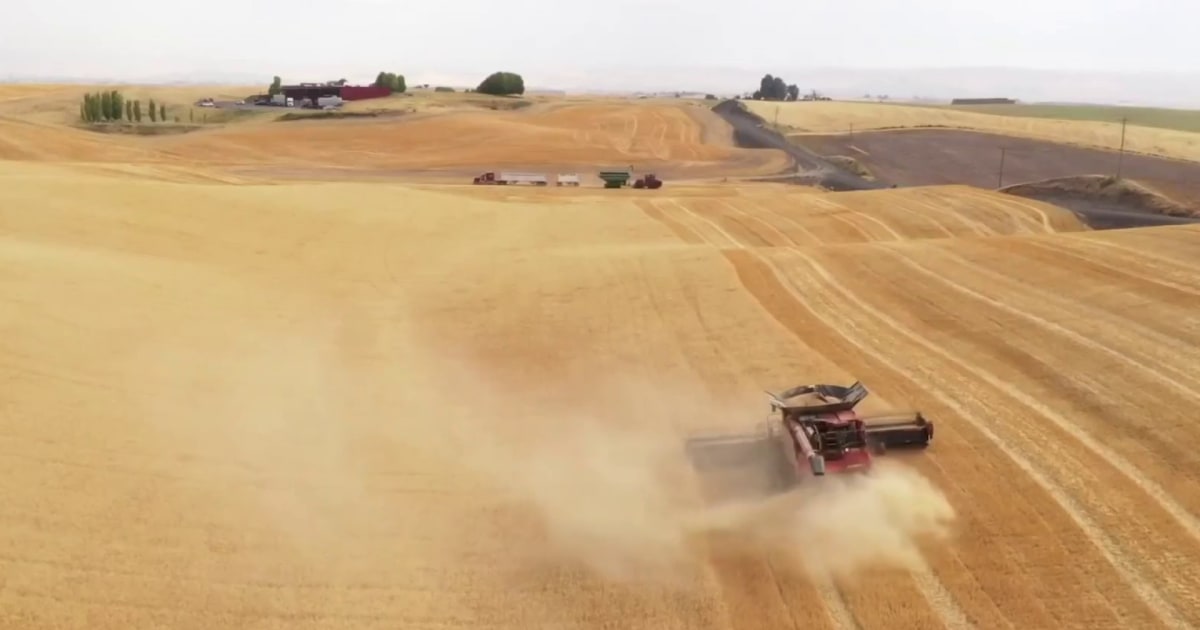
California farmers push to overturn ban on fully autonomous tractors
California's safety regulations currently require human operators to be present for autonomous farming equipment, banning fully self-operati
 nbcnews.com·10mo ago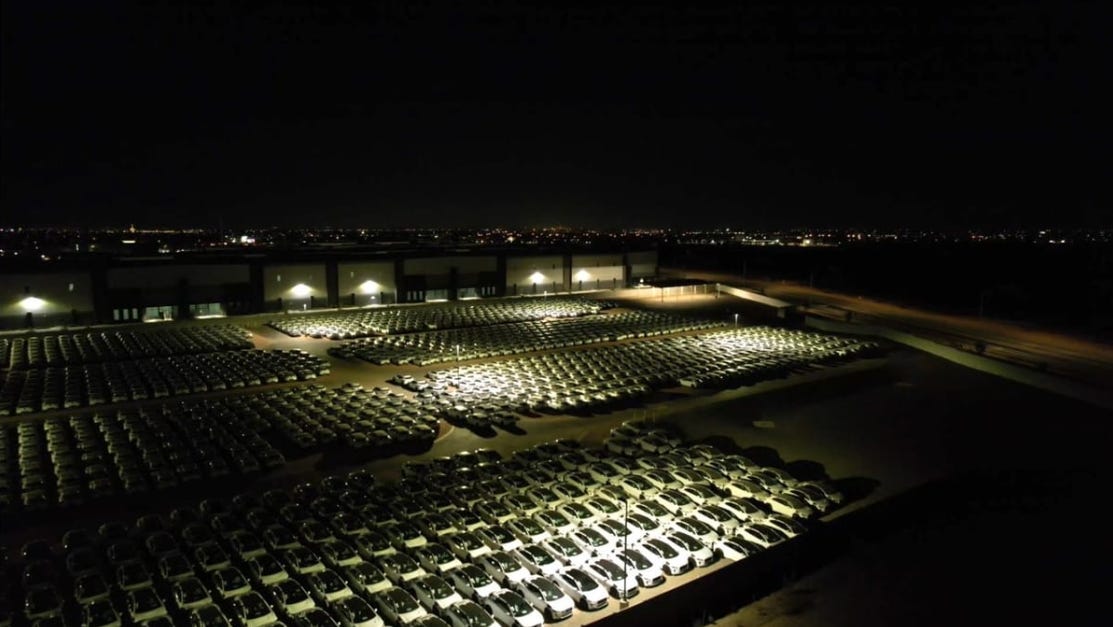
The Evolution of Autonomous Vehicles: From Overhyped Predictions to Practical Reality
The article examines the evolution of autonomous vehicle technology, contrasting early hype with current reality. It discusses how autonomou
 steelforfuel.substack.com·2mo ago
Beyond Autopilot, The Real-Time Safety Innovation Redefining Autonomous Drone Operations

Why Greenfield Robotics is Gaining Ground in Row Crops
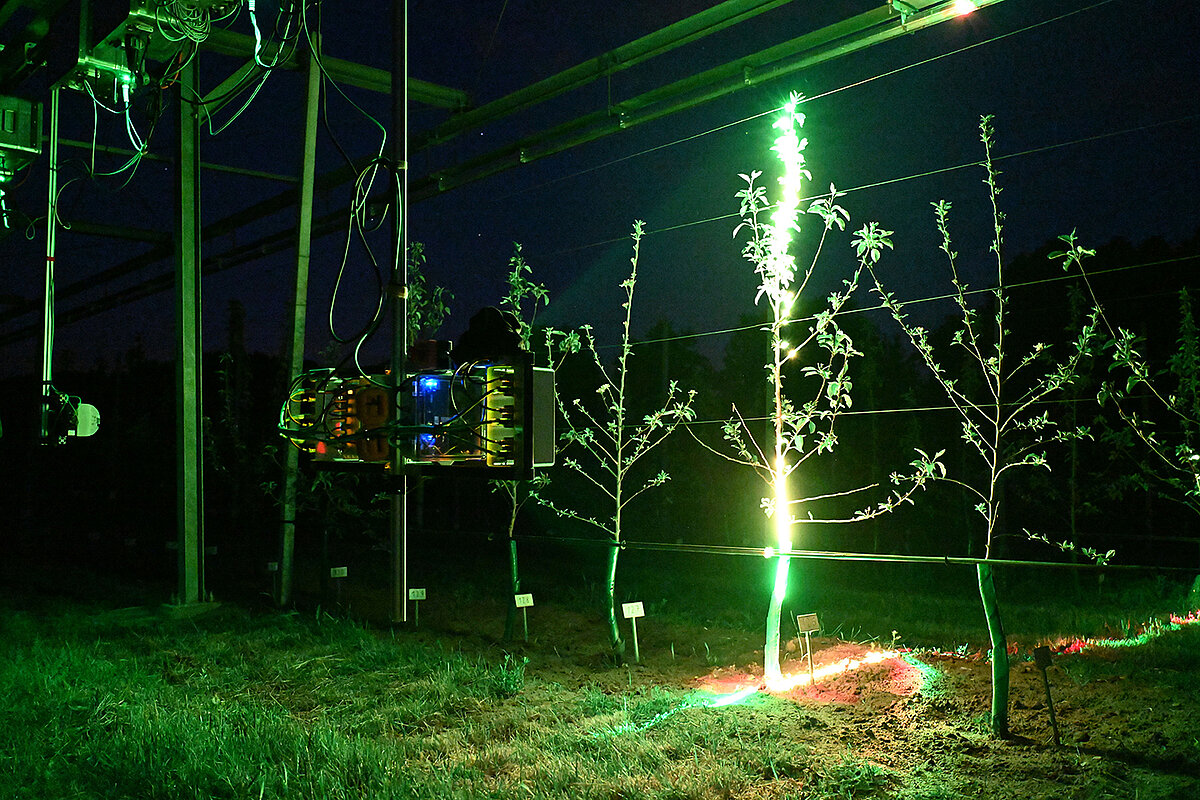
University of Würzburg Develops 3D Laser Scanner for Agricultural Harvesting Robots
Robotics engineers at the University of Würzburg have developed a 3D laser scanner system for precise plant analysis, aimed at improving har
 uni-wuerzburg.de·11mo ago
Comments
Sign in to join the conversation.
No comments yet. Be the first.