





















University of Würzburg Develops 3D Laser Scanner for Agricultural Harvesting Robots
By
PaulHoule

Properly proved. Has structure, has flavour, has a point.
Summary
Robotics engineers at the University of Würzburg have developed a 3D laser scanner system for precise plant analysis, aimed at improving harvesting robots for agricultural use. The technology addresses labor shortages in farming by automating the harvesting process for crops like strawberries, asparagus, and apples.
Key quotes
· 3 pulledRobotics engineers at the University of Würzburg have developed a novel 3D laser scanner system for precise plant analysis in the field.
Whether strawberries, asparagus or apples: when it comes to harvesting, skilled workers are often in short supply.
Many researchers are therefore working on harvesting robots that could provide welcome support to agricultural businesses in the future.
You might also wanna read

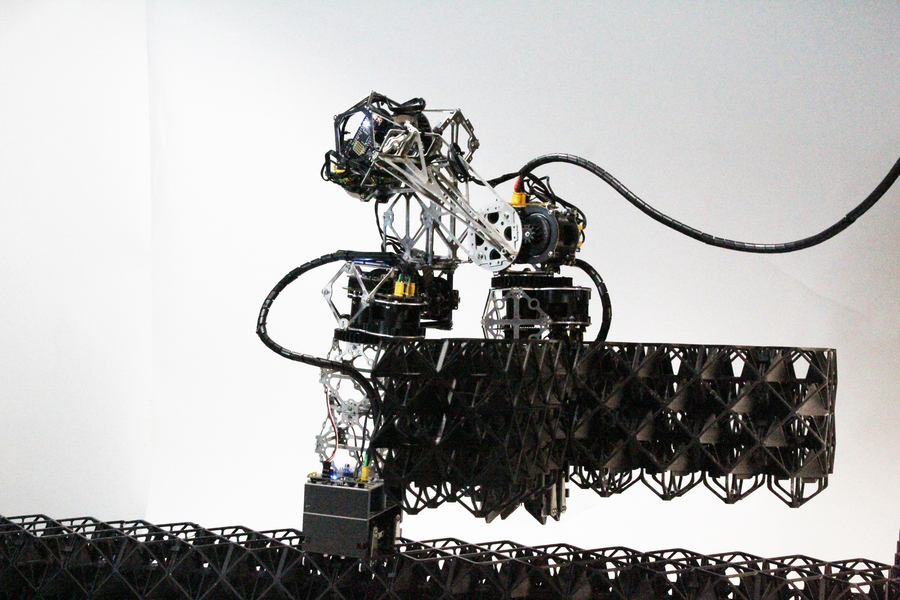
MIT researchers develop robotically assembled voxel building blocks for more sustainable construction
MIT researchers have developed robotically assembled building blocks called voxels that could make construction more efficient and sustainab
 robohub.org·12h ago
Robot Talk Episode 154: Visual Navigation in Insects and Robots – Interview with Andrew Philippides
Claire interviews Andrew Philippides, a Professor of Biorobotics at the University of Sussex, about how insights from insect navigation (ant
robohub.org·12h ago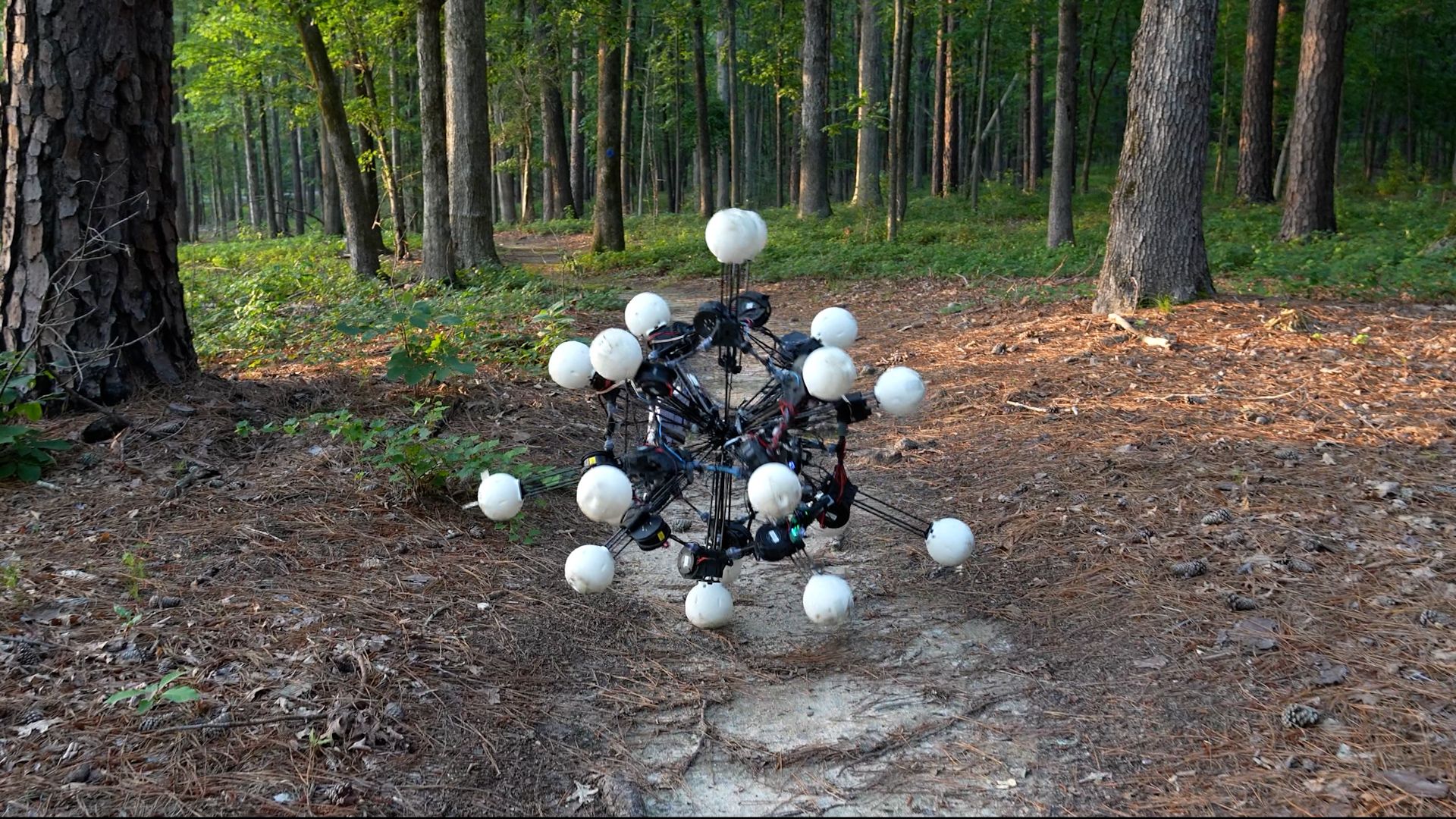
Sea-urchin-inspired robot with 20 legs scales walls and navigates trees
A sea-urchin-inspired robot with 20 legs has been developed by scientists, offering a new design blueprint for more versatile robots capable
 livescience.com·23h ago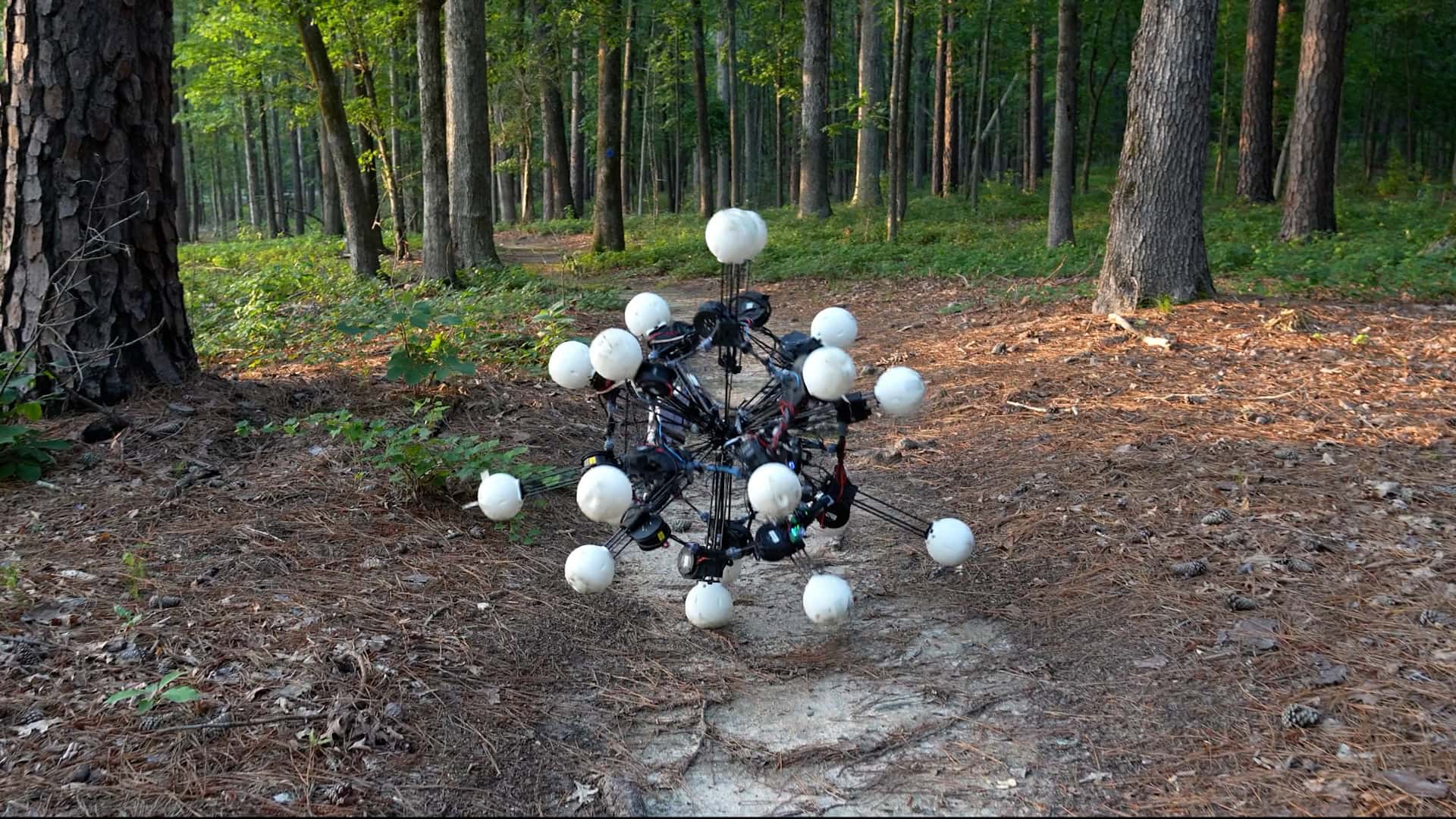
Duke University's 20-Legged Argus Robot Uses Mathematical Symmetry, Not Biology, for Novel Locomotion
Duke University researchers have developed Argus, a novel 20-legged robot that moves like a rolling, shuffling sphere rather than mimicking
 zmescience.com·1d ago
How AI World Models Are Bridging Simulation and Reality
This article explores the concept of "world models" in AI — where AI systems learn and practice tasks through simulated environments within
 noemamag.com·1d ago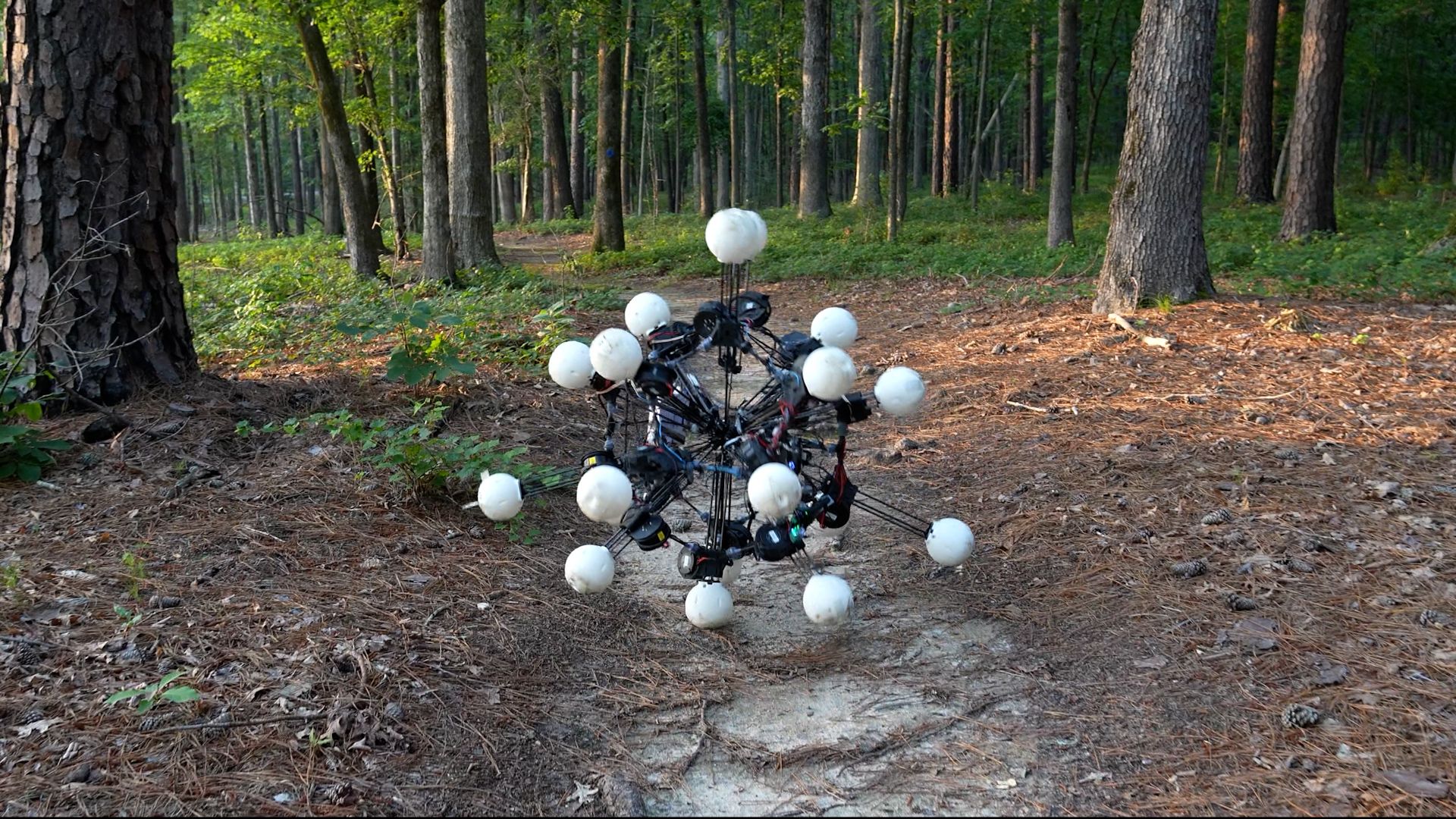
Sea-urchin-inspired robot with 20 legs scales walls and navigates trees
A sea-urchin-inspired robot with 20 legs has been developed by scientists, offering a new design blueprint for more versatile robots capable
share.google·2d ago