
























Study finds angiosperm reproductive diversification predated the end-Cretaceous extinction
By
Cindy V. Looy
Summary
This article presents a scientific study on angiosperm (flowering plant) reproductive evolution, challenging the traditional view that links it primarily to the end-Cretaceous extinction event. The researchers report diverse and unexpectedly large diaspores (seed dispersal units) that predate the Cretaceous-Paleogene boundary, suggesting that diversification of reproductive strategies in angiosperms occurred before the mass extinction, not as a direct consequence of it. The study provides fossil evidence that reshapes understanding of plant evolutionary history.
Source

 Twitter / XStudy finds angiosperm reproductive diversification predated the end-Cretaceous extinctionscim.ag
Key quotes
· 2 pulledAngiosperm reproductive evolution is traditionally linked to the end-Cretaceous biotic crisis and subsequent ecological restructuring.
Here, we report diverse and unexpectedly large diaspores (disp...
You might also wanna read


New fossils upend catastrophist narrative that flowering plants flourished only after dinosaur extinction
Among Flowering Plants, Thousands of Evolutionary Oddities at Risk of Extinction

Evolutionary Research Reveals Species Diversify Through Sudden Bursts Rather Than Gradual Change
New evolutionary research reveals that species evolution occurs through sudden bursts of rapid change immediately after lineage splits, rath
 quantamagazine.org·10mo ago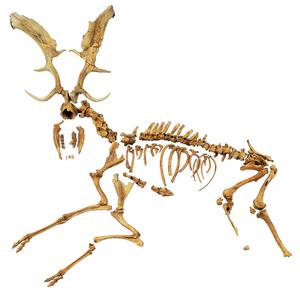
120,000-year-old fossils reveal dramatic genetic diversity loss in European fallow deer
Researchers analyzed 120,000-year-old fallow deer fossils from the Neumark-Nord site in central Germany, revealing that modern fallow deer p

Reproductive flexibility and pollinator coupling in the carnivorous plant Utricularia damazioi from campos rupestres ecosystems
This study investigates the reproductive flexibility and plant-pollinator coupling in Utricularia damazioi, a carnivorous plant species foun
 doi.org·23d ago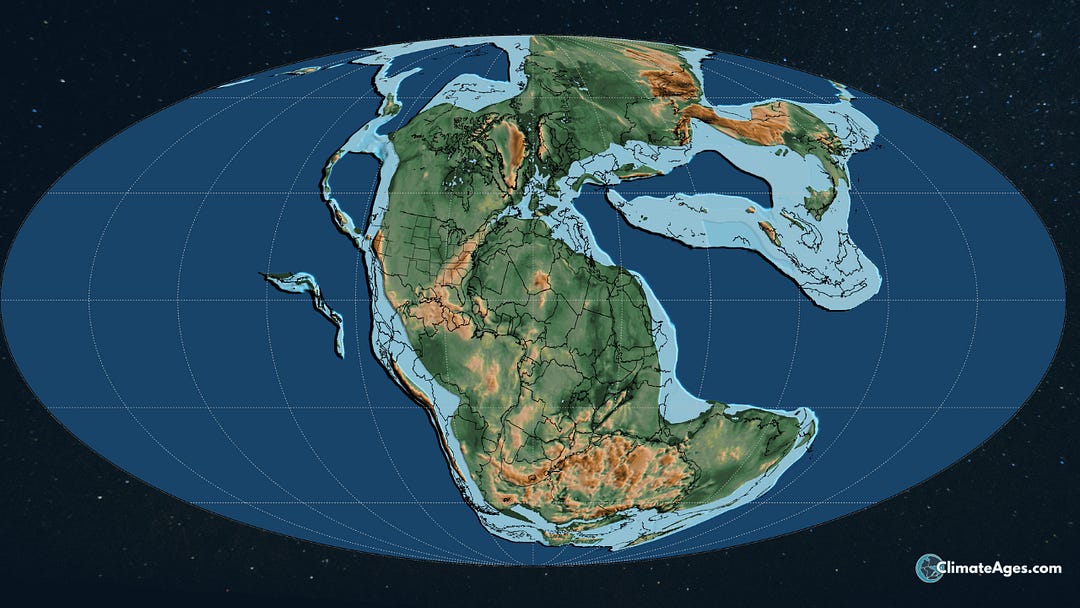
New evidence suggests ocean changes preceded the end-Triassic mass extinction by millions of years
New evidence suggests that the end-Triassic mass extinction (201 million years ago), which paved the way for dinosaurs to become dominant, m
 climateages.substack.com·1mo ago
Comments
Sign in to join the conversation.
No comments yet. Be the first.