
























The hidden toll of smell loss: How anosmia signals deeper brain health issues
By
Knowable Magazine
Summary
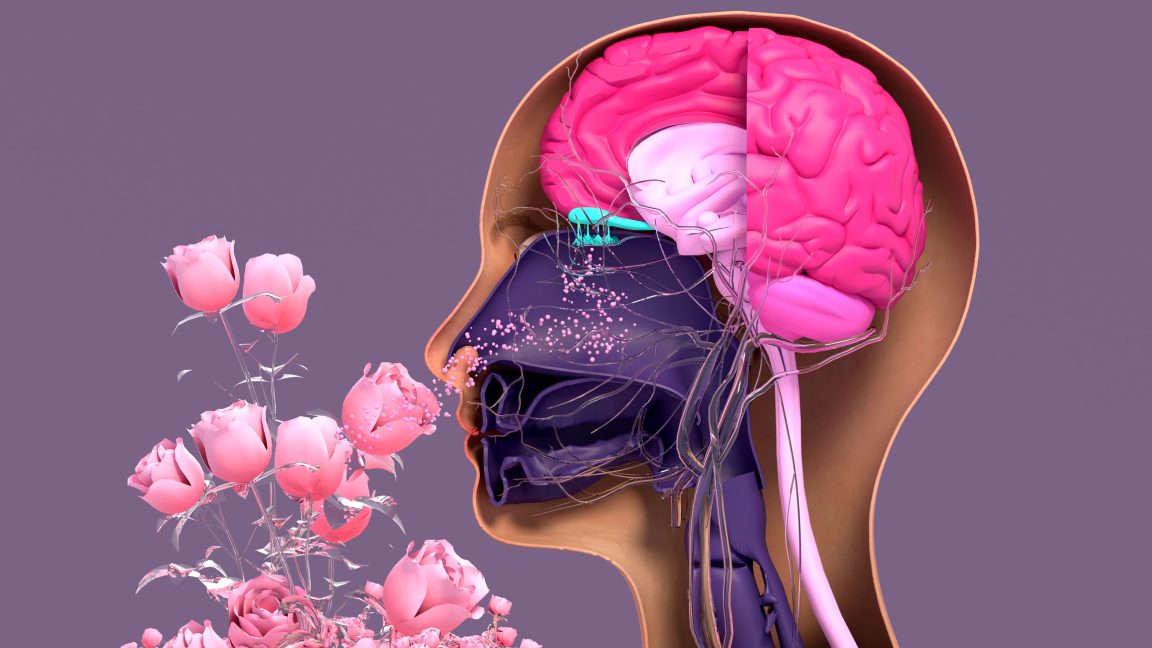
Chrissi Kelly lost her sense of smell 14 years ago after a viral infection and was told by doctors she'd have to learn to live with it. The article explores anosmia (smell loss), its profound impact on quality of life, and the emerging scientific understanding that disturbances in the sense of smell are often linked to brain health issues, including early signs of neurodegenerative diseases like Parkinson's and Alzheimer's.
Source
 Ars TechnicaThe hidden toll of smell loss: How anosmia signals deeper brain health issuesarstechnica.com
Key quotes
· 3 pulledAfter [losing her sense of smell], for her, the loss was catastrophic.
She was diagnosed with anosmia (smell loss), and like many patients with her condition, was told she'd have to learn to live with it.
Disturbances in this critical sense are often linked to problems with brain health.
You might also wanna read


Olfactory Enrichment and Its Potential Role in Preventing Memory Loss in Alzheimer's Disease
This article discusses the potential of "smell therapy" or olfactory enrichment as a method to prevent memory loss, particularly in the cont
 amenclinics.com·12d ago
Why Scent Is the Missing Sense in Artificial Intelligence
This article explores the overlooked dimension of AI development: the sense of smell. While AI has made remarkable strides in vision, langua
 noemamag.com·1d ago
The Neurological Effects of Air Pollution: How Pollutants Impact Brain Health
This article explores the emerging scientific understanding of how air pollution affects brain health, moving beyond the traditional focus o
 neurofrontiers.blog·9mo ago
What the Air You Breathe May Be Doing to Your Brain

How menopause fundamentally reshapes the brain and its long-term implications for women's health
Menopause triggers profound brain changes akin to a "home renovation," far more dramatic than previously understood. These neurological shif
 newscientist.com·9d ago
Living with Nonfluent Aphasia: A Personal Journey After Stroke
A personal narrative about living with nonfluent aphasia after a severe stroke at age 21. The article follows Faye's experience over two dec
 thereader.mitpress.mit.edu·4mo ago
Comments
Sign in to join the conversation.
No comments yet. Be the first.