
























When to throw away leftovers: the science of food spoilage and refrigeration
By
TechnologyWhy battery-powered vehicles stack up better than hydrogenTechnologyTechnology
Summary
This article explains the science behind food spoilage and food safety, focusing on how temperature controls microbial growth. It covers how bacteria and fungi multiply on food, the risks of disease-causing microbes like Salmonella and E. coli, and the importance of refrigeration in preventing foodborne illness. The piece notes that dangerous microbes can grow to harmful levels even before food shows visible signs of spoilage.
Source
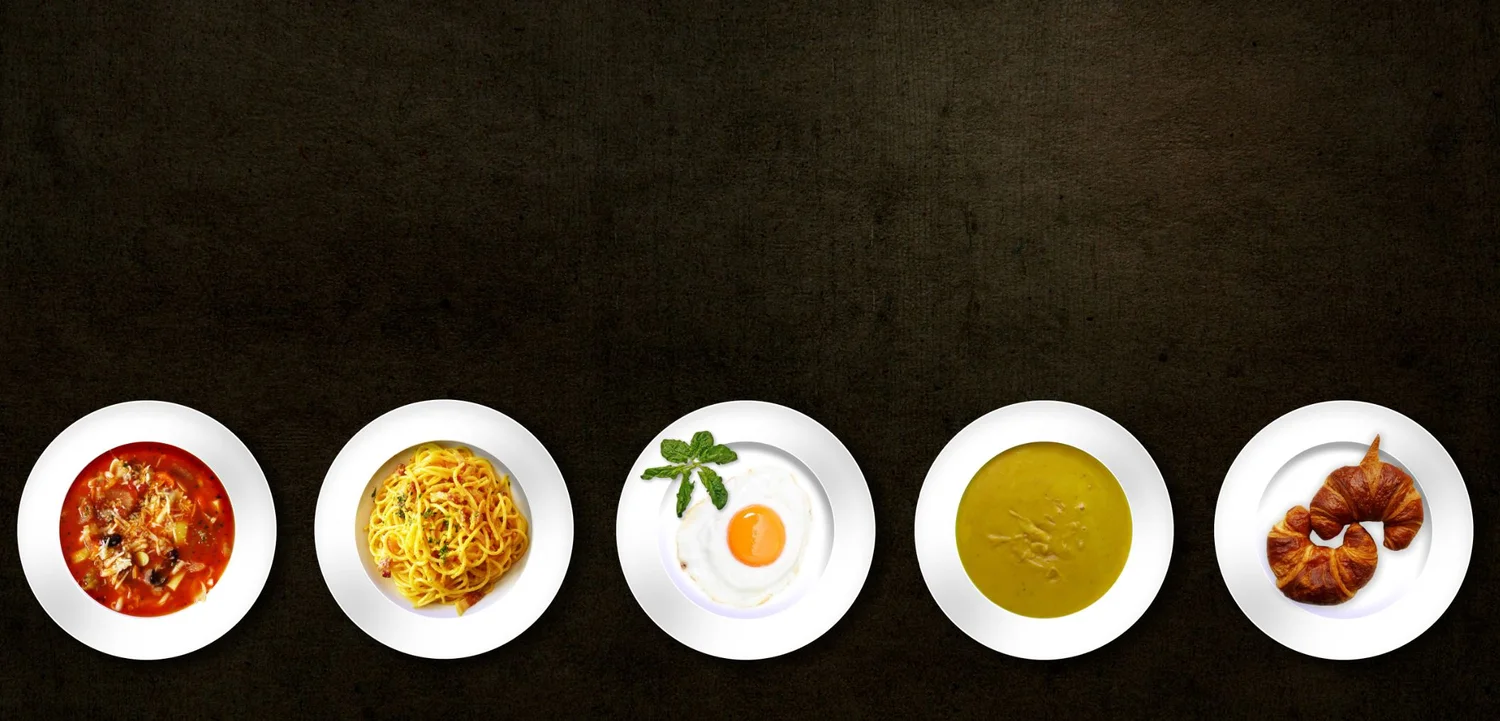
 Twitter / XWhen to throw away leftovers: the science of food spoilage and refrigerationuniversal-sci.com
Key quotes
· 3 pulledJust as we find food wholesome, bacteria and fungi also enjoy the nutritional benefits of foods.
Most disease-causing microbes can grow to dangerous levels even before the food is noticeably spoiled without changing the smell, taste or appearance of the food.
Refrigeration is the most important invention in the history of food.
You might also wanna read

The Persistent Threat of Listeria in Soft Cheeses: A Public Health Overview
This article discusses the public health risks associated with Listeria monocytogenes in soft cheeses. It explains that unlike most foodborn
 foodpoisoningnews.com·19d ago
Scientists explore cold plasma and high-pressure tech to improve food safety amid rising outbreaks
The article discusses the growing concern over foodborne disease outbreaks, citing recent incidents with romaine lettuce, raw oysters, and G
 knowmag.org·18d ago
When to rescue aging food and when to throw it out: A nutritionist's guide to reducing waste and saving money
A nutritionist explains how to safely rescue aging foods like brown bananas, wilted vegetables, and stale bread to reduce food waste and sav
 the-14.com·23d ago
A new strategy can improve safety in poultry processing
Medieval Food Preservation: Salt, Smoke, and Cellars Before Refrigeration
This article explores how medieval societies preserved food before refrigeration, detailing techniques such as salting, smoking, drying, fer
 brewminate.com·15d ago
What Ultra-Processed Foods Really Contain: A Look Inside Modern Food Engineering
The article examines how modern food has shifted from whole, natural ingredients to engineered products designed for shelf stability, long-d
 buff.ly·14d ago
Comments
Sign in to join the conversation.
No comments yet. Be the first.