





















Scientists explore cold plasma and high-pressure tech to improve food safety amid rising outbreaks
By
Wudan Yan

Baker's choice. Dense with flavour, light on filler.
Summary
The article discusses the growing concern over foodborne disease outbreaks, citing recent incidents with romaine lettuce, raw oysters, and Goldfish crackers. It explores how scientists are turning to emerging technologies like cold plasma and high-pressure processing to improve food safety and reduce contamination risks in the food supply chain.
Key quotes
· 3 pulledNearly every month, it seems, comes a new report.
At first blush, lettuce, oysters and Goldfish might not seem that similar — but they and a host of other foods...
Cold plasma and high-pressure systems might help reduce the risks.
You might also wanna read

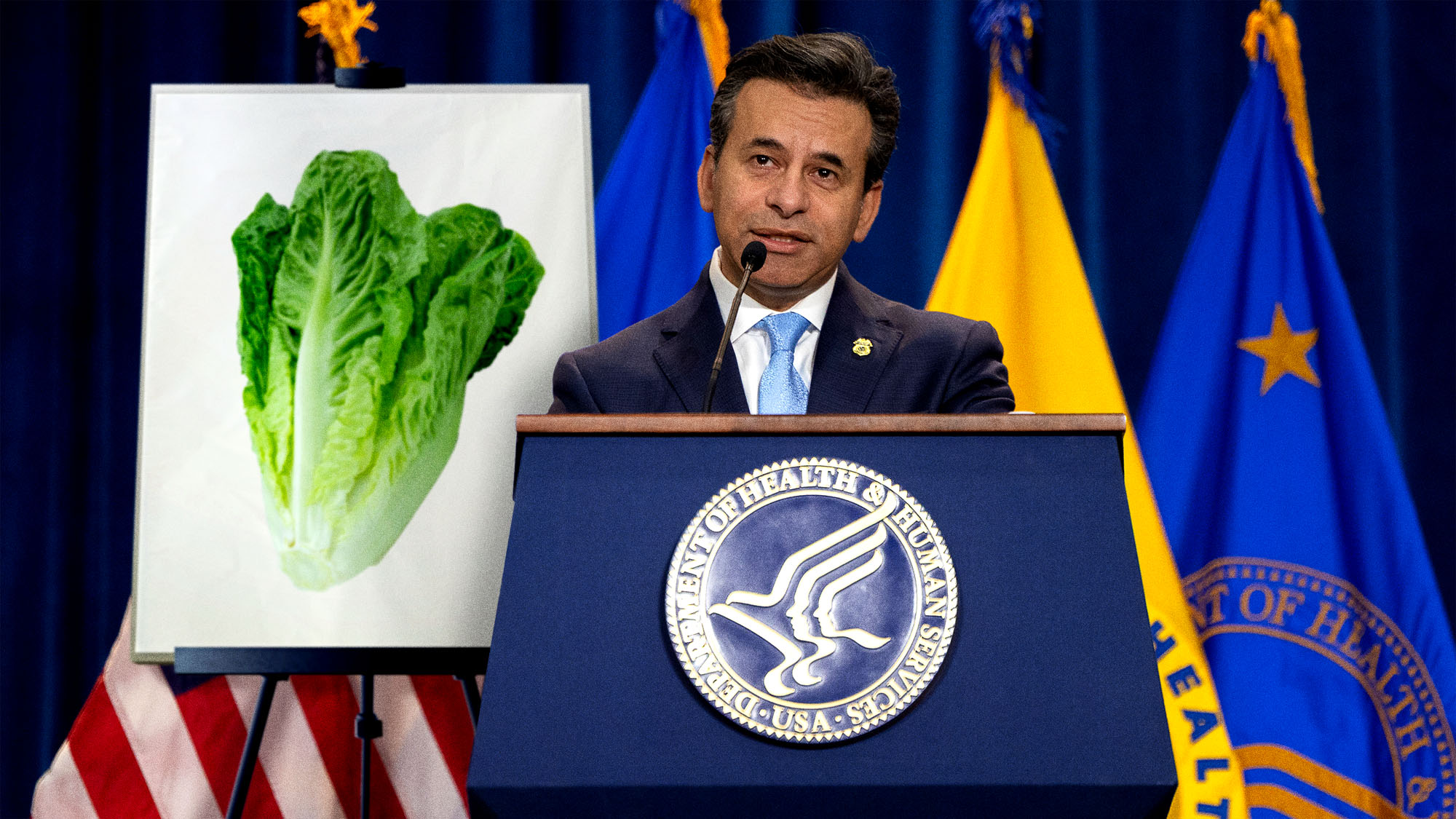
FDA Approves Remotely Detonatable Lettuce for Contamination Control
The FDA has approved a new type of romaine lettuce that can be remotely detonated in the event of contamination or recall. According to FDA
 The Onion·2mo ago
The Rise and Health Impact of Ultraprocessed Foods in America
This article examines how ultraprocessed foods became dominant in the American diet despite their significant health risks. It traces the hi
 nytimes.com·7mo ago
How Ultraprocessed Food Engineering Drives Compulsive Consumption and Diet-Related Disease Epidemics
The article examines how ultraprocessed foods (UPFs) are engineered by industry to maximize consumption and profitability, drawing parallels
 onlinelibrary.wiley.com·4mo ago
From Waterborne to Airborne Disease Prevention: How Germicidal UV Could Transform Public Health
The article discusses the historical context of typhoid fever outbreaks in the United States (1860s-1920) that killed over 300,000 Americans
 worksinprogress.news·8mo ago
Radioactive Contamination in Shrimp Traced to Indonesian Steel Manufacturer
Indonesian authorities have traced radioactive contamination in shrimp and spices to a steel manufacturer, Peter Metal Technology (PMT), in
 consumerreports.org·7mo ago
How Climate Change Is Spreading Dangerous Microbes and Pathogens
This article examines how climate change is accelerating the spread of dangerous pathogens, including "flesh-eating" bacteria and emerging i
 newyorker.com·12d ago