
























How Ultraprocessed Food Engineering Drives Compulsive Consumption and Diet-Related Disease Epidemics
Policy Points Ultraprocessed foods (UPFs) are engineered to heighten reward and accelerate delivery of reinforcing ingredients, driving compulsive consumption and disrupting appetite regulation. ...
Read the full articleYou might also wanna read


The War on Ultra-Processed Foods: Scientific Scrutiny or Moral Panic?
Does the war on “ultra-processed foods” make any sense?
 theatlantic.com·23d ago
The War on Ultra-Processed Foods: Scientific Scrutiny or Moral Panic?
Does the war on “ultra-processed foods” make any sense?
theatlantic.com·23d ago
The War on Ultra-Processed Foods: Scientific Debate or Moral Panic?
Does the war on “ultra-processed foods” make any sense?
theatlantic.com·11d agoUltra-Processed or Ultra-Addictive? A Demand-Based Redefinition of Ultra-Processed Foods
Ultra-processed foods now comprise the majority of the U.S. food supply and have been directly associated with 32 chronic diseases including

Commentary examines controversies and health evidence behind ultra-processed foods debate
🚩Ultraprocessed food research and scientific discourse #NatureFood 🚩Rethinking ultra-processed foods: Controversies, health evidence, and
 the-innovation.org·28d ago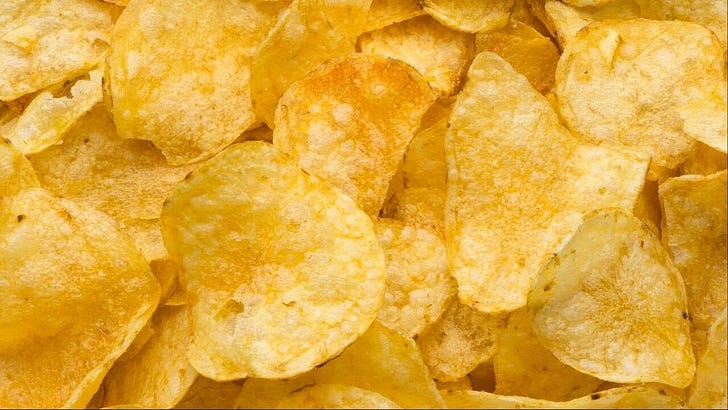
Studies Link Ultra-Processed Foods to Public Health Crisis on Par with Tobacco, Often Made by Same Companies
Philip Morris used cigarette science to build Lunchables. Ultra-processed foods hijack the same brain circuits as addictive drugs. A new stu
 celinegounder.com·1mo ago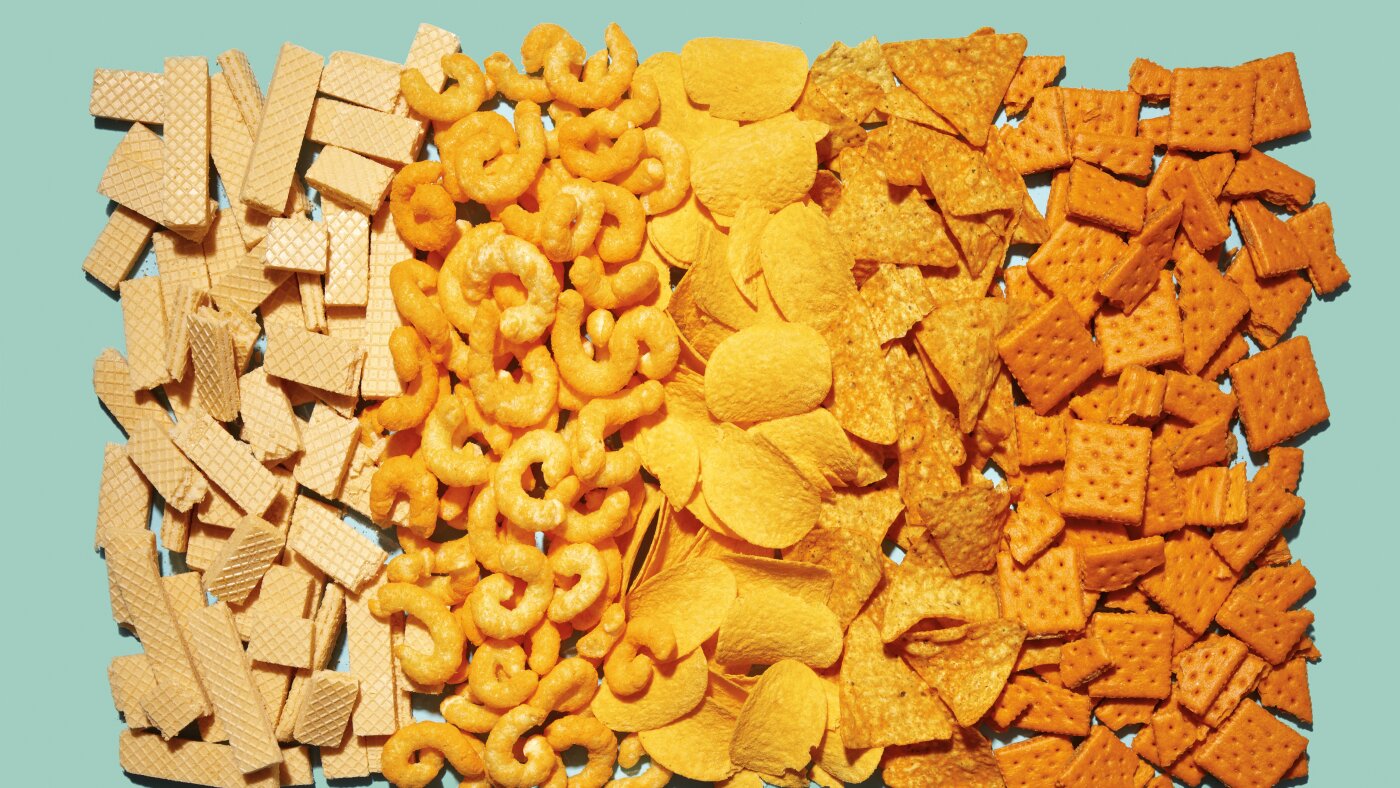
Study reveals tobacco companies applied cigarette marketing strategies to ultra-processed foods
Research published in the American Journal of Public Health details the connection between ultra-processed foods and the tobacco industry wh
 npr.org·1mo ago
Comments
Sign in to join the conversation.
No comments yet. Be the first.