





















From Waterborne to Airborne Disease Prevention: How Germicidal UV Could Transform Public Health
By
venkii

Pulled from the oven just right. Trustworthy, fact-dense, deeply satisfying.
Summary
The article discusses the historical context of typhoid fever outbreaks in the United States (1860s-1920) that killed over 300,000 Americans due to contaminated water systems in rapidly growing urban areas. It then transitions to explore how germicidal ultraviolet technology could potentially make airborne diseases as rare as waterborne diseases have become through modern sanitation. The piece appears to connect historical public health challenges with contemporary technological solutions for disease prevention.
Key quotes
· 3 pulledBetween the 1860s and 1920, successive outbreaks of typhoid fever killed over 300,000 Americans
American cities began to dump sewage in the same rivers that provided their drinking water
Germicidal ultraviolet could make airborne disease as rare as those carried by water
You might also wanna read

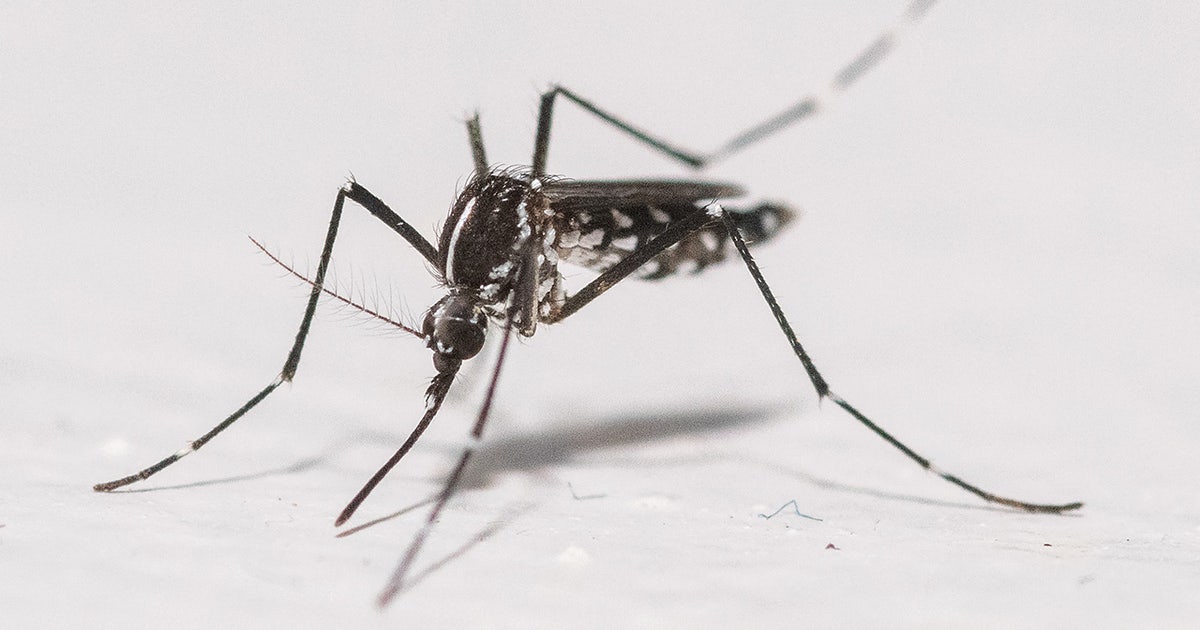
Google's Debug program seeks EPA permit to release 64 million modified mosquitoes in California and Florida
Google's Debug program plans to release up to 64 million genetically modified "good" mosquitoes in California and Florida over two years. Th
 bit.ly·2h ago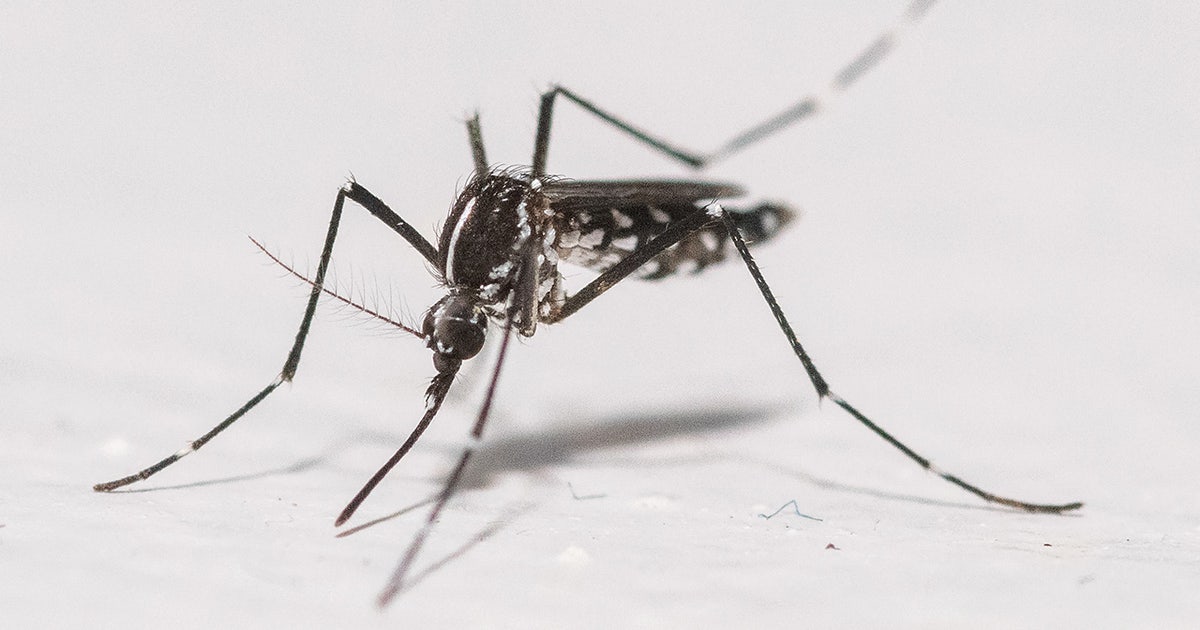
Google's Debug program seeks EPA approval to release 64 million modified mosquitoes in California and Florida
Google's Debug program plans to release up to 64 million genetically modified "good" mosquitoes in California and Florida over two years to
 bit.ly·5h ago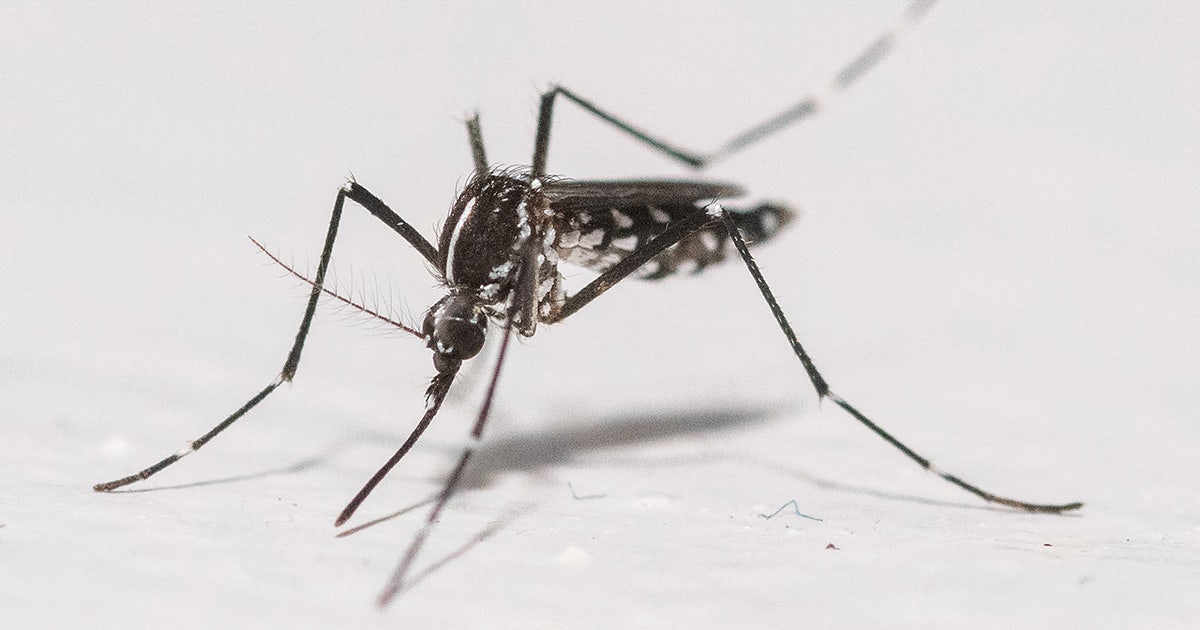
Google's Debug program seeks EPA permit to release 64 million modified mosquitoes in California and Florida
Google's Debug program plans to release up to 64 million genetically modified "good" mosquitoes in California and Florida over two years to
 bit.ly·13h ago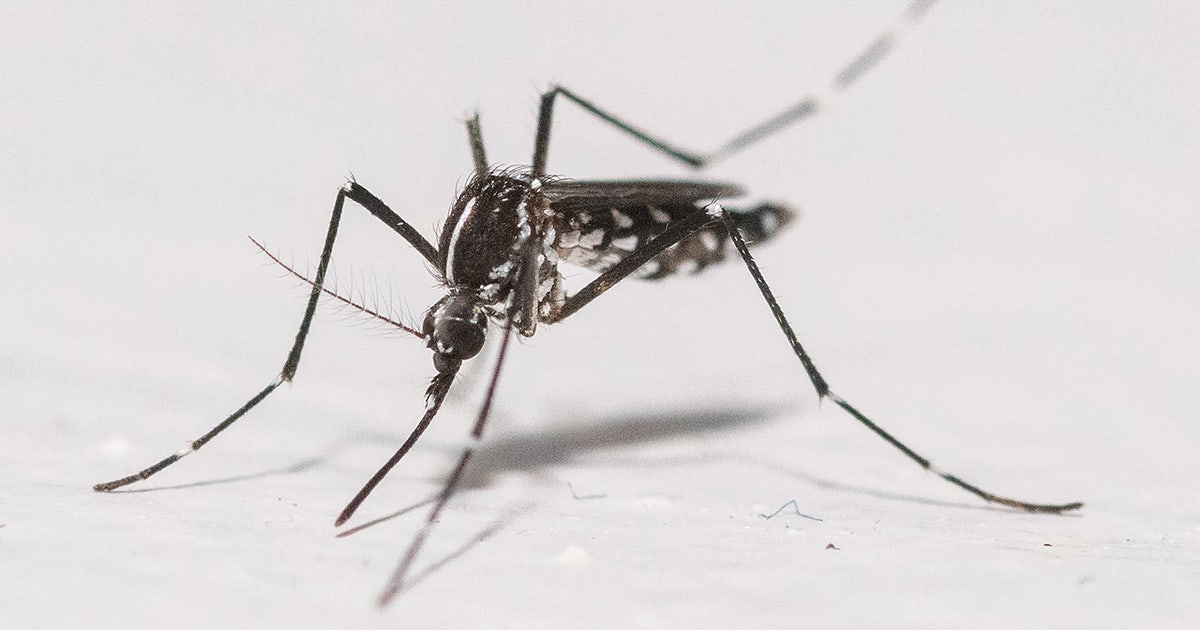
Google's Debug program seeks EPA approval to release 64 million modified mosquitoes in California and Florida
Google's Debug program plans to release up to 64 million genetically modified "good" mosquitoes in California and Florida over two years. Th
 fox35orlando.com·14h ago
Edible electronic sensors could enable safe internal medical monitoring
Researchers in Belgium and the Netherlands have developed edible electronic components—including wireless transmitters, microchips, batterie
 econ.st·22h ago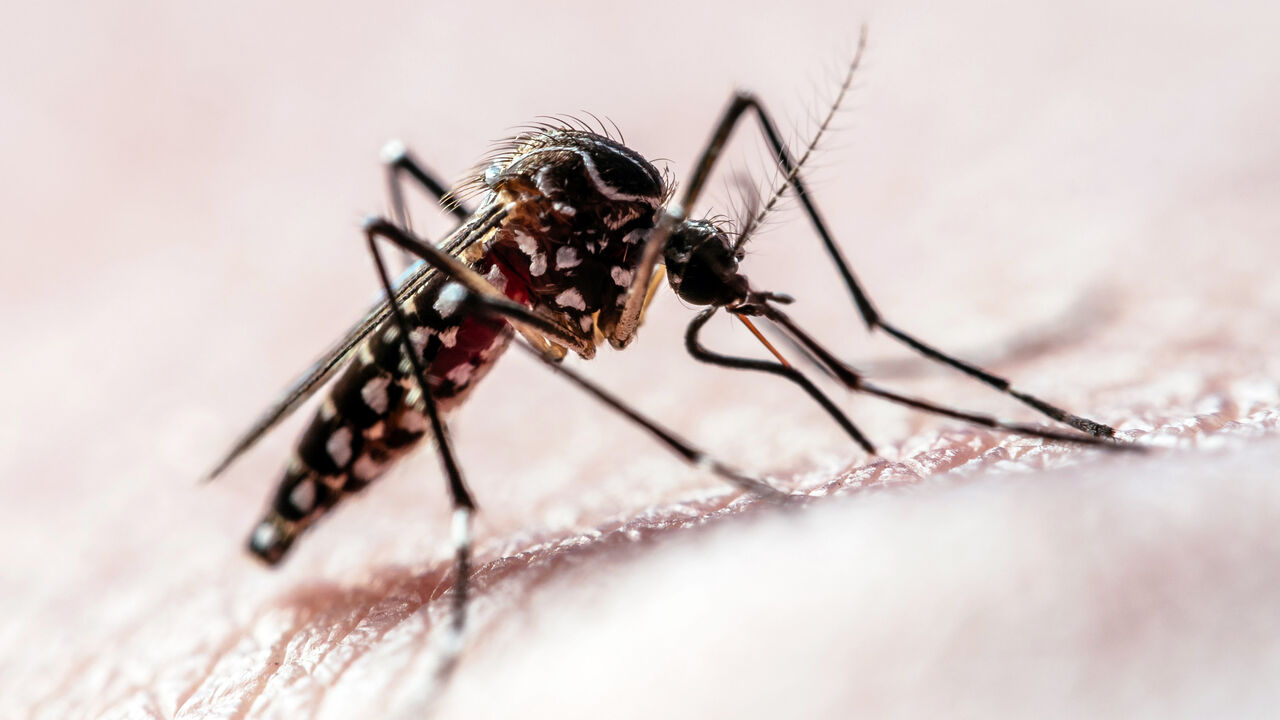
Some mosquitoes may be overcoming their aversion to DEET repellent
DEET, the gold standard mosquito repellent, works largely because mosquitoes find it unpleasant. However, new research suggests some mosquit
 economist.com·3d ago