
























Leaf vein structures help grassland plants adapt to increasing aridity, study finds
Summary
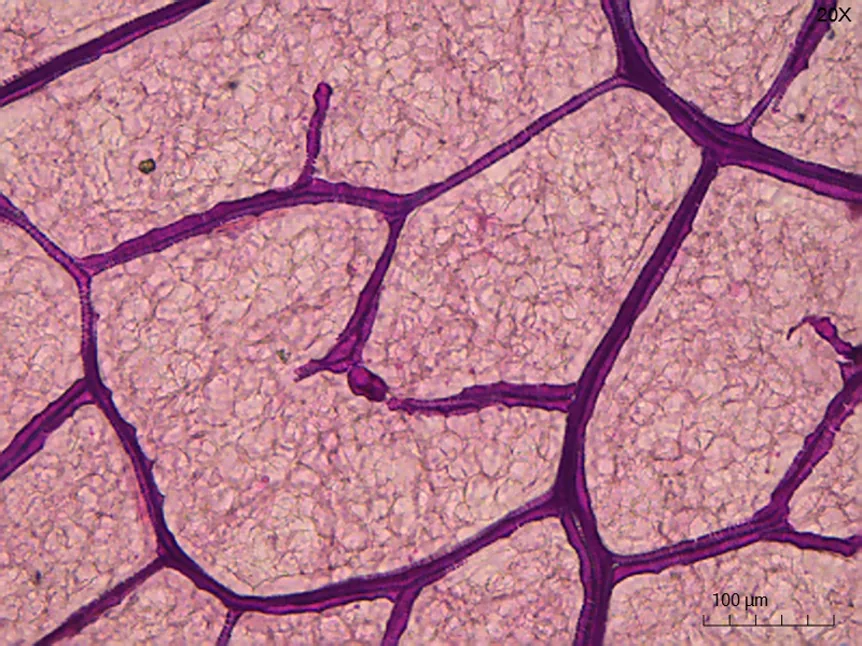
This plain language summary of a Functional Ecology research article explains how leaf veins (the "pipes" inside leaves) help grassland plants adapt to increasing aridity caused by global warming. The research examines how these water-transport structures influence ecosystem responses as drylands become more arid, focusing on the physiological mechanisms that allow grasslands to change their survival strategies when aridity crosses critical thresholds.
Source
 bskyLeaf vein structures help grassland plants adapt to increasing aridity, study findsfesummaries.wordpress.com
Key quotes
· 3 pulledGlobal warming is making drylands increasingly arid.
For grassland plants, water is not just a resource—it is the key to growth and survival.
To understand how whole ecosystems respond to aridity, it is important to look inside leaves at the tiny 'pipes' known as leaf veins, which transport water.
You might also wanna read

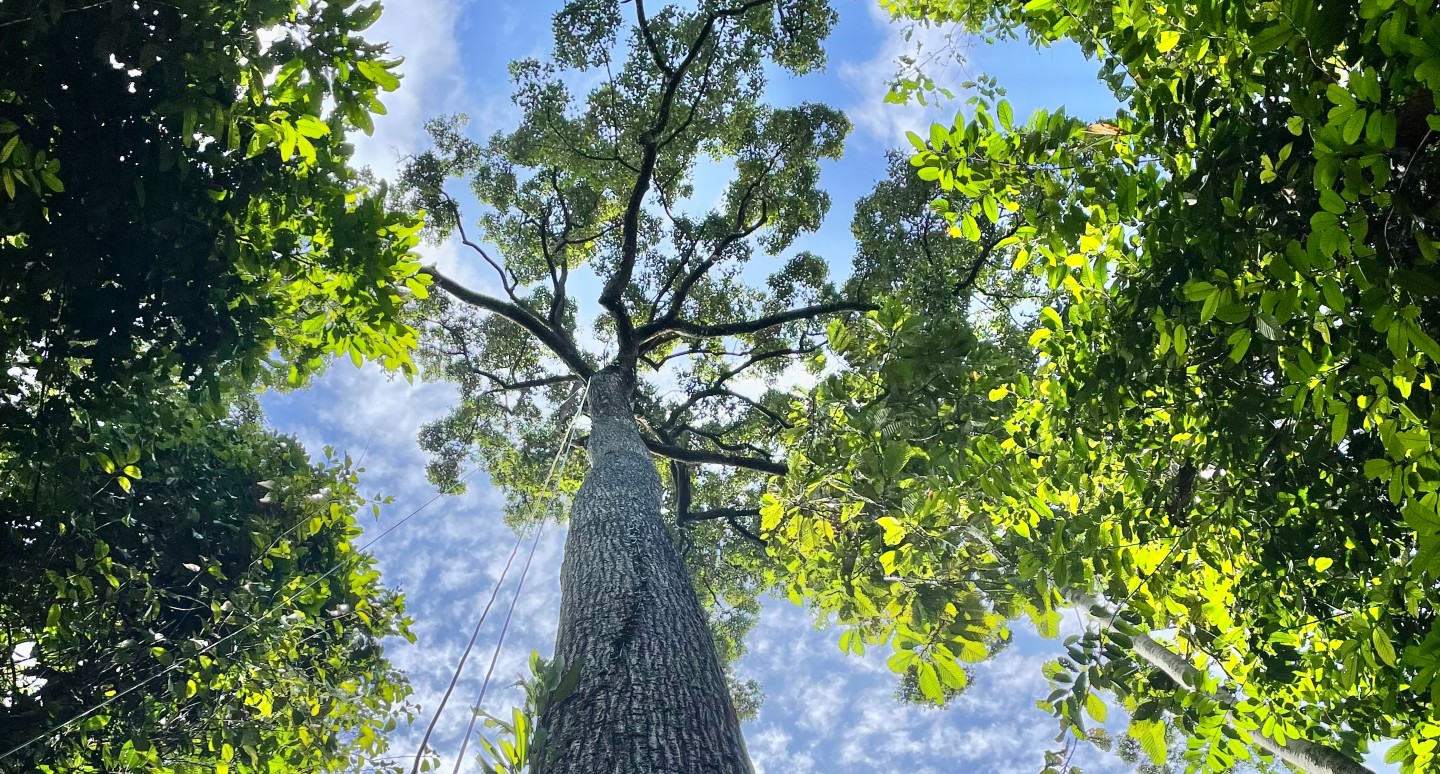
Study finds giant tropical trees compensate for height-related water transport challenges
New research led by the University of Exeter and Cardiff University, published in the journal Science, challenges conventional scientific th
 news.exeter.ac.uk·3d ago
Understanding Why Cool-Climate Plants Fail in Hot Regions: The Critical Role of Nighttime Temperatures
The article explores why cool-climate plants cannot thrive in hot climates, specifically focusing on the author's experience moving from the
 crimepaysbutbotanydoesnt.com·10mo ago
Chinese money plant leaves reveal Voronoi diagram pattern in vein formation study
Researchers have discovered that the leaves of the Chinese money plant (Pilea peperomioides) display a geometric pattern called a Voronoi di
 sciencenews.org·16d ago
Global Study Warns of Alarming Freshwater Loss Due to Climate Change and Human Activity
A new study led by Arizona State University, published in Science Advances, reveals alarming freshwater loss across Earth's continents since
 news.asu.edu·11mo ago
Urban Street Trees Survive Drought by Drinking from Leaky Water Pipes
A scientific study reveals that urban street trees are more drought-resistant than park trees because they access water from leaky undergrou
 newscientist.com·10mo ago
Climate Change Slows Water Mixing in Crater Lake, Threatening Ecosystem Health
Scientists are studying how climate change is affecting the mixing of water layers in deep lakes like Crater Lake in Oregon. The annual mixi
 quantamagazine.org·7mo ago
Comments
Sign in to join the conversation.
No comments yet. Be the first.