
























Distortion vs. saturation in audio production: How to add harmonic warmth without ruining your mix
This article explores the technical and creative differences between distortion and saturation in audio production. It explains that while both involve signal clipping, saturation is a softer, more musical form of distortion that adds harmonic richness and warmth without harshness. The piece traces the history of saturation from analog tape and tube gear to modern plugins, and provides practical guidance on using saturation effectively on individual tracks, buses, and master channels. It covers different types of saturation (tape, tube, transformer, console), how to dial in the right amount, and tips for getting the best "dirt" for your sound without ruining clarity.
Key quotes
As human beings living in an organic world, we quite like impurity and a measure of chaos - and that's where sensible use of saturation can bring an awful lot to the musical table.
Adding small or even large amounts of saturation doesn't have to be bad for you, as we explore how to singe your sonics
Throughout recording history, technology has sought to deliver the cleanest signal possible, so why for the love of Joe Meek would you want to turn a clean signal into a distorted one?
From the article
You might also wanna read


Comparing Audio and Image Processing: A Technical Exploration of Downsampling Across Media Types
The article explores a technical thought experiment comparing raster graphics and audio files as sequences of analog measurements, examining
 lcamtuf.substack.com·5mo ago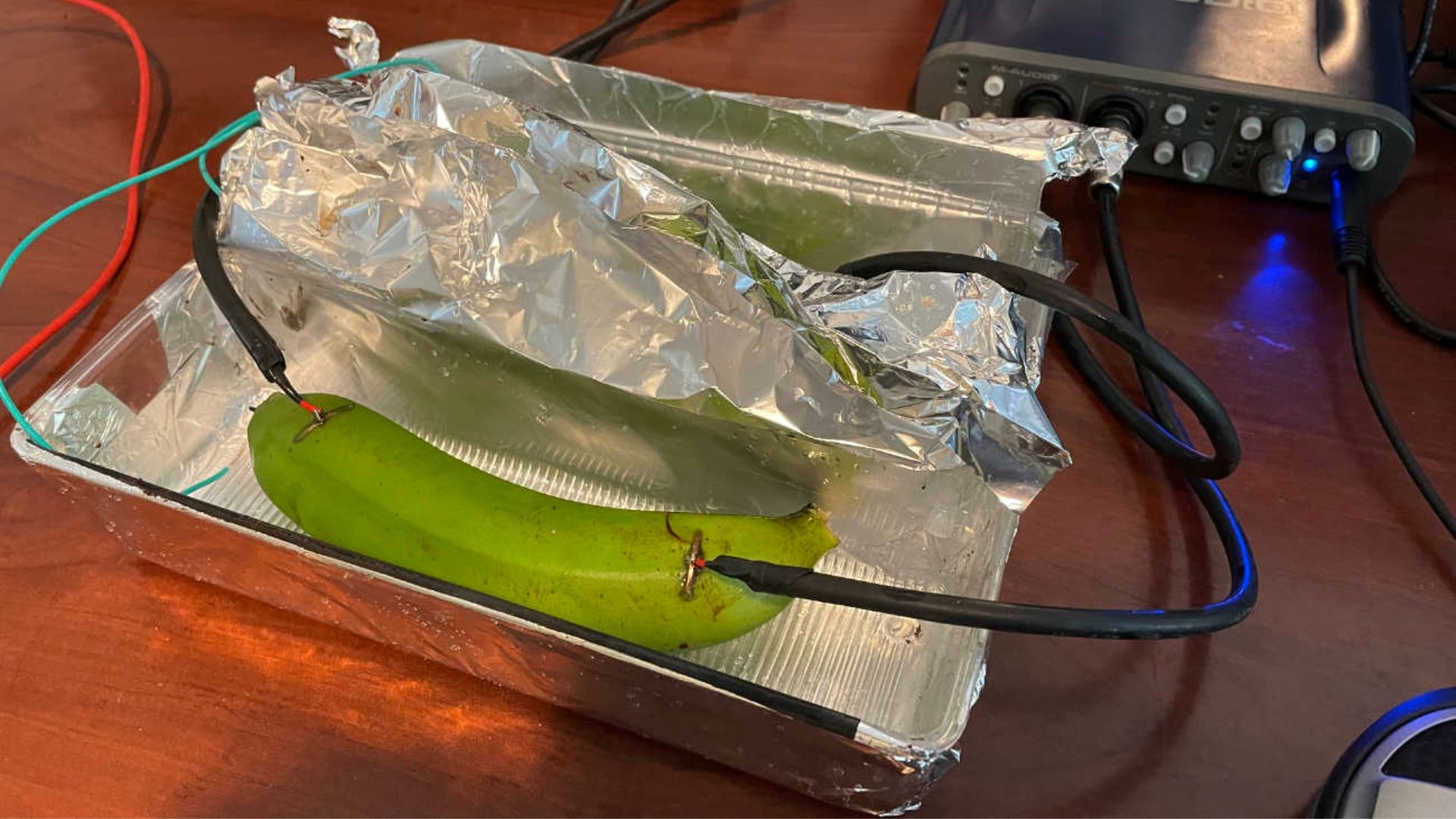
Audio Experiment Finds Listeners Can't Distinguish Between Copper Wire, Banana, and Wet Mud Signals
A DIY audio experiment conducted on the diyAudio forum tested whether listeners could distinguish between audio signals sent through profess
 tomshardware.com·4mo ago
10 Best Buffer Pedals (July 2026)

Excellence through subtraction: What's left when you stop ruining it
Seth Godin reflects on Paul McGowan's insight about stereo amplifiers: musicality isn't an added feature but what remains when you stop ruin
 seths.blog·1mo ago
[1.1.0 stable] TuneLab Q.zip - Google Drive
drive.google.com·5d ago
Comments
Sign in to join the conversation.
No comments yet. Be the first.