
























The race to set lunar standard time: US and China clash over moon timekeeping
By
Tom Brown
Summary
The article explores the growing international debate over establishing a standardized lunar time zone, highlighting the competing approaches between the US (NASA's Artemis program) and China. It explains the scientific and technical challenges of timekeeping on the moon due to relativistic effects (time dilation from gravity and motion), the practical necessity for synchronized lunar operations, and the geopolitical stakes involved in setting the standard. The piece draws historical parallels to Earth-based time standardization (like railway time) and examines how lunar timekeeping could shape future space governance and international cooperation or competition.
Source
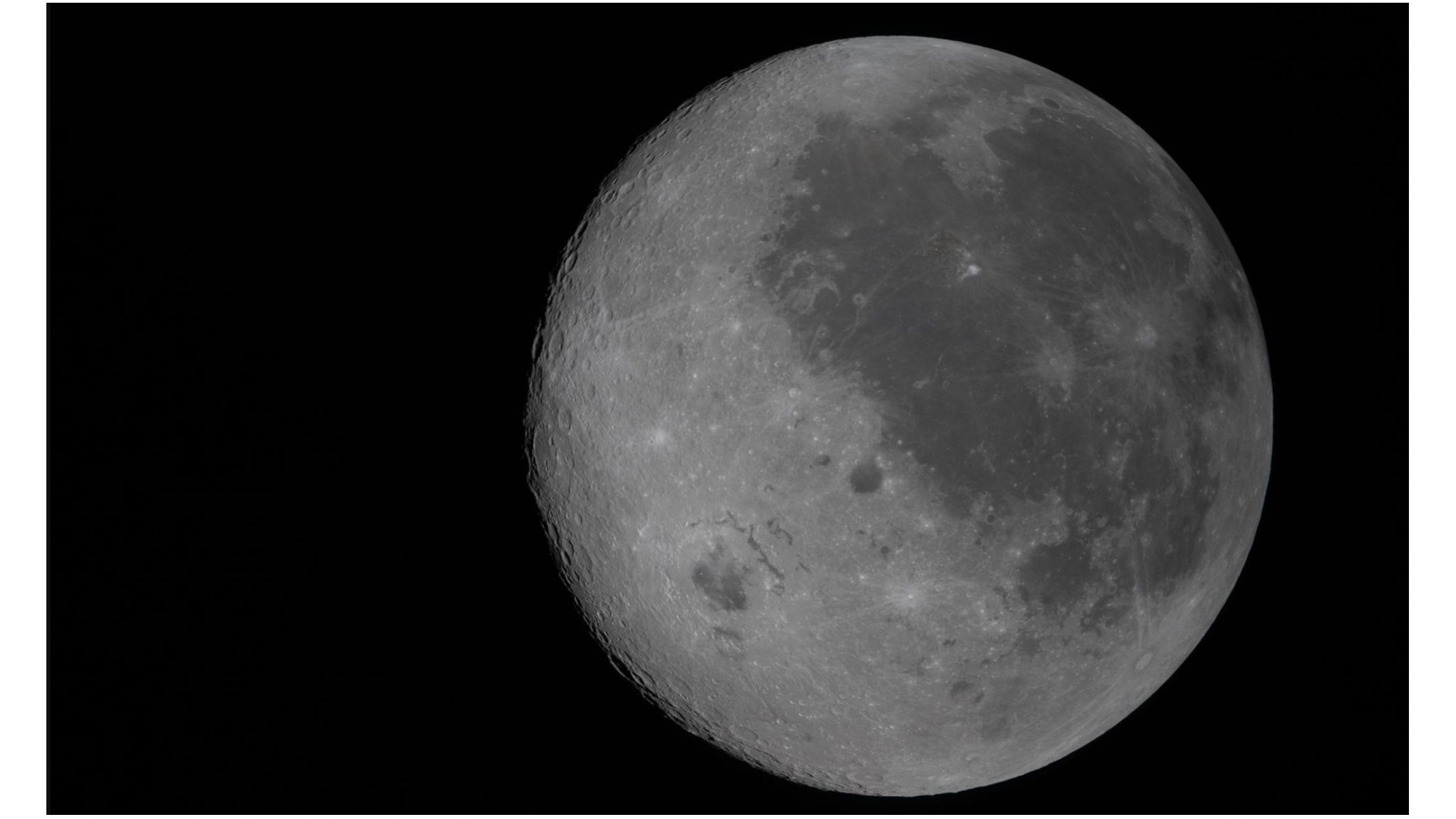
 bskyThe race to set lunar standard time: US and China clash over moon timekeepingspace.com
Key quotes
· 3 pulledIf you stand outside the old Corn Exchange in Bristol, you'll see a clock with two minute hands above the entrance. One hand is set to London time, the other to Bristol's — ten minutes behind.
Of course, when it comes to scheduling anything with bounds beyond one city, having two poses an issue.
This is why, in 1840, the British company Great Western Railway imposed what...
You might also wanna read


Understanding Leap Seconds: How Timekeeping Adjusts for Earth's Rotation
The article discusses the history and technical aspects of leap seconds in Coordinated Universal Time (UTC), explaining how they are used to

Experts call for lunar building code to ensure safe moon base construction
As humanity prepares for a sustained presence on the moon, experts at the 26th Space Resources Roundtable are calling for the development of
 space.com·5d ago
NASA Considers Replacing SpaceX for Moon Mission Due to Schedule Delays
NASA's acting administrator Sean Duffy has suggested that SpaceX may be removed from the Artemis moon mission due to schedule delays. Duffy
 cnn.com·8mo ago
China's Space Program Targets 2030 Moon Landing Amid NASA Artemis Schedule Changes
The article discusses China's space program aiming for a lunar landing by 2030, potentially outpacing NASA's Artemis mission. It includes an
 spectrum.ieee.org·4mo ago
NASA Opens Artemis III Lander Competition Due to SpaceX Delays
NASA has reopened competition for the Artemis III lunar lander contract after acknowledging SpaceX's delays in developing the Human Landing
 theregister.com·8mo ago
IERS Announces No Leap Second Will Be Added in June 2026
The International Earth Rotation and Reference Systems Service (IERS) has announced that no leap second will be introduced at the end of Jun
 lists.iana.org·3mo ago
Comments
Sign in to join the conversation.
No comments yet. Be the first.