
























IERS Announces No Leap Second Will Be Added in June 2026
No leap second 2026-06-30, per below. See attached patch. -- Tim Parenti ---------- Forwarded message --------- From: IERS EOP Product Center Date: Tue, 6 Jan 2026 at 06:50 Subject: Bulletin C number…
Read the full articleYou might also wanna read


New Nuclear Clock Research Promises Next Leap in Timekeeping Precision
New innovations will use the nucleus itself to keep time.
 popularmechanics.com·24d ago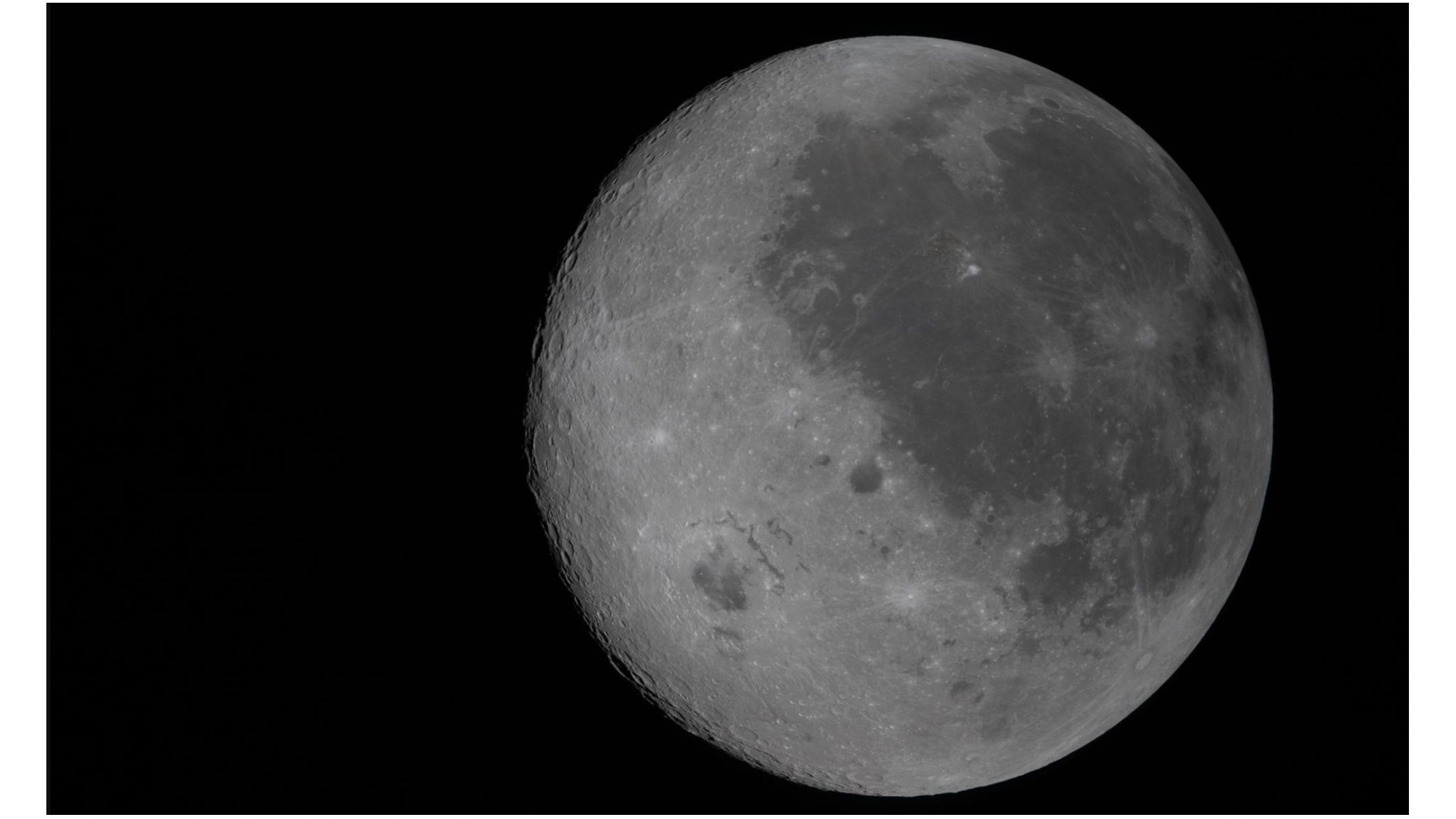
The race to set lunar standard time: US and China clash over moon timekeeping
Why making lunar standard time is in everyone's best interests.
 space.com·22d ago
The race to set lunar standard time: US and China clash over moon timekeeping
Why making lunar standard time is in everyone's best interests.
space.com·22d agoU.S. House Votes To ‘Ditch The Switch’ And Make Daylight Saving Time Permanent
U.S. House Votes To ‘Ditch The Switch’ And Make Daylight Saving Time Permanent holdinessed Tue, 07/14/2026 - 06:00 PM
Why does daylight saving time exist?
Daylight saving, which began as a wartime energy‑saving measure, starts on Sunday, March 8, and ends on Sunday, November 7, 2026.

Scientists Develop Nuclear Clocks, Promising a New Era of Ultra-Precise Timekeeping
New innovations will use the nucleus itself to keep time.
popularmechanics.com·24d agoDo You Have the Time?
NASA GISS The Mars24 software displays a Mars sunclock, a graphical representation of the planet Mars showing its current standard Mars time
Comments
Sign in to join the conversation.
No comments yet. Be the first.