
























The Decline of Unsupervised Play Is Fueling the Youth Mental Health Crisis
By
Steve Magness
Summary
This article argues that the decline of unsupervised, unstructured neighborhood play among children is a major contributor to the youth mental health crisis. Drawing on personal anecdotes from the 1990s and research from experts like Peter Gray (psychologist) and Jonathan Haidt (author of The Anxious Generation), the authors contend that overprotective "helicopter parenting" and the removal of risky, self-organized play have robbed children of essential developmental experiences. They advocate for restoring children's freedom to play without adult supervision, which builds resilience, problem-solving skills, social competence, and emotional regulation. The piece offers practical advice for parents to step back and let kids navigate their own play, emphasizing that this is a low-cost, high-impact solution to improving youth mental health.
Source

 Twitter / XThe Decline of Unsupervised Play Is Fueling the Youth Mental Health Crisisthegrowtheq.com
Key quotes
· 4 pulled'The decline in children's freedom to play and explore on their own, without adult direction, is the single most significant factor contributing to the rise in childhood mental health disorders,' says Peter Gray, a research professor at Boston College.
When kids play without adults hovering, they learn to manage their own emotions, resolve conflicts, take calculated risks, and make decisions—all of which are essential for building resilience.
We need to stop treating our children like delicate flowers that need constant protection and start treating them like the capable, resilient human beings they are capable of becoming.
The solution to the youth mental health crisis isn't more therapy or more medication—it's more freedom, more play, and more trust in our children's ability to handle life's challenges.
You might also wanna read

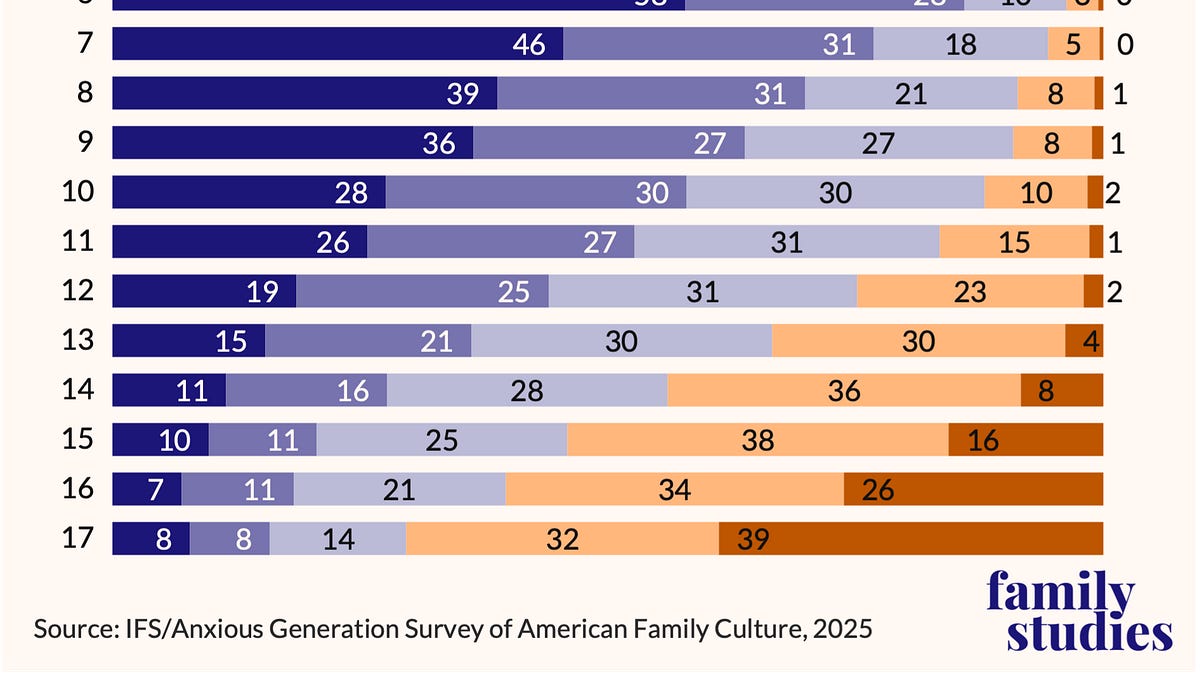
The Lost Freedom of Childhood: How Safetyism Has Confined a Generation
The article examines the phenomenon of "safetyism" — the cultural shift that has dramatically restricted children's independence and unsuper
 stevemagness.substack.com·4d ago
The Lost Freedom of Childhood: How Safetyism Has Confined a Generation
The article examines the phenomenon of "safetyism" — the cultural shift that has dramatically restricted children's independence and unsuper
stevemagness.substack.com·4d ago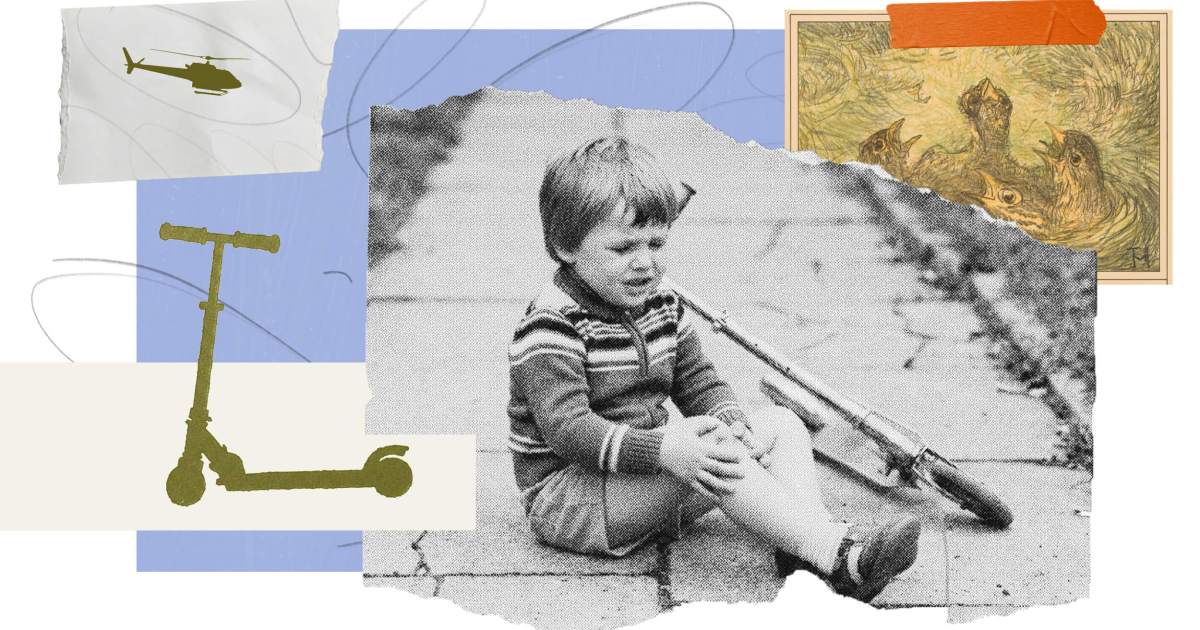
Parenting Dilemma: When Child Independence Meets Child Protective Services
The article examines the disappearance of free-range childhood through the story of an Atlanta couple who faced a child protective services
 bigthink.com·2mo ago
NYU psychologist warns AI toys may harm parent-child relationships
NYU social psychologist Jonathan Haidt warns that AI-powered toys, which are always available and responsive, could weaken the parent-child
 businessinsider.com·23d ago
How Algorithms and Digital Platforms Impact Mental Health and Well-being in the Modern Age
The article examines how modern digital technologies, particularly attention-grabbing algorithms and social media platforms, are negatively
 ssp.sh·6mo ago
Global social media bans for kids gain popularity, but researcher questions evidence behind youth mental health crisis claims
The article discusses the growing global trend of social media bans for children, starting with Australia's ban on under-16s, followed by si
 theglobeandmail.com·14d ago
Global social media bans for kids gain popularity, but researcher questions evidence behind youth mental health crisis claims
The article discusses the growing global trend of social media bans for children, starting with Australia's ban on under-16s, followed by si
theglobeandmail.com·14d ago
Psychotherapy Protocol Reveals Frontier LLMs Exhibit Synthetic Psychopathology When Treated as Therapy Clients
Researchers developed a psychotherapy-inspired protocol called PsAIch to treat frontier LLMs (ChatGPT, Grok, Gemini) as therapy clients rath
 arxiv.org·4mo ago
Comments
Sign in to join the conversation.
No comments yet. Be the first.