
























We assumed water had to be delivered to planets by comets or asteroids — but a 2025 Nature study found that sub-Neptunes, the most common type of planet in the galaxy, can forge their own oceans by reacting hydrogen atmospheres with molten rock deep insid
Water was thought to arrive on planets aboard comets and asteroids. A 2025 Nature study shows sub-Neptunes, the galaxy's most common planets, can make their own by reacting hydrogen atmospheres with…
Read the full articleYou might also wanna read
Astronomers reveal how clouds shape the hidden interiors of the galaxy's most common planets
Sub-Neptunes are the most common type of planet in our galaxy. Bigger than Earth but smaller than Neptune, these worlds remain deeply myster
Astronomers reveal how clouds shape the hidden interiors of the galaxy's most common planets
Sub-Neptunes are the most common type of planet in our galaxy. Bigger than Earth but smaller than Neptune, these worlds remain deeply myster

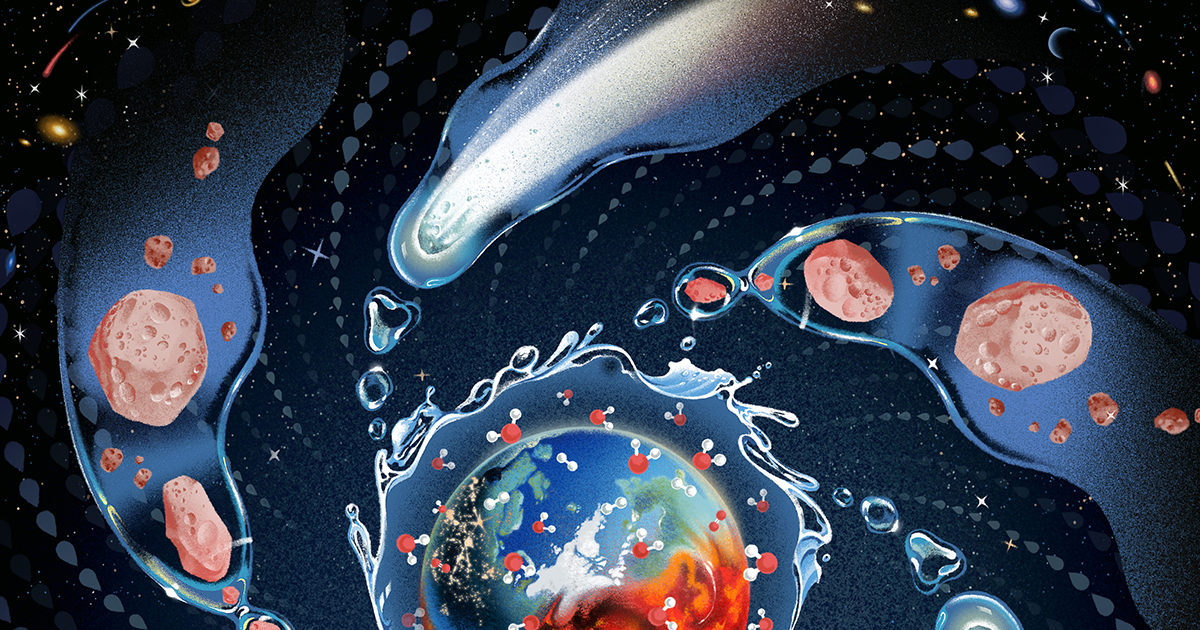
Scientists Debate Whether Earth's Oceans Came from Comets, Asteroids, or Were Homegrown
At first, scientists thought Earth’s water came from comets. Then, asteroids. Now, they wonder if Earth’s water is homegrown.
 quantamagazine.org·26d ago
Scientists Debate Whether Earth's Oceans Came from Comets, Asteroids, or Were Homegrown
At first, scientists thought Earth’s water came from comets. Then, asteroids. Now, they wonder if Earth’s water is homegrown.
quantamagazine.org·26d ago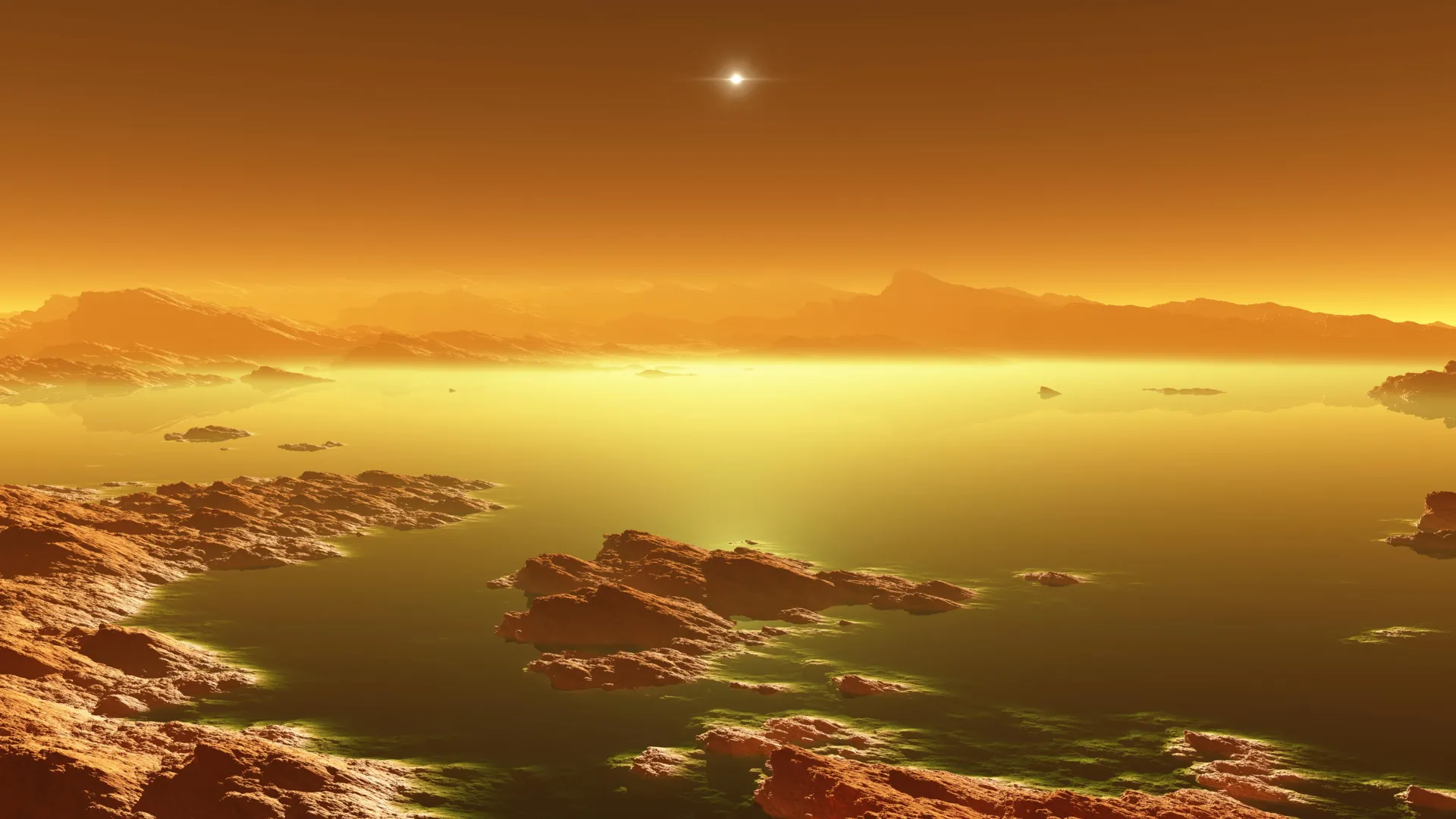
NASA research suggests Titan's hydrocarbon lakes could naturally form primitive cell-like structures
Saturn’s moon Titan may be more alive with possibilities than we thought. New NASA research suggests that in Titan’s freezing methane and et

Are Water Worlds Just Made of Soot?
Astrobites reports on whether the low-density planets that keep popping up in our growing collection of exoplanets are really the water worl
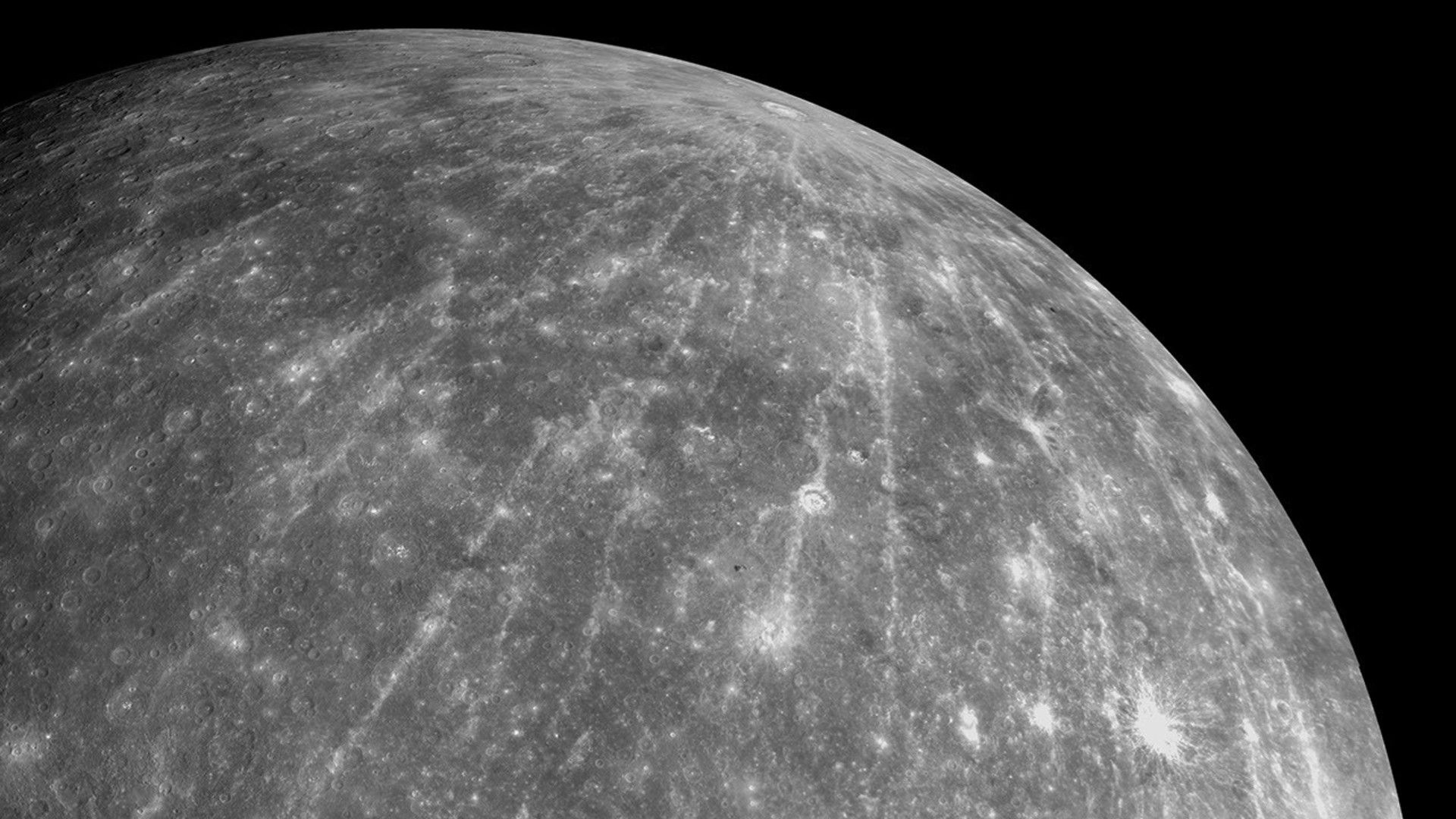
Study suggests single asteroid impact delivered Mercury's water ice in one Mercurian day
New findings suggest Mercury's ice was deposited rapidly rather than supplied gradually over long periods of time.
 space.com·1mo ago
Comments
Sign in to join the conversation.
No comments yet. Be the first.