
























Astronomers reveal how clouds shape the hidden interiors of the galaxy's most common planets
Sub-Neptunes are the most common type of planet in our galaxy. Bigger than Earth but smaller than Neptune, these worlds remain deeply mysterious because scientists still do not know what they are…
Read the full articleYou might also wanna read
Astronomers reveal how clouds shape the hidden interiors of the galaxy's most common planets
Sub-Neptunes are the most common type of planet in our galaxy. Bigger than Earth but smaller than Neptune, these worlds remain deeply myster


We assumed water had to be delivered to planets by comets or asteroids — but a 2025 Nature study found that sub-Neptunes, the most common type of planet in the galaxy, can forge their own oceans by reacting hydrogen atmospheres with molten rock deep insid
Water was thought to arrive on planets aboard comets and asteroids. A 2025 Nature study shows sub-Neptunes, the galaxy's most common planets

Abundant but Ambiguous: Understanding the Atmospheres of Sub-Neptunes with JWST
Sub-Neptunes may be the most abundant planet type in the galaxy, but they are not yet well understood. A recent study uses JWST to character
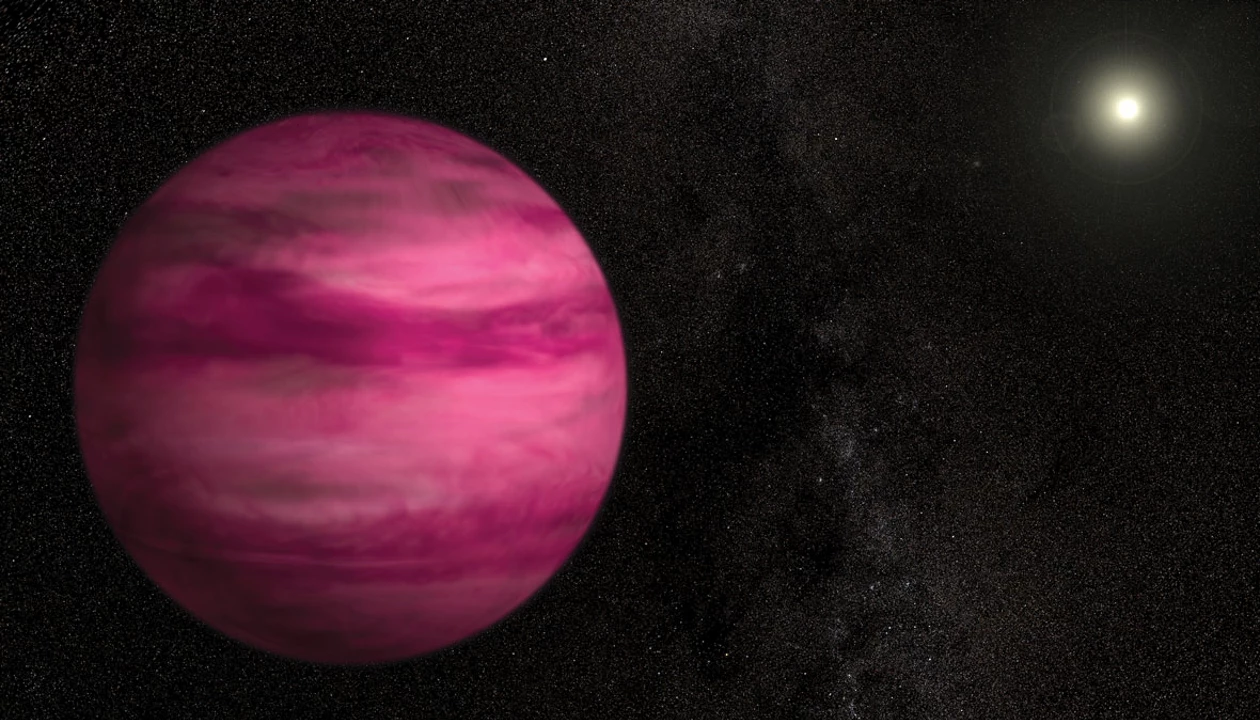
Astronomers analyze the atmospheric composition of exoplanet GJ 504 b, the Pink Planet
They find clouds of salt particles and a diversity of gaseous molecules
 cen.acs.org·14d ago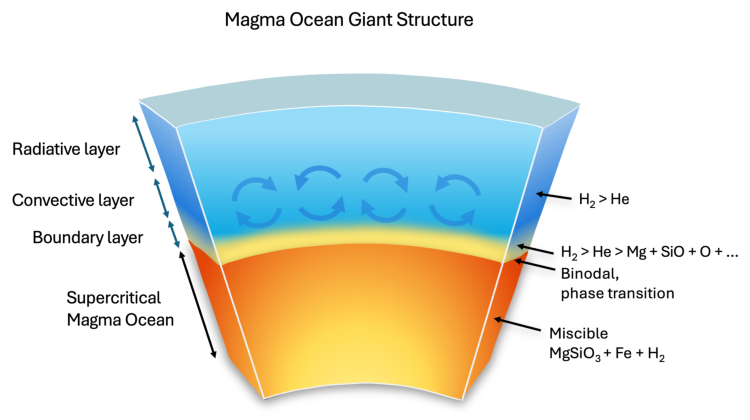
New Research Challenges 'Ice Giant' Classification of Uranus and Neptune
Uranus and Neptune remain two of the most mysterious objects in the solar system, primarily because they’ve only been visited by NASA’s Voya
 universetoday.com·13d ago
Astronomers Find Two Giant Planets So ‘Fluffy’ They Are Lighter Than Candy Floss
Credit: NASA/Daniel Rutter There are planets that make Earth look small. And then there are planets like TOI-791 b and ...
Comments
Sign in to join the conversation.
No comments yet. Be the first.