
























David E. Olson Appointed Editor-in-Chief of ACS Chemical Neuroscience
By
ACS Publications
Summary
ACS Publications has appointed Professor David E. Olson of UC Davis as the next Editor-in-Chief of ACS Chemical Neuroscience, effective July 1, 2026. The journal focuses on transdisciplinary neuroscience research with a molecular perspective, publishing high-quality research and reviews on chemical and molecular tools for understanding the nervous system.
Source

 Twitter / XDavid E. Olson Appointed Editor-in-Chief of ACS Chemical Neurosciencego.acs.org
Key quotes
· 3 pulledProfessor David E. Olson of the University of California, Davis, USA, has been appointed as Editor-in-Chief of ACS Chemical Neuroscience.
ACS Chemical Neuroscience is a transdisciplinary neuroscience journal with a molecular perspective that publishes high-quality research articles and reviews.
The journal's scope is broad and includes mechanistic neuropharmacology, central/peripheral...
You might also wanna read


ACS Publications announces new journal: ACS Applied Catalysis
The American Chemical Society's Division of Publications is launching a new journal called ACS Applied Catalysis. The journal will focus on
 cenm.ag·1mo ago
Neuroscience journal editor resigns after AI system overrides peer reviewer selections
An associate editor of Frontiers in Systems Neuroscience, Michael Okun, resigned in protest over the publisher's AI system (AIRA) that autom
 thetransmitter.org·19d ago
Scientists removed from ADA conference for sharing editorial critical of Trump administration's science policies
Five leading scientists, including the editor-in-chief of Diabetes Care and a former ADA president, were ejected from the American Diabetes
 arstechnica.com·29d ago
ADA Removes Journal Editor from Conference Over Critical Editorial
The article reports on an incident where the American Diabetes Association had police remove Dr. Steven Kahn, editor-in-chief of Diabetes Ca
 buttondown.com·1mo ago
A new Pitt study has upended decades-old assumptions about brain plasticity
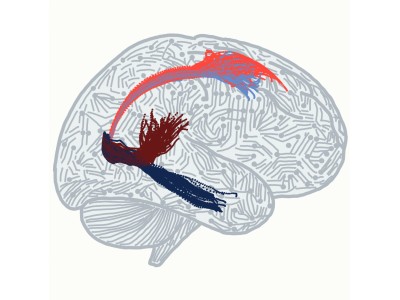
Neuroscientist challenges decades-old model of how vision and thinking work in the brain
Neuroscientist Nuttida Rungratsameetaweemana is challenging the long-held conventional view that vision is a passive, feed-forward process w
 engineering.columbia.edu·3d ago
Neuroscientist challenges decades-old model of how vision and thinking work in the brain
Neuroscientist Nuttida Rungratsameetaweemana is challenging the long-held conventional view that vision is a passive, feed-forward process w
engineering.columbia.edu·3d ago
Comments
Sign in to join the conversation.
No comments yet. Be the first.