
























Voyager 1 crossed into interstellar space in August 2012, yet it remains inside the gravitational reach of our Sun — true departure from the solar system, via the Oort Cloud, won’t happen for 30,000 years
By
Space Daily Editorial Team
6h agoen
Source
 Space DailyVoyager 1 crossed into interstellar space in August 2012, yet it remains inside the gravitational reach of our Sun — true departure from the solar system, via the Oort Cloud, won’t happen for 30,000 yearsspacedaily.com
Voyager 1 is already in interstellar space. NASA states that the spacecraft crossed into that region in August 2012, after passing beyond the heliopause: the boundary where the Sun’s outward-flowing bubble of particles and magnetic fields gives way to the interstellar environment. That sounds like departure. In one important sense, it is. Voyager 1 became […] The post Voyager 1 crossed into interstellar space in August 2012, yet it remains inside the gravitational reach of our Sun — true departure from the solar system, via the Oort Cloud, won’t happen for 30,000 years appeared first on Space Daily .
You might also wanna read

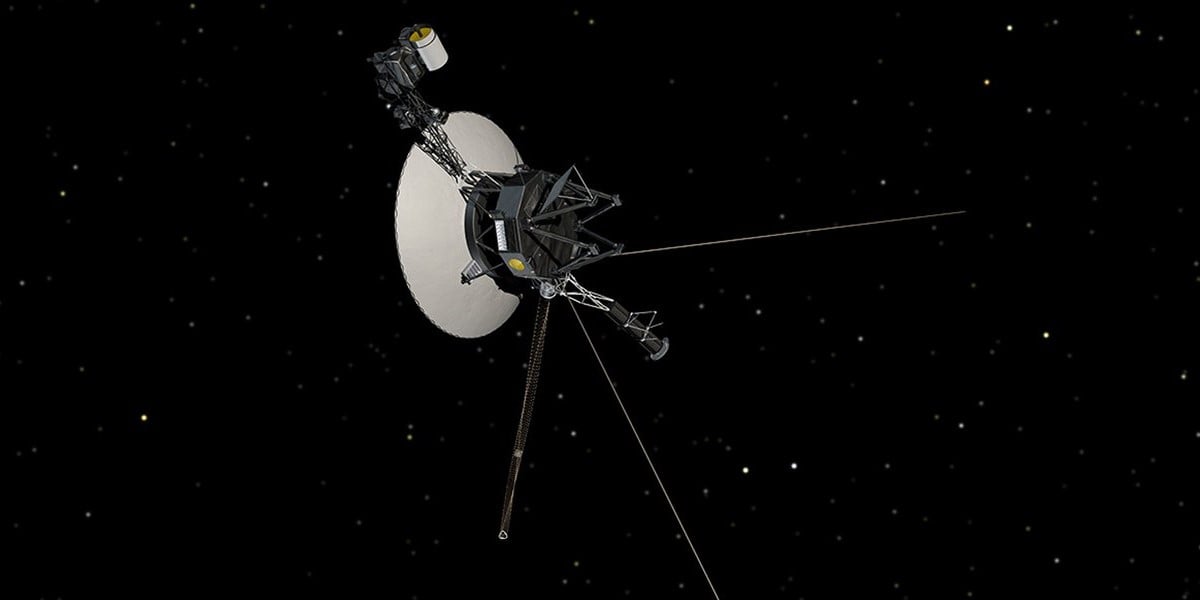
Voyager 1 marks 48 years in space as power-saving measures begin
Voyager 1, launched 48 years ago from Cape Canaveral, continues its mission studying Jupiter, Saturn, and Titan's atmosphere. Despite its ag
 theregister.com·10mo ago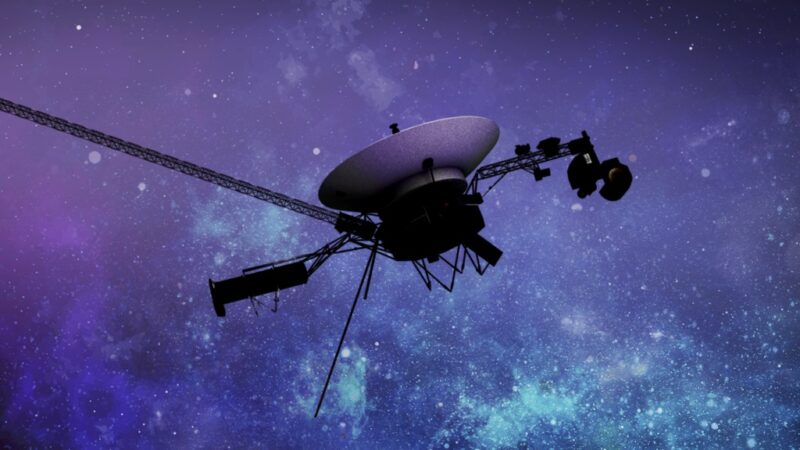
Voyager 1 to reach 1 light-day from Earth on November 18, 2026
Voyager 1, the most distant human-made object from Earth, will reach a distance of 1 light-day from Earth on November 18, 2026. Launched in
 earthsky.org·12d ago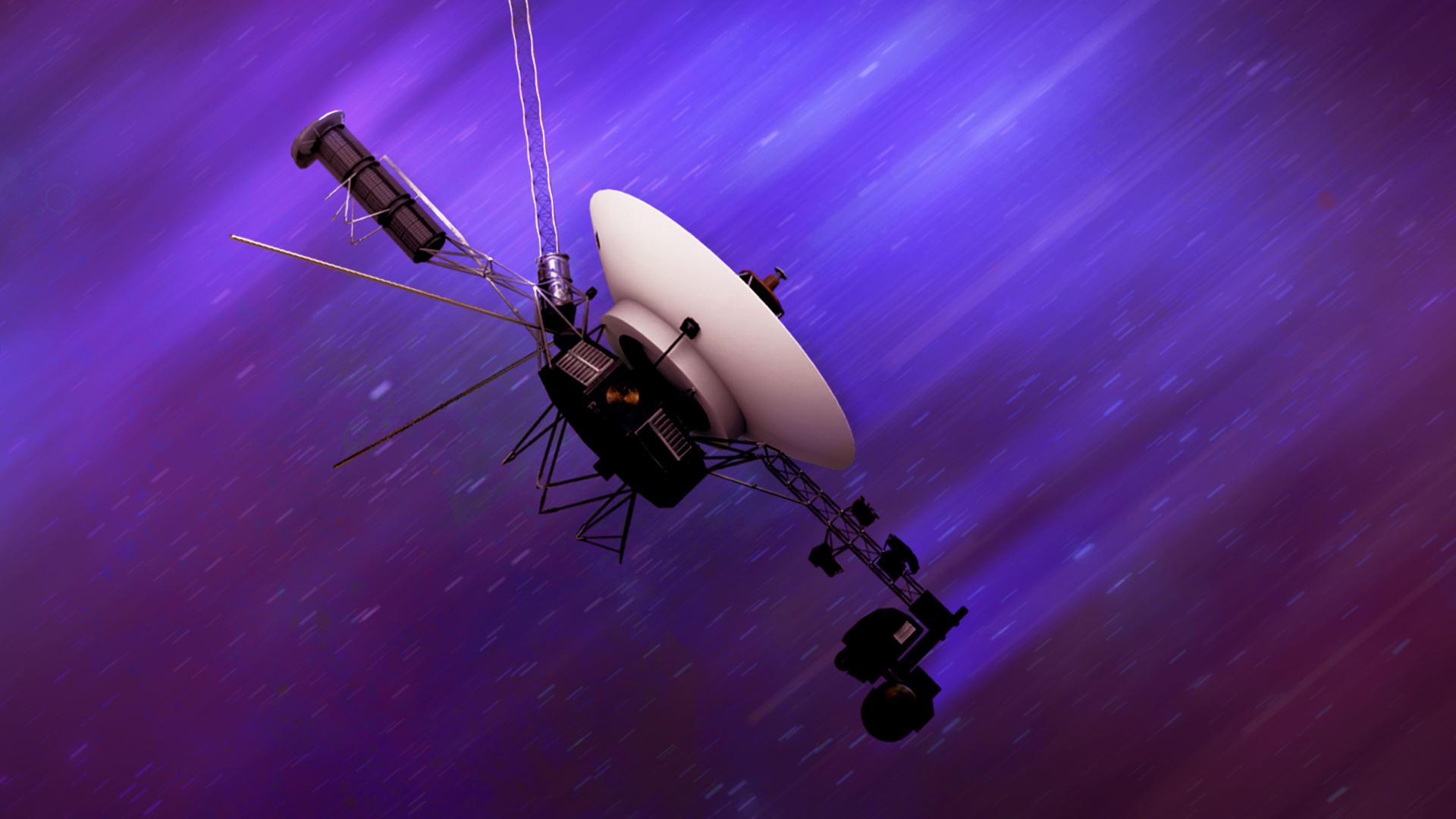
Voyager 1 to Reach One Light-Day Distance from Earth by November 2026
NASA's Voyager 1 spacecraft, launched in 1977, is approaching a historic milestone where it will be exactly one light-day from Earth by Nove
 scienceclock.com·7mo ago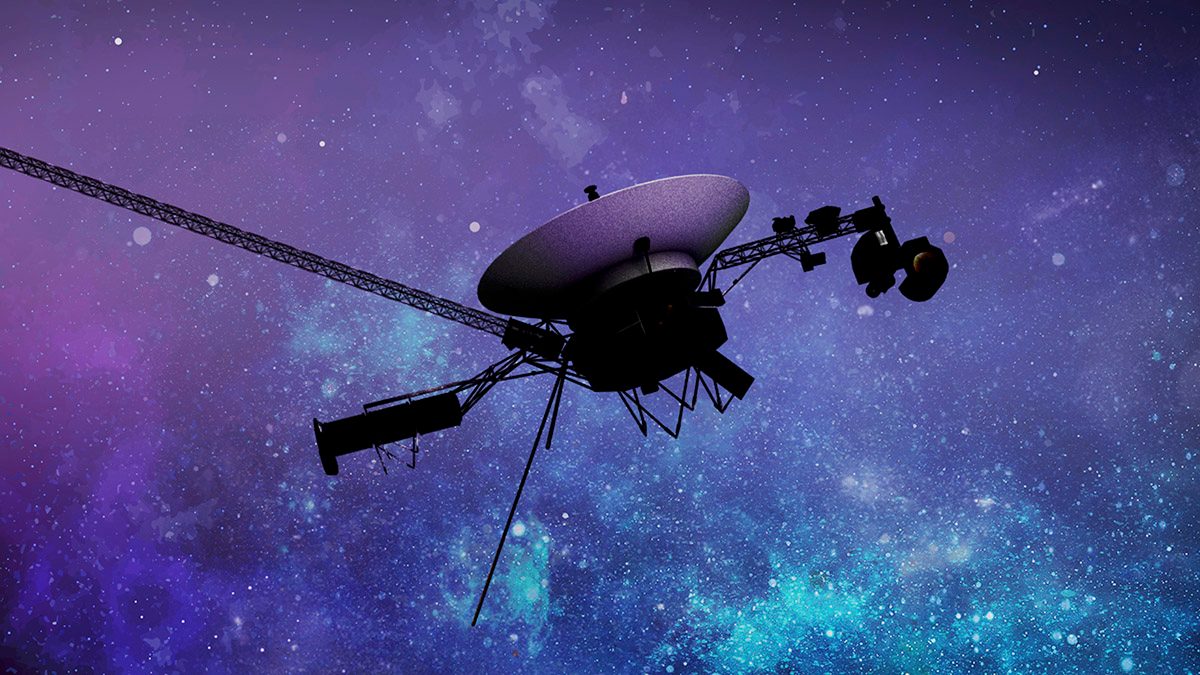
Voyager 1 to reach one light-day from Earth by November 2026
Voyager 1, the farthest human-made object in existence since 1998, is approaching a major milestone: on or around November 13, 2026, it will
 skyatnightmagazine.com·1mo ago
The 49-Year-Old Spacecraft Still Talking From Deep Space
hackernoon.com·15d ago

Interstellar comet 3I/ATLAS formed 12 billion years ago, JWST data reveals
Astronomers have determined that interstellar comet 3I/ATLAS, detected nearly a year ago racing through the Solar System at 221,000 km/h, li
 science.org·15d ago
Comments
Sign in to join the conversation.
No comments yet. Be the first.