
























Virtual vs. Physical PLCs in Manufacturing: Siemens on When Each Makes Sense
By
IIoT World
Summary
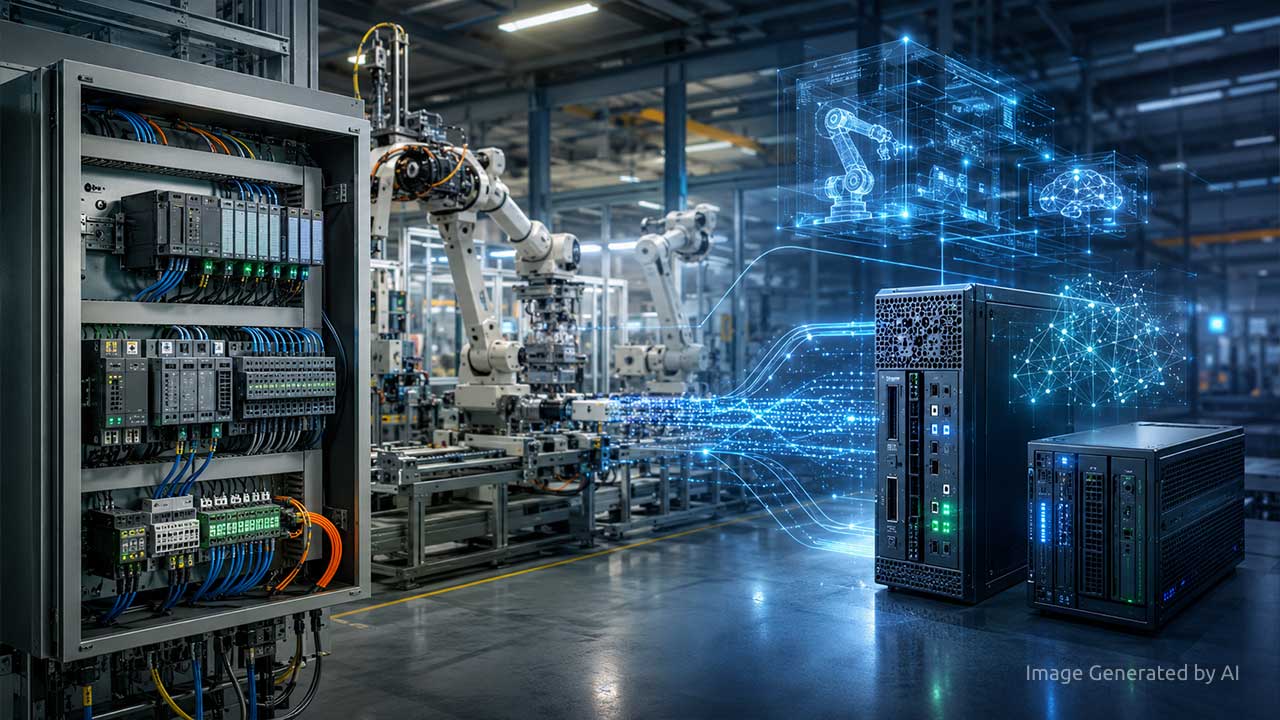
Siemens explains that the decision between virtual PLCs and physical hardware PLCs in manufacturing is not about replacement but about fit. Hardware PLCs remain the right choice for stable, running production lines with no need for IT/OT integration. Virtual PLCs excel in scenarios requiring flexibility, such as dynamic production changes, edge computing, and software-defined automation. The article highlights version drift as a critical challenge — when virtual and physical PLCs run different firmware versions, debugging becomes a nightmare. Siemens advocates for a hybrid approach where both types coexist based on operational needs, not a wholesale shift to virtualization.
Source
 bskyVirtual vs. Physical PLCs in Manufacturing: Siemens on When Each Makes Senseiiot-world.com
Key quotes
· 5 pulledThe question is not 'should we replace our hardware PLCs with virtual ones?'
If the production line is running, the code is stable, and there is no requirement to connect control to data, the hardware PLC is still the right call.
Version drift is the real problem — when virtual and physical PLCs run different firmware versions, debugging becomes a nightmare.
The real question is where a virtual PLC actually improves the operation, and where it adds complexity for no gain.
A hybrid approach — where both types coexist based on operational needs — is the path forward, not a wholesale shift to virtualization.
You might also wanna read

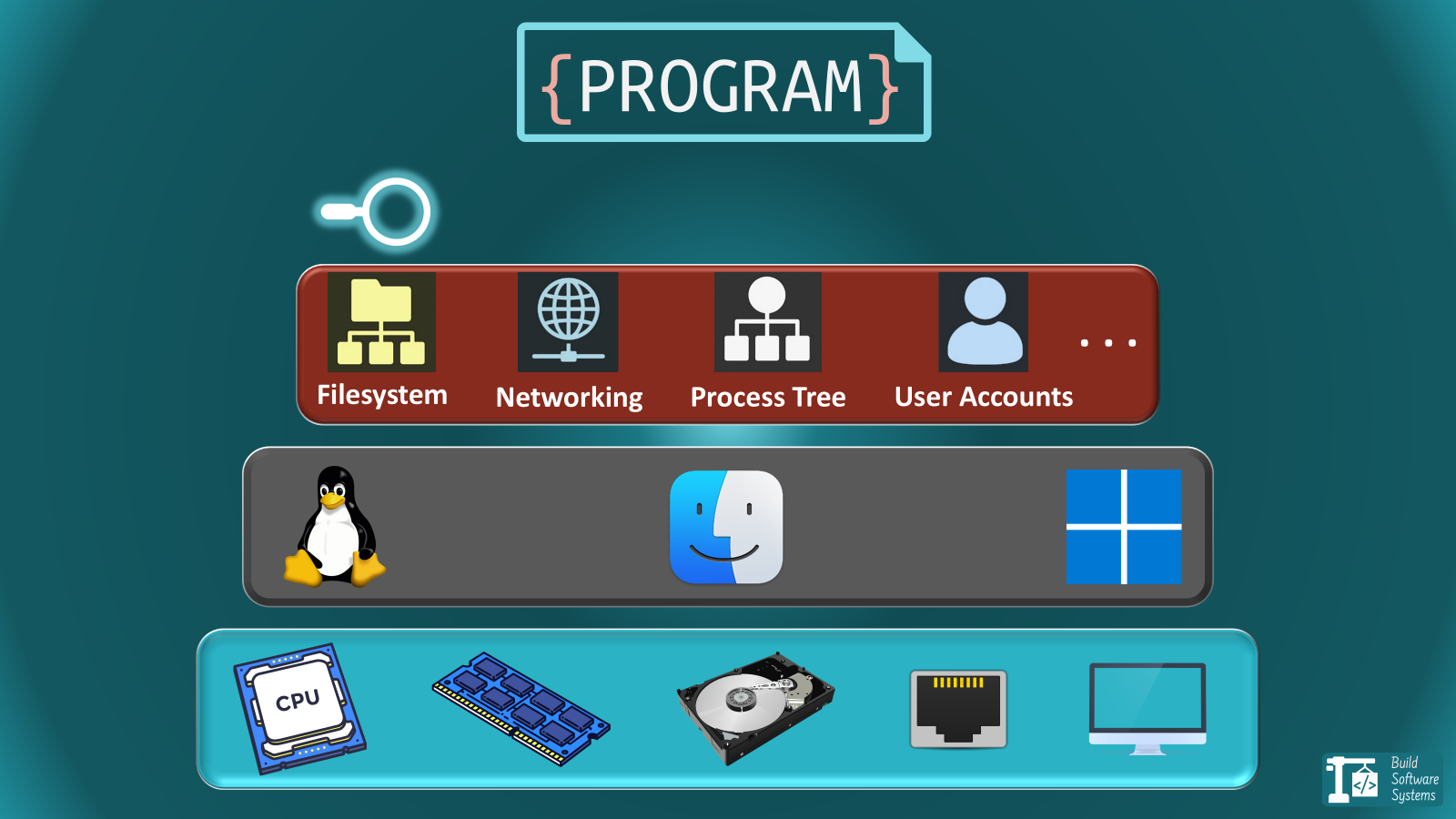
Understanding Execution Environments: Physical Machines, VMs, Containers, and Virtual Environments for Developers
This article explains different execution environments in software development, comparing physical machines, virtual machines, containers, a
 buildsoftwaresystems.com·5mo ago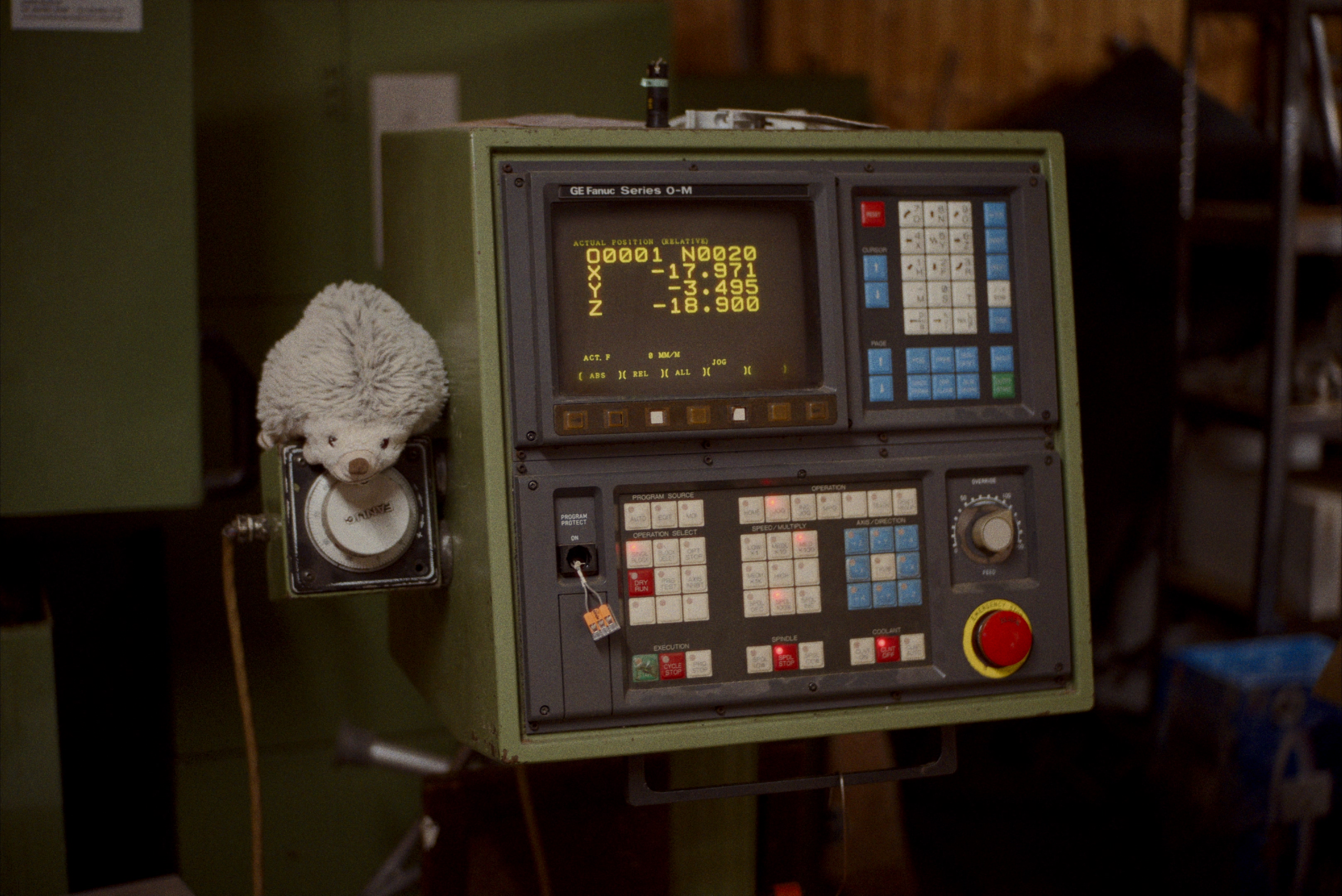
Bridging the Gap: Challenges of Programming a Vintage Fanuc 0M CNC Mill
The author shares their experience acquiring and attempting to use an old Hermle UWF 851 industrial CNC mill with a Fanuc 0M controller. Des
 3nt3.de·22d ago
Ask HN: I quit my job over weaponized robots to start my own venture

Advocating for Mandatory Open-Sourcing of Software When Hardware Reaches End-of-Life
The article argues that when hardware products reach end-of-life (EOL), companies should be legally required to open-source the software to
 marcia.no·5mo ago
Siemens CEO Roland Busch on Industrial Automation, AI Factories, and Global Trade Challenges
This is an interview with Siemens CEO Roland Busch discussing the company's role in industrial automation and digitalization. The conversati
 The Verge·4mo ago
Stream Plumbing: Architectural Approaches for Embedded Systems
This article explores the challenges of implementing stream plumbing (data transfer between software components) in embedded systems. Unlike
 gist.github.com·1mo ago
Comments
Sign in to join the conversation.
No comments yet. Be the first.