





















Understanding Execution Environments: Physical Machines, VMs, Containers, and Virtual Environments for Developers
By
ThierryBuilds

Crackling crust, pillowy middle. The kind of bagel that earns a second cup of coffee.
Summary
This article explains different execution environments in software development, comparing physical machines, virtual machines, containers, and virtual environments. It addresses the common "it works on my machine" problem by detailing how each environment works, their trade-offs, and when to use them. The guide helps developers understand the technical differences between these environments to choose the right tool for reliable software deployment and testing.
Key quotes
· 4 pulledEver had that dreaded 'but it works on my machine!' moment? The culprit is often a subtle difference in the execution environment—the 'stage' where your code performs.
These invisible discrepancies are what turn a successful local build into a deployment disaster.
Getting the environment right is crucial for writing, testing, and shipping software reliably.
But the landscape is crowded with terms like virtual machines, containers, and virtual environments—each with its own trade-offs.
You might also wanna read

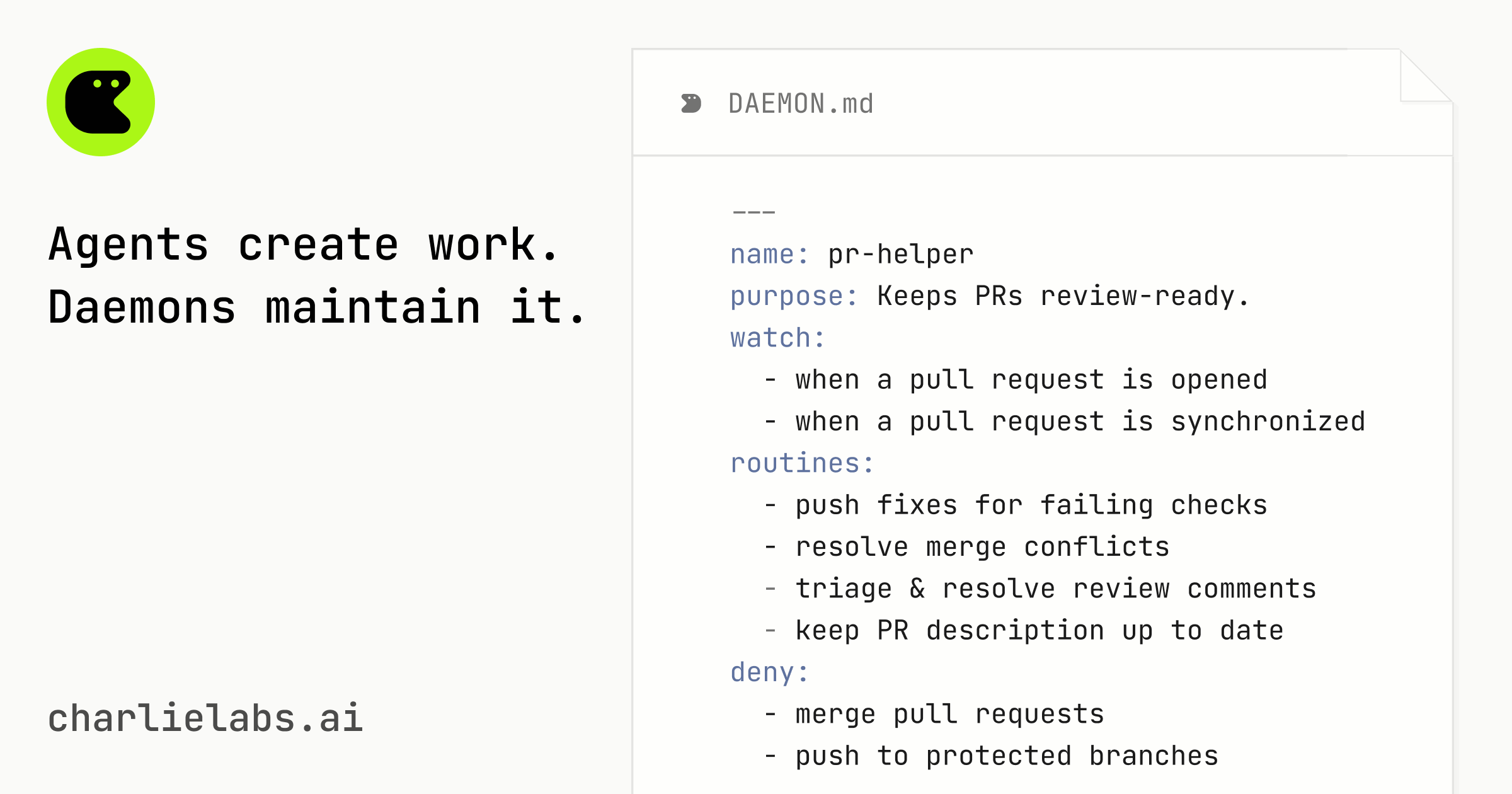
Understanding Daemons: Automated AI Agents for Code Repository Maintenance
The article explains daemons in software development - Markdown files that define automated agents for maintaining code repositories. Daemon
 charlielabs.ai·1mo ago
Implementing Changesets for Package Versioning in Polyglot Monorepos
This article discusses the practical use of Changesets for versioning packages in a polyglot monorepo environment. It explains how monorepos
luke.hsiao.dev·1mo ago
Alien: Rust-Based Self-Hosting Solution with Remote Management for Enterprise Customers
The article discusses the challenges of self-hosting software, particularly when enterprise customers pay for software but lack the technica
 news.ycombinator.com·1mo ago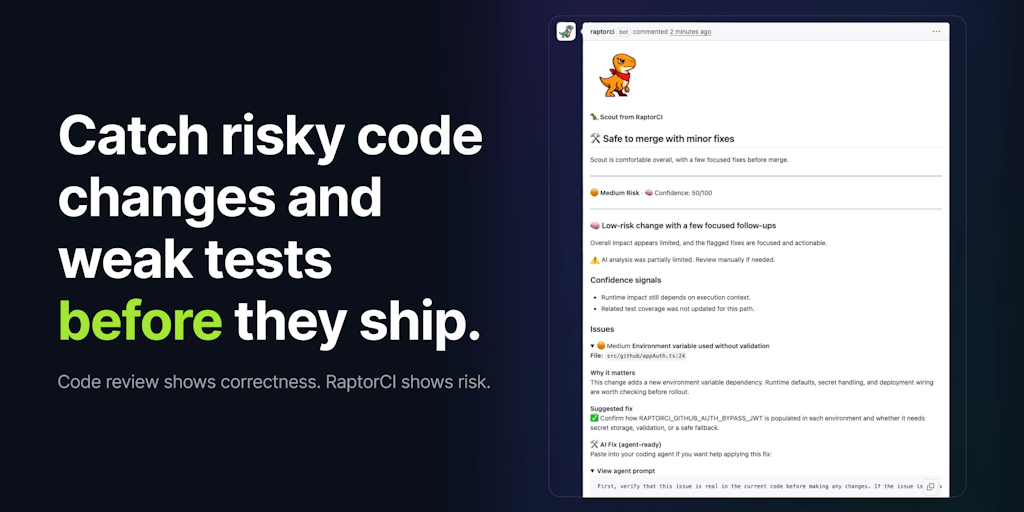
RaptorCI: Tool Analyzes Pull Requests to Identify High-Risk Code Changes Before Deployment
RaptorCI is a software development tool that analyzes pull requests to identify high-risk code changes and weak tests before they ship to pr
 Product Hunt·1mo ago
OpenTelemetry Profiles Reaches Public Alpha Stage for Production Performance Monitoring
OpenTelemetry has announced that its Profiles signal has entered public Alpha, marking a significant step toward establishing a unified indu
 opentelemetry.io·2mo ago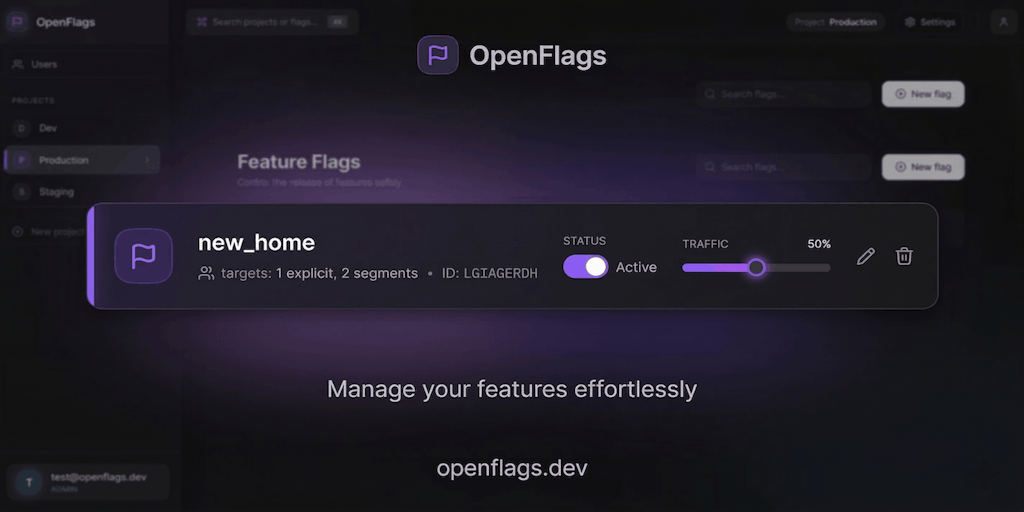
OpenFlags: Open-Source Self-Hosted Feature Flag Management Platform
OpenFlags is an open-source, self-hosted feature flag management platform designed as a lightweight alternative to LaunchDarkly. Built with
Product Hunt·2mo ago