
























Using Lean 4's Type System to Enforce POSIX Socket State Machine Correctness
The best runtime check is the one that never runs.
Read the full articleYou might also wanna read
Engineers Detail Technical Hurdles of Rewriting PostgreSQL Database Engine in Rust
Developers attempting to rewrite PostgreSQL in Rust have documented significant technical challenges, including a 12–15% CPU overhead introd
ShortSingh·6d ago


Python 3.14 Delivers JIT Compiler and GIL-Free Concurrency
A technical overview and some benchmarks
 towardsdatascience.com·24d ago
Why Raw Socket Programming Exposes the Hidden Complexity of Industrial Protocols
Developer RUGERO Tesla shares lessons learned after abandoning high-level libraries like pyModbus to build a raw socket-based toolkit for in
ShortSingh·3d ago
Formalizing chip-firing and Riemann--Roch for graphs in Lean 4
dhyeymavani.com·1mo ago
Lean4 - How the theorem prover works and why it's the new competitive edge in AI
As large language models (LLMs) permeate high-stakes industries like finance and medicine, the tolerance for “hallucinations”—confident but
dhyeymavani.com·7mo ago
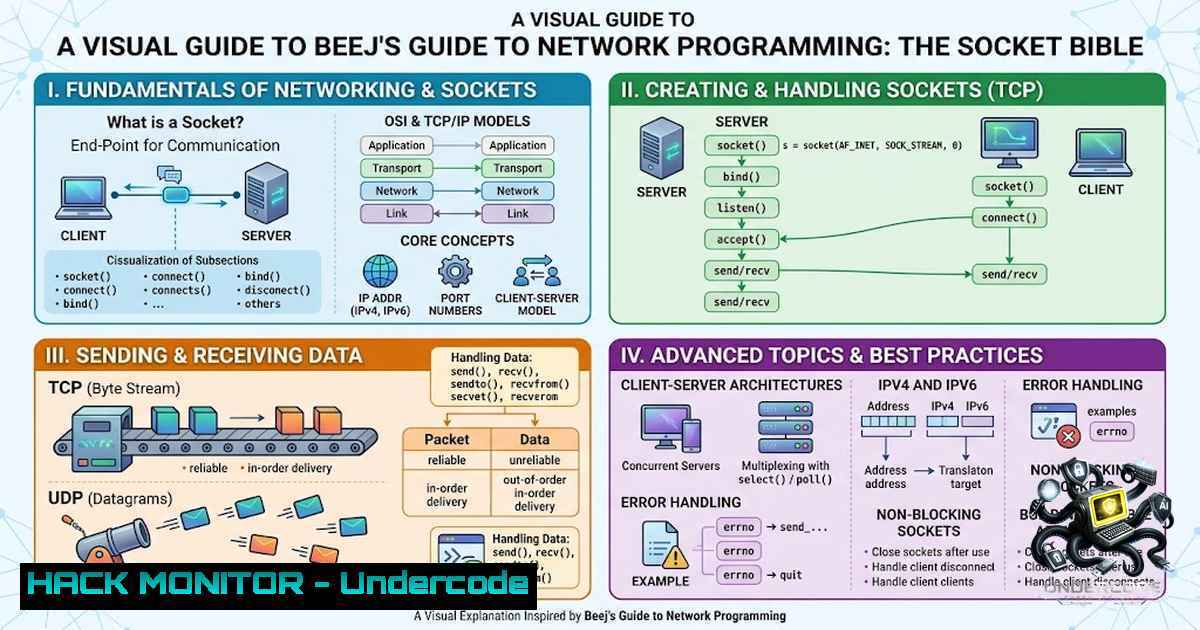
Beej's Guide to Network Programming: A Comprehensive Resource for Socket Programming in C
Beej's Guide to Network Programming: The Socket Bible Every Developer Must Read + Video - "Undercode Testing": Monitor hackers like a pro. G
 undercodetesting.com·1mo ago
Comments
Sign in to join the conversation.
No comments yet. Be the first.