
























Legal Risks of Generative AI: Attorney-Client Privilege and Work Product Protections
By
Michael Ott
Summary
This article discusses the legal risks associated with using generative AI tools (ChatGPT, Claude, Harvey, Microsoft Copilot) in legal practice, specifically regarding attorney-client privilege and work product protections. It highlights a recent court case (United States v. Heppner) where a federal court denied privilege protection for documents created using AI tools, demonstrating that courts are beginning to address these issues but have not reached consistent conclusions. The article warns legal professionals about the unexpected risks to privileged information when using AI without careful consideration.
Source

 bskyLegal Risks of Generative AI: Attorney-Client Privilege and Work Product Protectionsjdsupra.com
Key quotes
· 4 pulledGenerative AI tools like ChatGPT, Claude, Harvey, and Microsoft Copilot are increasingly being used to research legal questions, review documents, summarize information, and draft content.
While these tools can be helpful, their use can also create unexpected risks to attorney‑client privilege and work product protections if not used carefully.
Recent court decisions have begun to address these risks, and they have not all reached the same result.
In U.S. v. Heppner, a criminal case, a federal court held that documents a defendant cre
You might also wanna read


Legal Risks of Workplace AI: How Employee AI Use Could Backfire in Court
This article warns about the legal risks of using AI in the workplace, particularly when employees feed sensitive or confidential informatio
 natlawreview.com·3mo ago
US v. Heppner (S.D.N.Y. 2026) no attorney-client privilege for AI chats [pdf]

The Ongoing Problem of AI-Generated False Citations in Court Filings
This article examines the persistent problem of lawyers submitting court filings containing AI-hallucinated case citations, despite increase
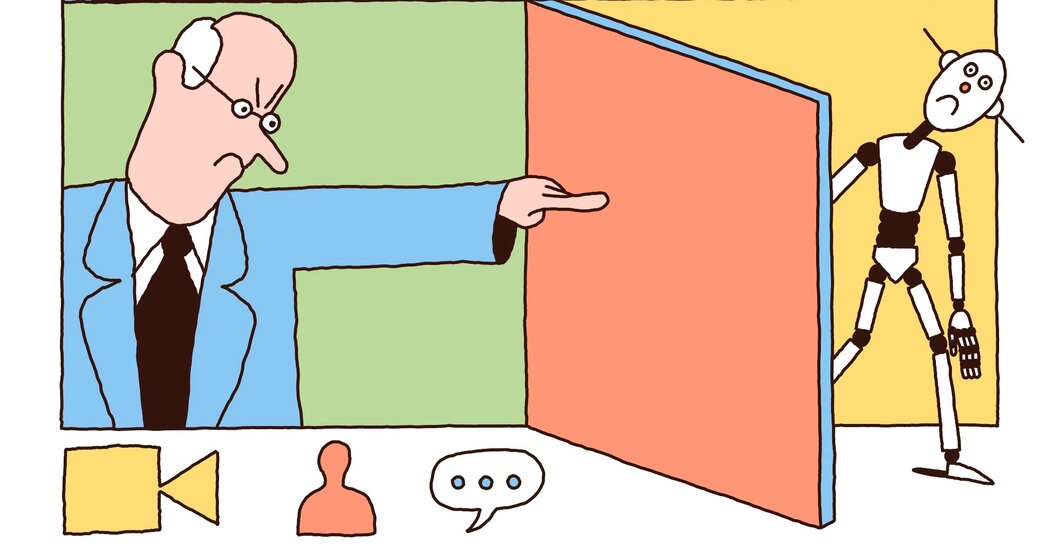
AI Note-Taking Tools Raise Attorney-Client Privilege Concerns for Lawyers
Lawyers are increasingly concerned about AI note-taking tools appearing in virtual meetings, as these tools could potentially waive attorney
 nytimes.com·1mo ago
Open Source in Generative AI: Technology, Market Competition, and Legal Boundaries
This article examines the intersection of open source principles and generative AI from technological, economic, and legal perspectives. It
 networklawreview.org·8d ago
Managing Intellectual Property Risks When Using AI-Generated Code in Professional Development
This article addresses the legal risks and intellectual property concerns when using AI-generated code in professional software development.
 augmentedswe.com·8mo ago
Comments
Sign in to join the conversation.
No comments yet. Be the first.