
























UC San Diego researchers develop recycling method to upgrade used EV batteries into higher-energy materials
By
Sujita Sinha
Summary
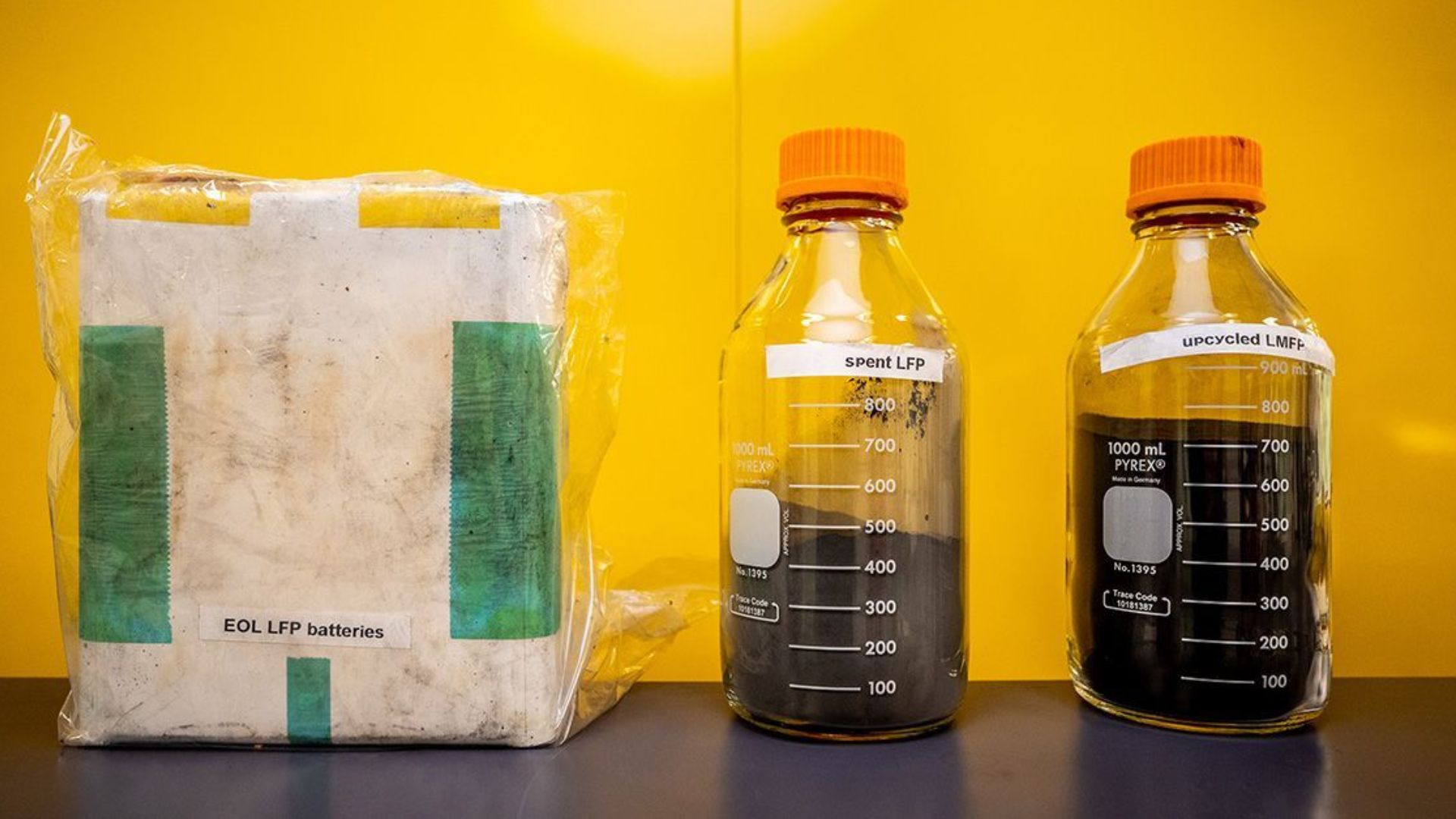
UC San Diego researchers have developed a new recycling method that transforms used lithium iron phosphate (LFP) EV batteries into lithium manganese iron phosphate (LMFP) material, which offers higher energy storage capacity while maintaining the safety and longevity of LFP batteries. The process provides a greener alternative to traditional recycling and gives old EV batteries a more powerful second life.
Source
 bskyUC San Diego researchers develop recycling method to upgrade used EV batteries into higher-energy materialsinterestingengineering.com
Key quotes
· 3 pulledScientists at the University of California San Diego created a process that turns used lithium iron phosphate (LFP) battery material into lithium manganese iron phosphate (LMFP).
This new battery type can store more energy while keeping the safety and long life that made LFP batteries popular.
Chen's research group had previously developed a method to restore old LFP batteries to fresh LFP material.
You might also wanna read


Redwood Materials Launches 'Second Life' Program for Used EV Batteries as Grid Storage
Redwood Materials, a leader in EV battery recycling, is launching a new division called Redwood Energy that focuses on giving used EV batter
 volts.wtf·8mo ago
UC Santa Barbara researchers develop liquid battery material that stores solar energy as heat for years
Researchers at UC Santa Barbara, led by Associate Professor Grace Han, have developed a novel material that absorbs sunlight, stores the ene
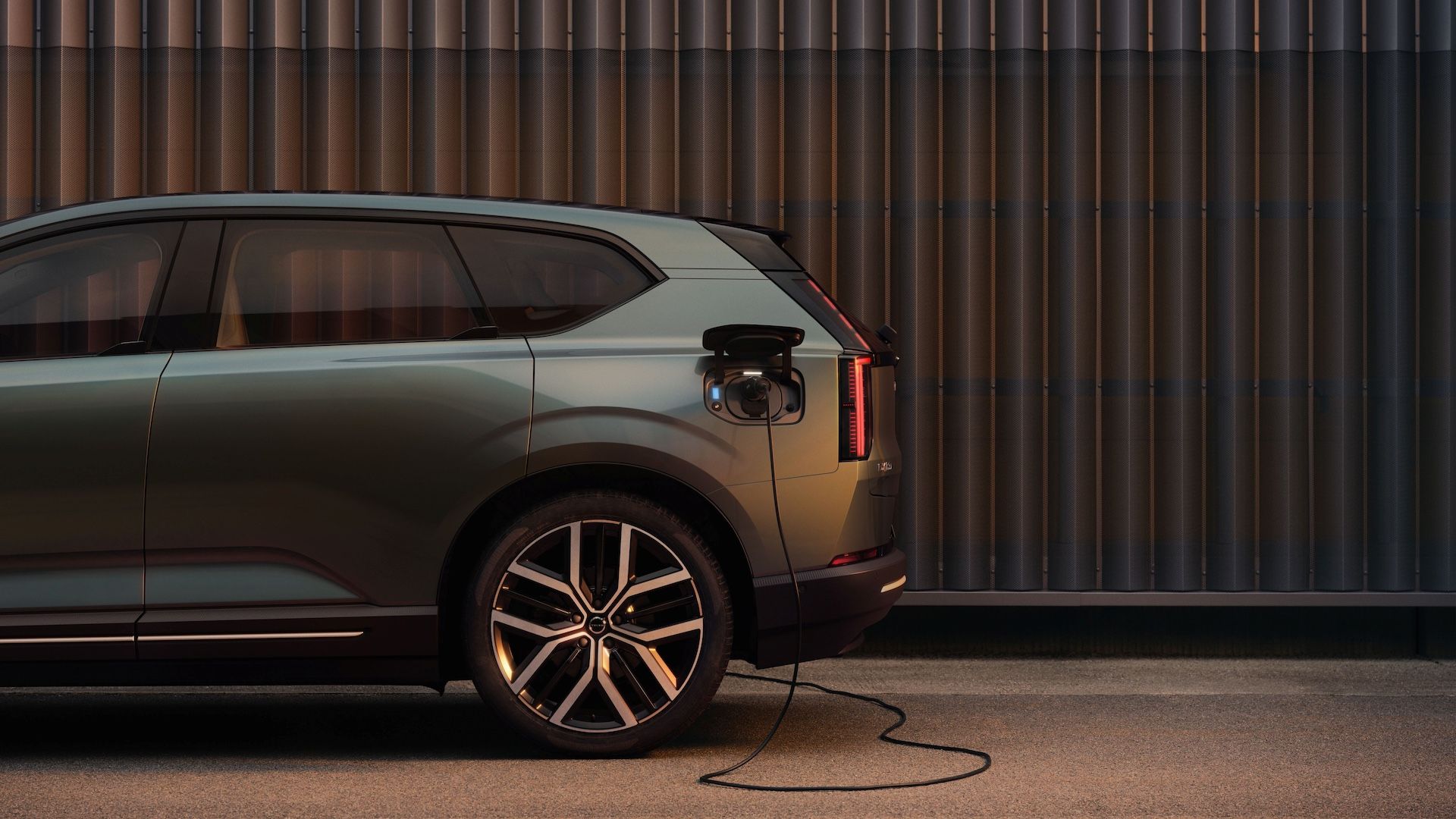
Columbia University Researchers Develop Gel Electrolyte to Stabilize Anode-Free Lithium-Ion Batteries
Researchers at Columbia University have developed a new gel electrolyte that stabilizes anode-free lithium-ion batteries, potentially improv
 techradar.com·4mo ago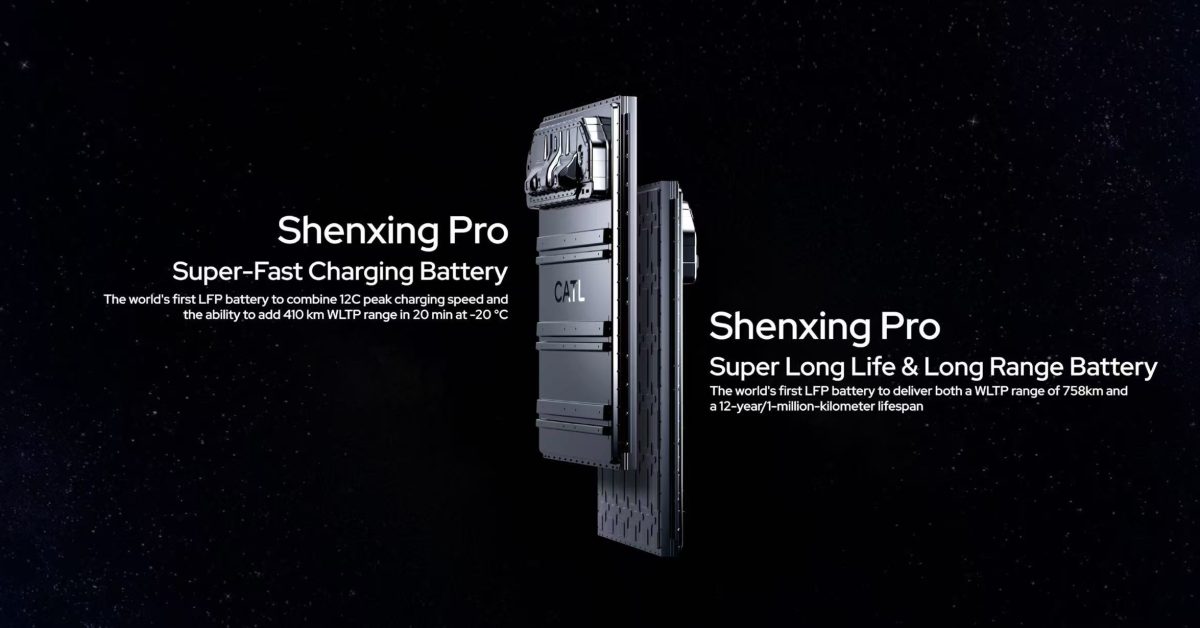
CATL unveils Shenxing Pro: world's first LFP battery with 470+ mile range and 10-minute charging
CATL has launched the Shenxing Pro, the world's first LFP (lithium iron phosphate) battery capable of delivering over 470 miles (758 km) WLT
 electrek.co·10mo ago
Comments
Sign in to join the conversation.
No comments yet. Be the first.