
























Separating Problem Solving from Code Generation: Evaluating LLMs on Competitive Programming Through Natural-Language Editorials
This paper argues that evaluations of Large Language Models (LLMs) on competitive programming tasks conflate two distinct abilities: algorithmic problem-solving and code-level implementation. The authors propose using natural-language editorials as an intermediate step to separate these skills. Their experiments show that generating editorials before code improves solve rates for some LLMs, with larger gains when using expertly written "gold" editorials. However, models still struggle with implementation, and the gap between generated and gold editorials reveals a persistent problem-solving bottleneck. The study introduces a dataset of 83 ICPC-style problems with gold editorials and test suites, evaluates 19 LLMs, and validates an LLM-as-a-judge protocol for scalable evaluation. The authors recommend that future benchmarks explicitly separate problem solving from implementation.
Key quotes
We argue that competitive programming is fundamentally a problem-solving task and propose centering natural-language editorials in both solution generation and evaluation.
Generating an editorial prior to code improves solve rates for some LLMs, with substantially larger gains when using expertly written gold editorials.
Even with gold editorials, models continue to struggle with implementation, while the gap between generated and gold editorials reveals a persistent problem-solving bottleneck in specifying correct and complete algorithms.
We argue that future benchmarks should explicitly separate problem solving from implementation.
From the article
You might also wanna read


Critical Analysis of LLM Limitations in Software Development
The article critiques the limitations and problems with Large Language Models (LLMs) and generative AI, using a personal experience with a n
 deobald.ca·4mo ago
Revisiting local LLMs for coding: A 4-week hands-on assessment
A personal retrospective on running local LLMs for coding tasks over a 4-week period. The author shares their journey from past disappointme
Revisiting local LLMs for coding: A 4-week hands-on assessment
A personal retrospective on running local LLMs for coding tasks over a 4-week period. The author shares their journey from past disappointme
Revisiting local LLMs for coding: A 4-week hands-on assessment
A personal retrospective on running local LLMs for coding tasks over a 4-week period. The author shares their journey from past disappointme

Examining the Compiler Analogy: Are LLMs the Next Evolution in Programming Abstraction?
The article explores the debate around whether Large Language Models (LLMs) are similar to compilers and whether we're moving toward a world

Reflections on LLMs and Their Impact on Software Development Practices
The author shares personal reflections on the current state of Large Language Models (LLMs) and AI in software development, questioning whet
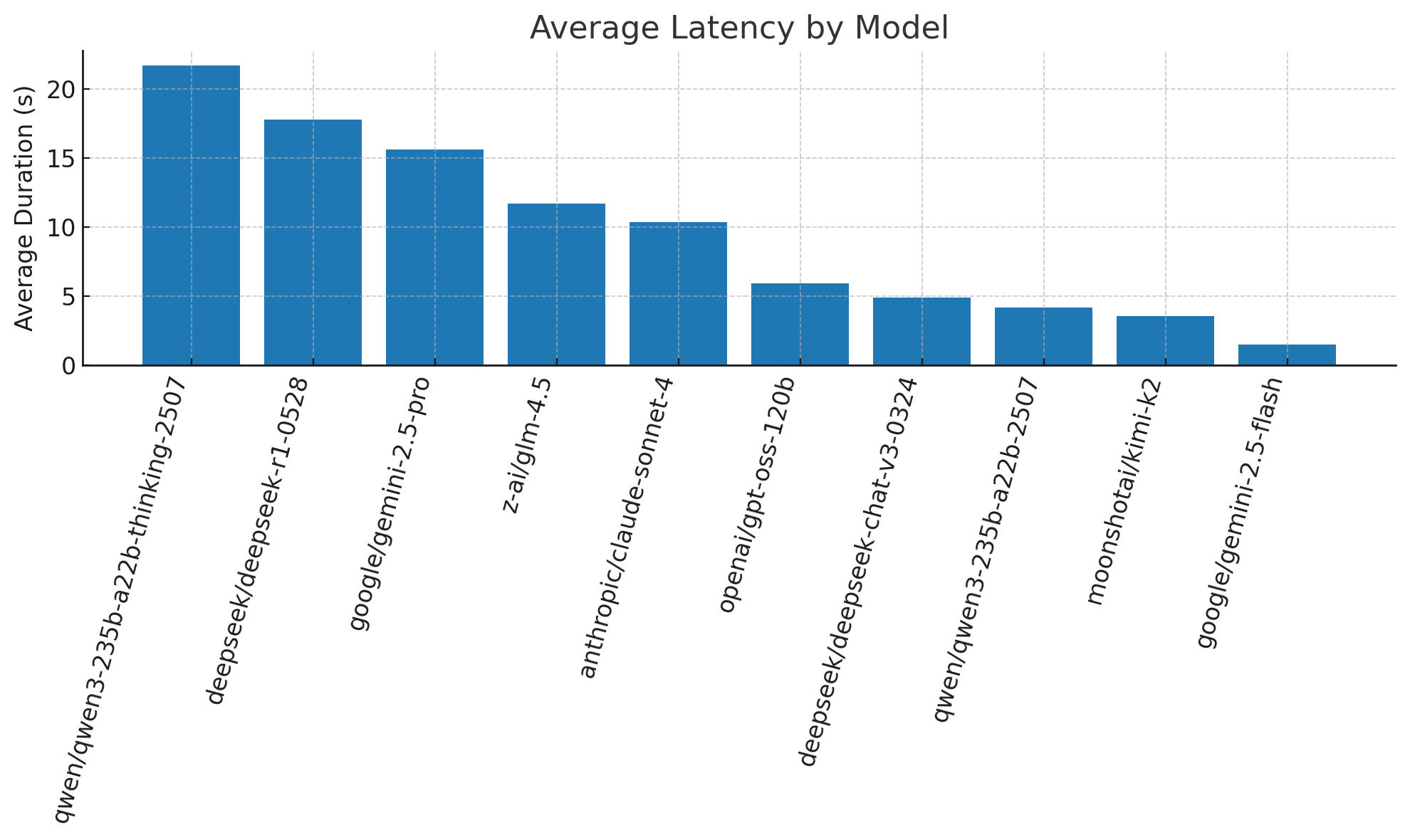
Practical Evaluation of Large Language Models for Everyday Programming and Technical Tasks
The author conducted a personal evaluation of large language models (LLMs) for practical, everyday use cases rather than academic benchmarks
 darkcoding.net·10mo ago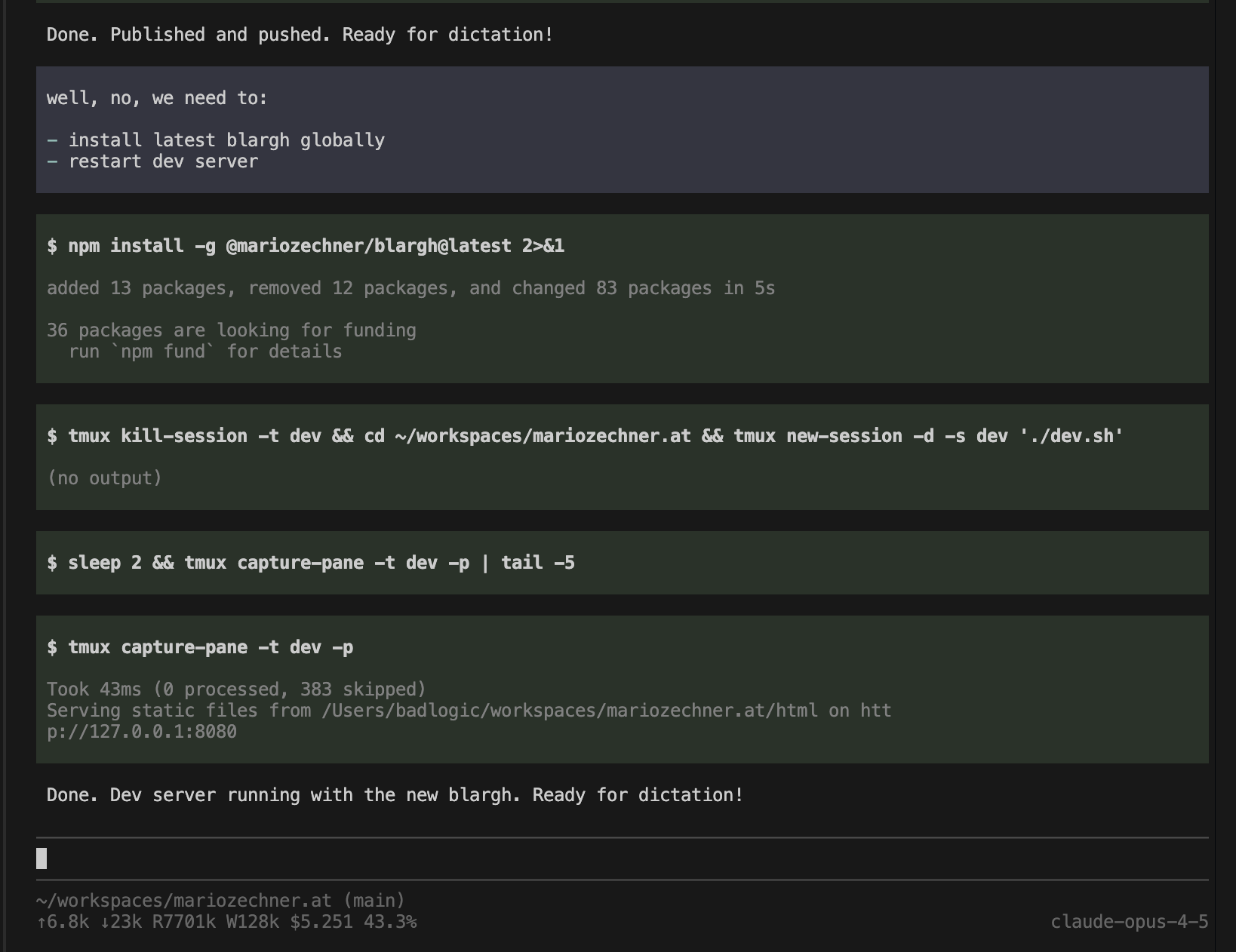
Building a Custom Minimal Coding Agent: Lessons from Three Years of LLM-Assisted Development
The article details the author's three-year journey using various LLM-powered coding assistants, from early ChatGPT usage to modern coding a
Comments
Sign in to join the conversation.
No comments yet. Be the first.