
























Why process and thread callback functions must be fast and non-blocking
By
Raymond Chen
Summary
The article discusses best practices for implementing process and thread-related callback functions in Windows system programming. It explains that these callbacks (invoked during process/thread start/exit, DLL/EXE loading/unloading, and other low-level events) must operate quickly and cannot block, as they are called during critical system sequences like process creation and termination. The content appears to be a technical documentation excerpt or analysis about the rationale behind these restrictions, with the author humorously noting they were trying to circumvent the rules.
Source

 Hacker NewsWhy process and thread callback functions must be fast and non-blockingdevblogs.microsoft.com
Key quotes
· 3 pulledSo far so good. It seems that these callback functions need to operate quickly and cannot block.
These are callbacks that are invoked when a process starts or exits, when a thread starts or exits, when a DLL or EXE is loaded or unloaded, and various other low-level events.
The various prohibitions above suggest that these callouts are called during the process creation/termination sequence, so if you take a long time to deal with them, you are
You might also wanna read


Managing JavaScript Event Listeners With Parameters: Best Practices and Memory Leak Prevention
This article discusses best practices for managing JavaScript event listeners, focusing on how to properly handle event listeners that requi
 Smashing Magazine·11mo ago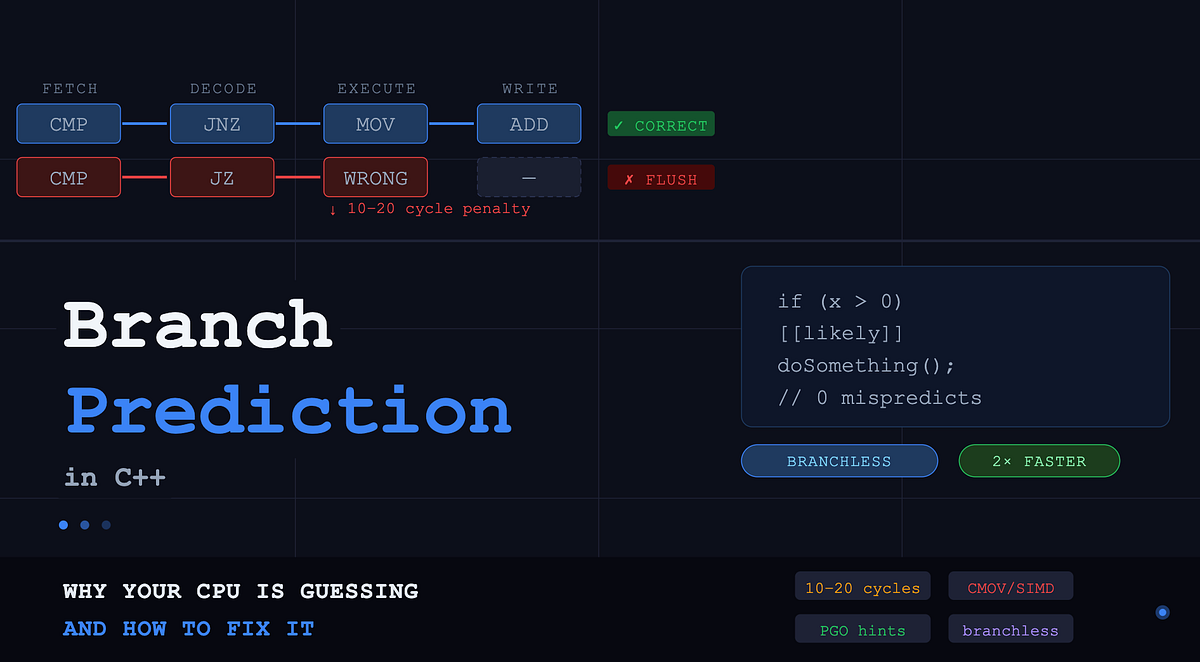
Understanding CPU Branch Prediction and Branchless Programming in C++
This article explains CPU branch prediction in the context of C++ performance optimization. It covers how modern CPUs use pipelining to exec
 towardsdev.com·1d ago
Comments
Sign in to join the conversation.
No comments yet. Be the first.