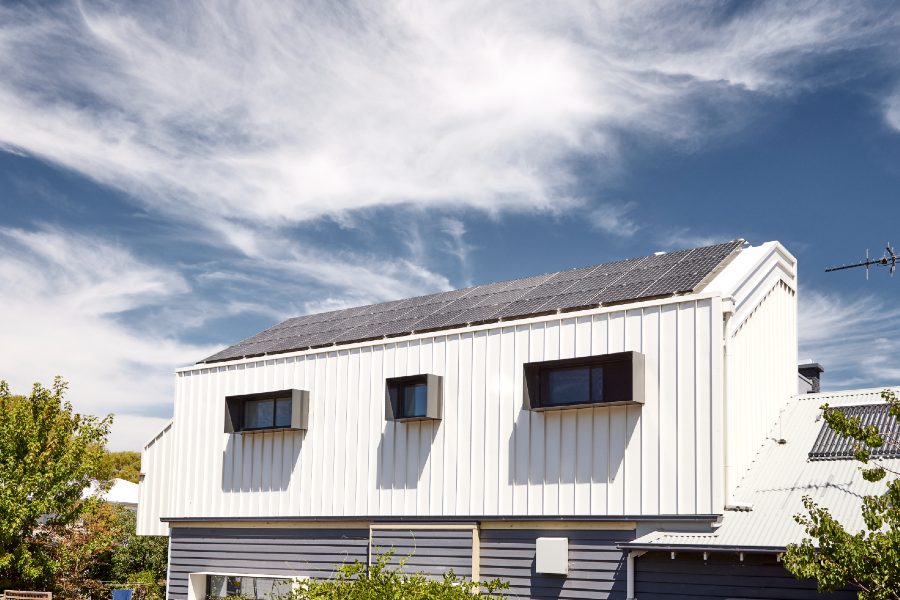
What is Solar Insolation? Complete Beginner Guide to Solar Energy Solar insolation is the amount of sunlight energy received on a surface over time. It plays a critical role in determining solar panel performance and energy generation. Table of Contents What is Solar Insolation Why Solar Insolation Matters How Solar Insolation Works Factors Affecting Insolation Types of Solar Insolation Measurement of Insolation Importance in Solar Systems How to Improve Insolation Future of Solar Energy FAQs What is Solar Insolation? Solar insolation refers to the amount of solar radiation energy received on a specific surface area over a certain period of time. It is one of the most important concepts in solar energy systems and plays a major role in determining how much electricity a solar panel can generate. The term "insolation" comes from the phrase "incoming solar radiation." It measures how much sunlight energy reaches the Earth’s surface. This energy is what solar panels use to produce electricity through photovoltaic technology. Solar insolation is typically measured in kilowatt-hours per square meter per day (kWh/m²/day). This unit tells us how much energy from the sun is received per square meter of surface area each day. For example, if a location receives 5 kWh/m²/day of solar insolation, it means each square meter of surface receives 5 kilowatt-hours of solar energy daily. Higher solar insolation means more available sunlight energy, which results in higher electricity production from solar panels. Why Solar Insolation Matters Solar insolation is one of the most important factors in solar energy generation. It directly affects the performance, efficiency, and output of a solar power system. Understanding solar insolation helps homeowners and businesses determine whether solar energy is suitable for their location. Helps estimate electricity generation Determines solar panel performance Influences system design and size Impacts return on investment Helps choose optimal installation location Regions with higher solar insolation receive more sunlight and are better suited for solar energy systems. In India, states like Rajasthan and Gujarat have high solar insolation levels, making them ideal for solar installations. How Solar Insolation Works The sun continuously emits energy in the form of electromagnetic radiation. When this radiation reaches Earth, it is known as solar radiation. Solar insolation measures how much of this radiation actually reaches the Earth's surface after passing through the atmosphere. As sunlight travels through the atmosphere, some of it is absorbed or scattered by clouds, dust, and gases. The remaining sunlight reaches the surface as usable solar energy. Solar panels capture this energy and convert it into electricity using photovoltaic cells. The more sunlight energy available, the more electricity can be generated. Factors Affecting Solar Insolation Geographic Location Locations near the equator receive more sunlight throughout the year. Time of Day Solar insolation peaks around midday when the sun is directly overhead. Season Summer receives more sunlight compared to winter. Weather Conditions Clouds, pollution, and humidity reduce sunlight intensity. Panel Orientation Proper tilt and direction maximize sunlight exposure. Shading Even small shadows can reduce solar energy production. Types of Solar Insolation Direct Insolation: Sunlight directly reaching the surface. Diffuse Insolation: Scattered sunlight from atmosphere. Reflected Insolation: Sunlight reflected from ground or surfaces. All these components together form total solar radiation available for energy generation. Measurement of Solar Insolation Solar insolation is measured using instruments such as pyranometers. These devices capture solar radiation and calculate energy received per unit area. Measurements are usually expressed in: kWh/m²/day Watts per square meter This data helps engineers design solar systems efficiently. Importance in Solar Panel Systems Solar insolation plays a key role in solar system design and performance. Determines number of panels required Affects electricity output Impacts system efficiency Influences energy savings Higher solar insolation results in better energy production and faster return on investment. How to Improve Solar Insolation Install panels at correct angle Avoid shading Clean panels regularly Use solar tracking systems Choose optimal installation location Proper system design ensures maximum sunlight exposure. Future of Solar Energy and Insolation Advancements in solar technology are improving how efficiently solar panels use available sunlight. Technologies such as bifacial panels, AI-based tracking systems, and better materials are helping improve energy output. In the future, solar energy will become even more efficient and affordable. Frequently Asked Questions What is solar insolation? It is the amount of sunlight energy received on a surface over time. Why is solar insolation important? It determines how much electricity solar panels can generate. What is a good solar insolation value? 4–6 kWh/m²/day is considered good. Does weather affect solar insolation? Yes, clouds and pollution reduce solar radiation.



























 londondaily.news·22d ago
 ecoportal.net·19d ago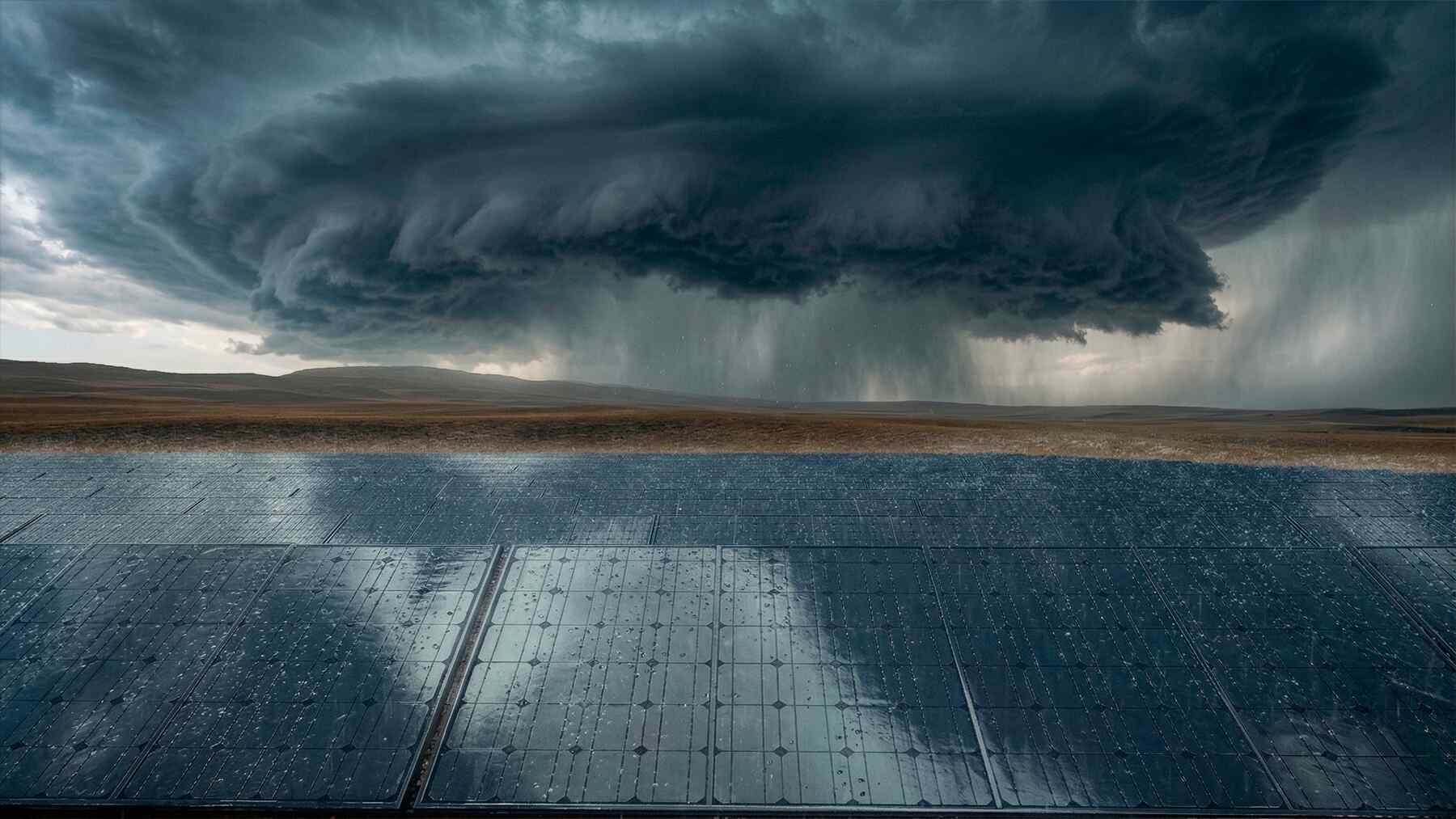
 racv.com.au·1mo ago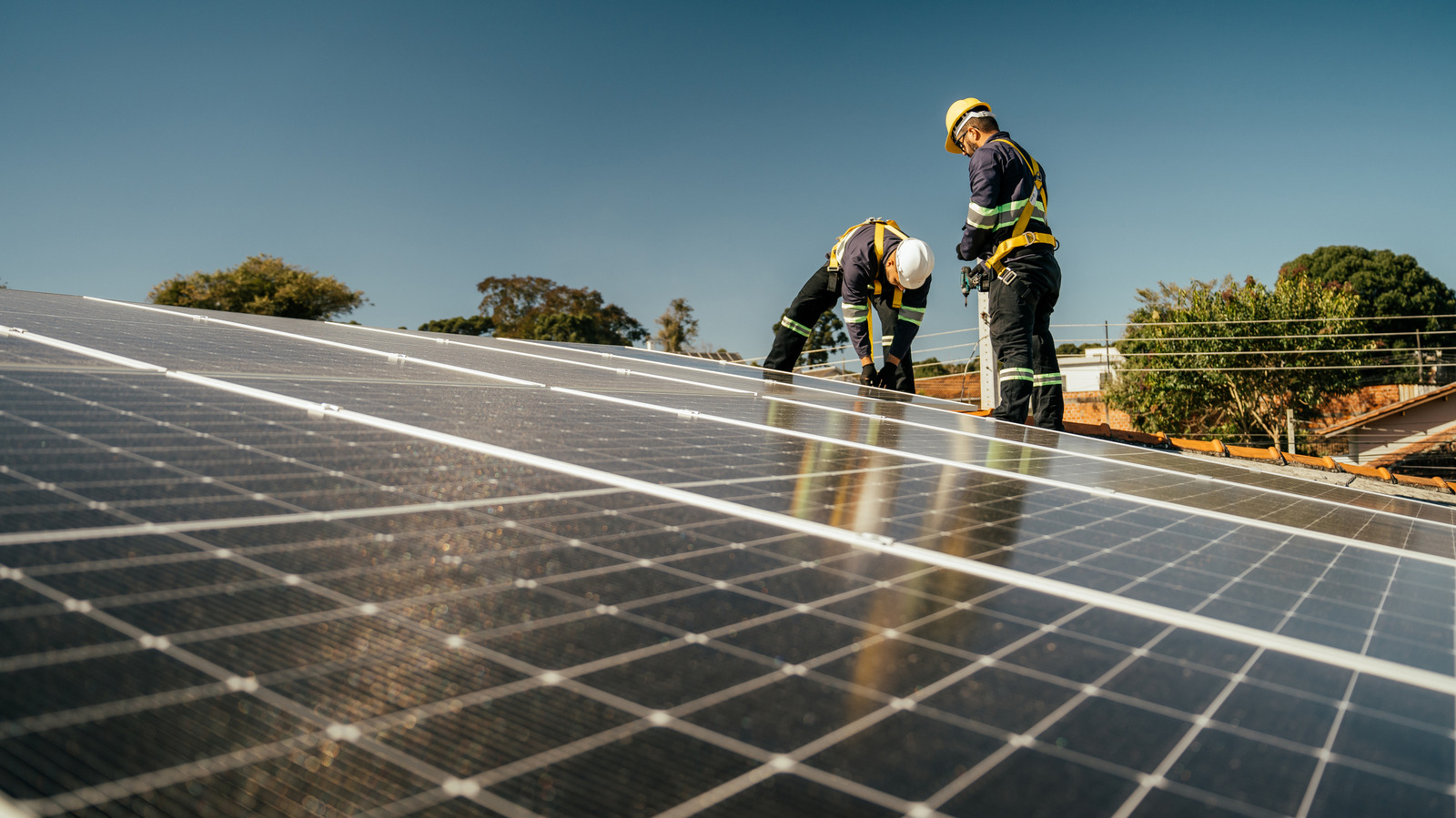
 slashgear.com·1mo ago
 howtogeek.com·15d ago
Comments
Sign in to join the conversation.
No comments yet. Be the first.