
























Why rooftop solar panels can actually perform better under cloudy conditions
By
Bertel King
Summary
The article challenges the common assumption that rooftop solar panels work best in direct sunlight, revealing that many systems actually perform better under cloudy conditions. It explains the technical reasons behind this phenomenon, including how diffuse light and cooler temperatures from cloud cover can improve solar panel efficiency. The piece explores the implications for solar energy adoption and system design, debunking myths about optimal solar conditions.
Source
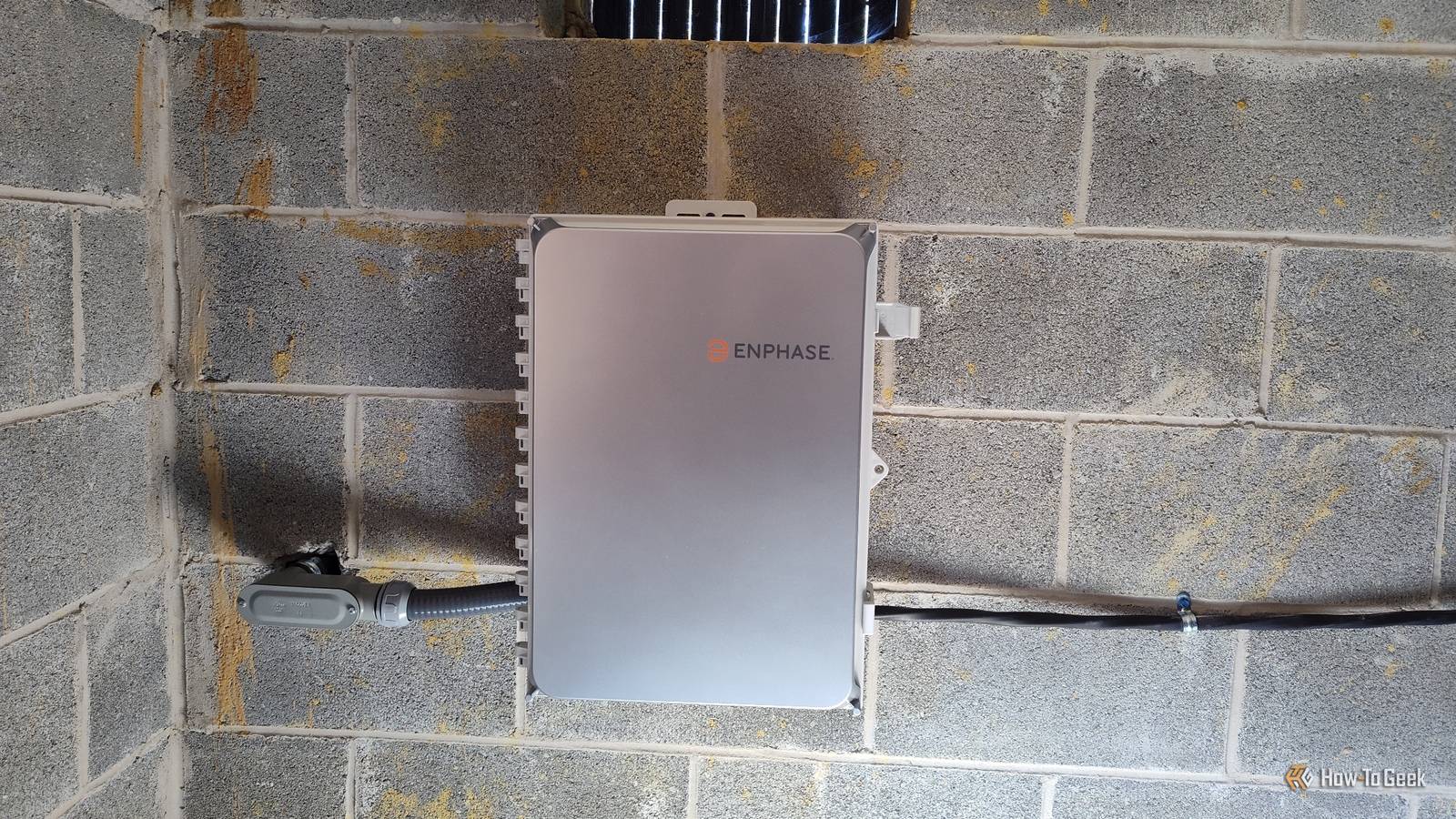
 bskyWhy rooftop solar panels can actually perform better under cloudy conditionsift.tt
Key quotes
· 3 pulledMost systems actually need clouds to operate at peak efficiency.
The conventional wisdom that solar panels need blazing sun is fundamentally misunderstood.
Cloud cover creates a diffuse light effect that can actually boost energy capture in certain configurations.
You might also wanna read

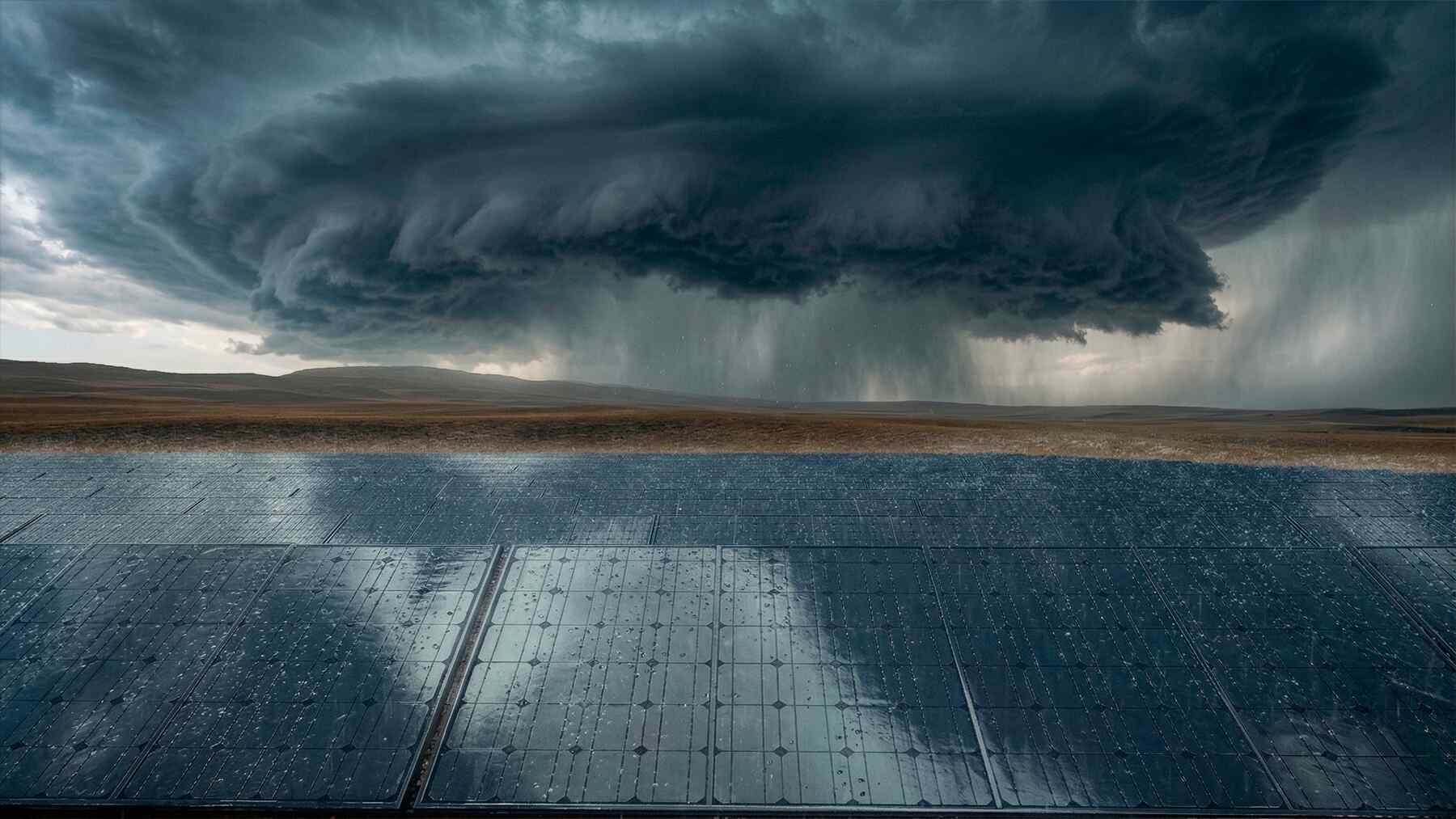
Study Finds Solar Panels Create Rainfall Clouds and Oases in Desert Environments
A recent study reveals that solar panels in desert environments are creating unexpected ecological benefits beyond clean energy production.
 ecoportal.net·2mo ago
Study Reveals Climate Benefits of Increased Solar Power Generation in the U.S.
Researchers from Rutgers, Harvard T.H. Chan School of Public Health, and Stony Brook University used computational modeling to demonstrate t
 rutgers.edu·10mo ago
Understanding How Life Contributes to Cloud Formation for Climate Science Improvement
Scientists are beginning to understand how life contributes to cloud formation, potentially improving climate science. Plants, plankton, and
smithsonianmag.com·11mo agoComments
Sign in to join the conversation.
No comments yet. Be the first.