
























Understanding Type 7 Unfocused Anxiety and Depression: Symptoms, Brain Patterns, and Treatment Approaches
By
Amen Clinics
Summary
This article from Amen Clinics describes Type 7 (Unfocused Anxiety and Depression), a brain-based subtype where emotional distress coexists with cognitive fog, distractibility, and inattention. It explains the brain patterns associated with this condition, common misdiagnoses (such as ADHD or high-functioning anxiety), and offers support strategies. The piece emphasizes the importance of functional brain imaging for accurate diagnosis and tailored treatment approaches.
Source

 Twitter / XUnderstanding Type 7 Unfocused Anxiety and Depression: Symptoms, Brain Patterns, and Treatment Approachesamenclinics.com
Key quotes
· 4 pulledType 7 (unfocused anxiety and depression) is a specific brain-based subtype in which emotional distress blends with cognitive fog, distractibility, and inconsistent attention.
It's the pattern that makes your mind feel too busy and not engaged enough at the same time.
Unfortunately, people with Type 7 are often misdiagnosed with attention-deficit hyperactivity disorder, high-functioning anxiety, or treated only for depression.
Without looking at functional brain imaging, most mental health
You might also wanna read

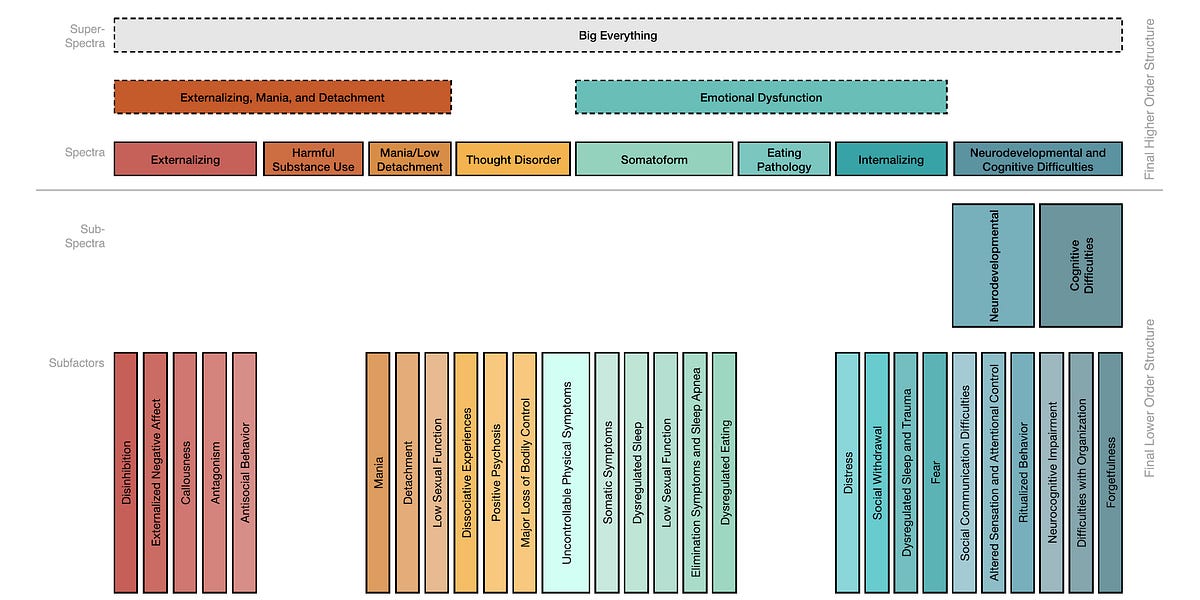
Statistical Analysis Reveals DSM-5 Disorders Don't Align with Natural Symptom Clusters
A groundbreaking study published in Clinical Psychological Science uses statistical clustering methods to analyze DSM-5 psychiatric symptoms
 psychiatrymargins.com·9mo ago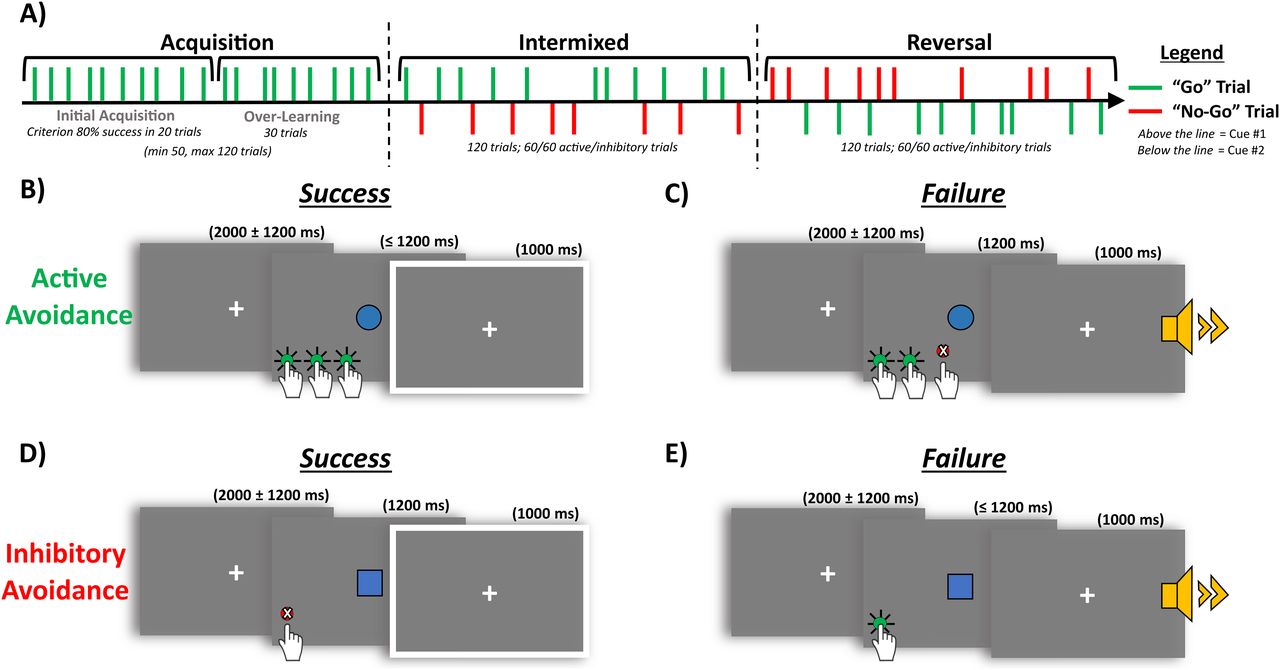
Research Links Depression to Reduced Ability to Learn Active Avoidance Behaviors in Young Adults
This research article presents findings from two studies examining the relationship between depressive symptoms and avoidance behaviors in y
 eneuro.org·9mo ago
Large longitudinal study examines delayed cortical thinning as biomarker for attention problems, highlighting sex differences in youth
This study examines whether delayed age-related cortical thinning is a reliable biomarker for attention problems and ADHD in youth. Using a
 pnas.org·1mo ago
A Collection of Chronic Medical Conditions Common in Autistic and ADHD Adults [pdf]

¿Pueden los hábitos saludables reducir el riesgo de demencia? Qué dice la evidencia científica

Living with Undiagnosed ADHD: Task Paralysis, Career Hopping, and the Search for Novelty
The article explores the author's personal struggle with undiagnosed ADHD and task paralysis, describing how they change roles every 2-3 yea
g5t.de·1mo ago
Comments
Sign in to join the conversation.
No comments yet. Be the first.