
























UC Berkeley Researchers Develop Tiny Device to Detect Food Contamination
A team at UC Berkeley has developed a tiny, low-cost device that can detect food contamination and help prevent food-borne illnesses, which affect over 850 million people annually and cause 1.5 million deaths worldwide. The device aims to replace the unreliable "sniff test" with a more accurate, technology-driven approach to food safety.
Key quotes
It's estimated that more than 850 million people fall ill every year after eating contaminated foods, resulting in over 1.5 million annual deaths, according to the World Health Organization (WHO).
And although technology has commandeered most aspects of daily life, our go-to food safety practice is still a quick, perfunctory sniff test to determine the freshness of yesterday's leftovers.
If you wind up with an upset tummy after eating some questionable food, you're probably one of the lucky ones.
From the article
You might also wanna read


With AI, researchers discover new way to detect sudden cardiac death risk
Caltech Researchers Announce Smart Capsule to Measure GI Tract Health
UC Irvine Study: Indoor Surfaces Absorb Harmful Chemicals for Up to a Year
A UC Irvine-led study published in PNAS reveals that indoor surfaces act as powerful absorbers of volatile organic compounds (VOCs), retaini
 news.uci.edu·9mo ago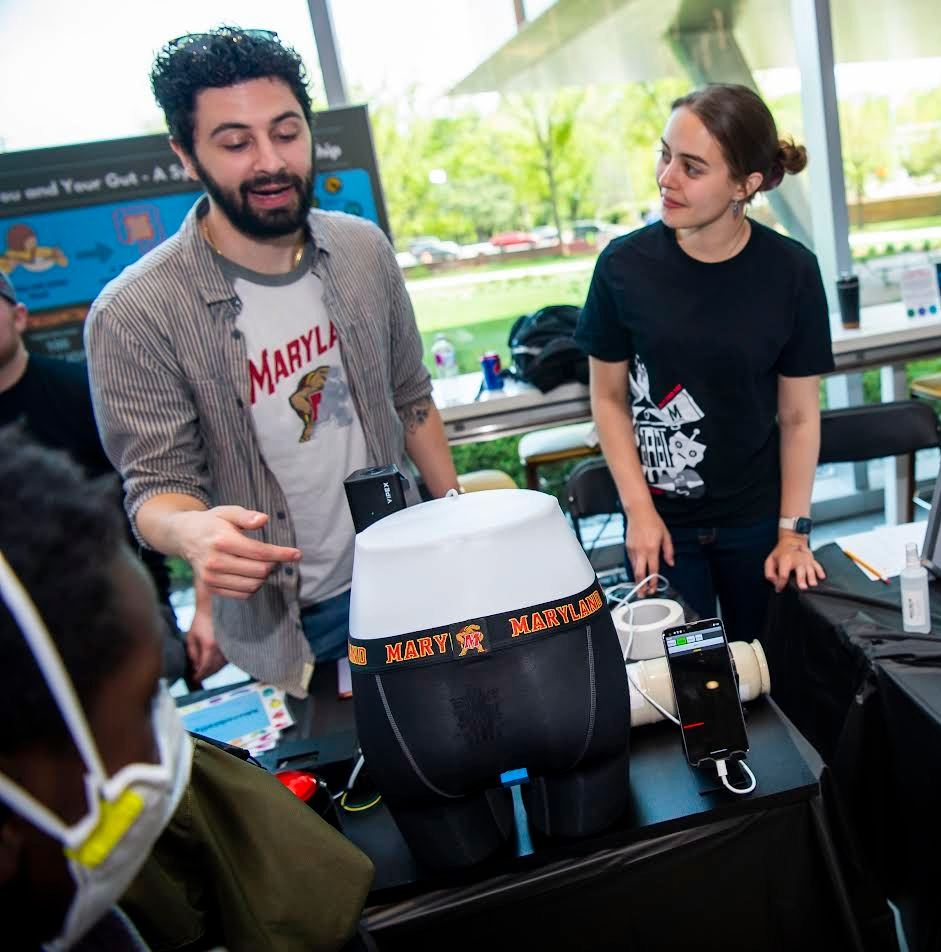
University of Maryland Researchers Develop Smart Underwear to Measure Human Flatulence
University of Maryland scientists have developed 'Smart Underwear,' a wearable device that measures human flatulence by tracking hydrogen in
 cbmg.umd.edu·3mo ago
When to throw away leftovers: the science of food spoilage and refrigeration
This article explains the science behind food spoilage and food safety, focusing on how temperature controls microbial growth. It covers how
 universal-sci.com·13d ago
Comments
Sign in to join the conversation.
No comments yet. Be the first.