
























How to Identify Common Bug Bites and Stings: A Visual Guide
By
Written by Laura J. Martin, MD
Summary
This WebMD slideshow article provides a visual guide to identifying various bugs (ticks, spiders, fleas, chiggers, bees, lice, etc.) and their bites or stings. It covers how to recognize different types of bites, which insects carry diseases (such as Lyme disease from ticks or venomous reactions from spiders), and offers practical advice on prevention and relief. The content is educational and health-focused, aimed at helping readers identify and respond to bug bites encountered outdoors or at home.
Source
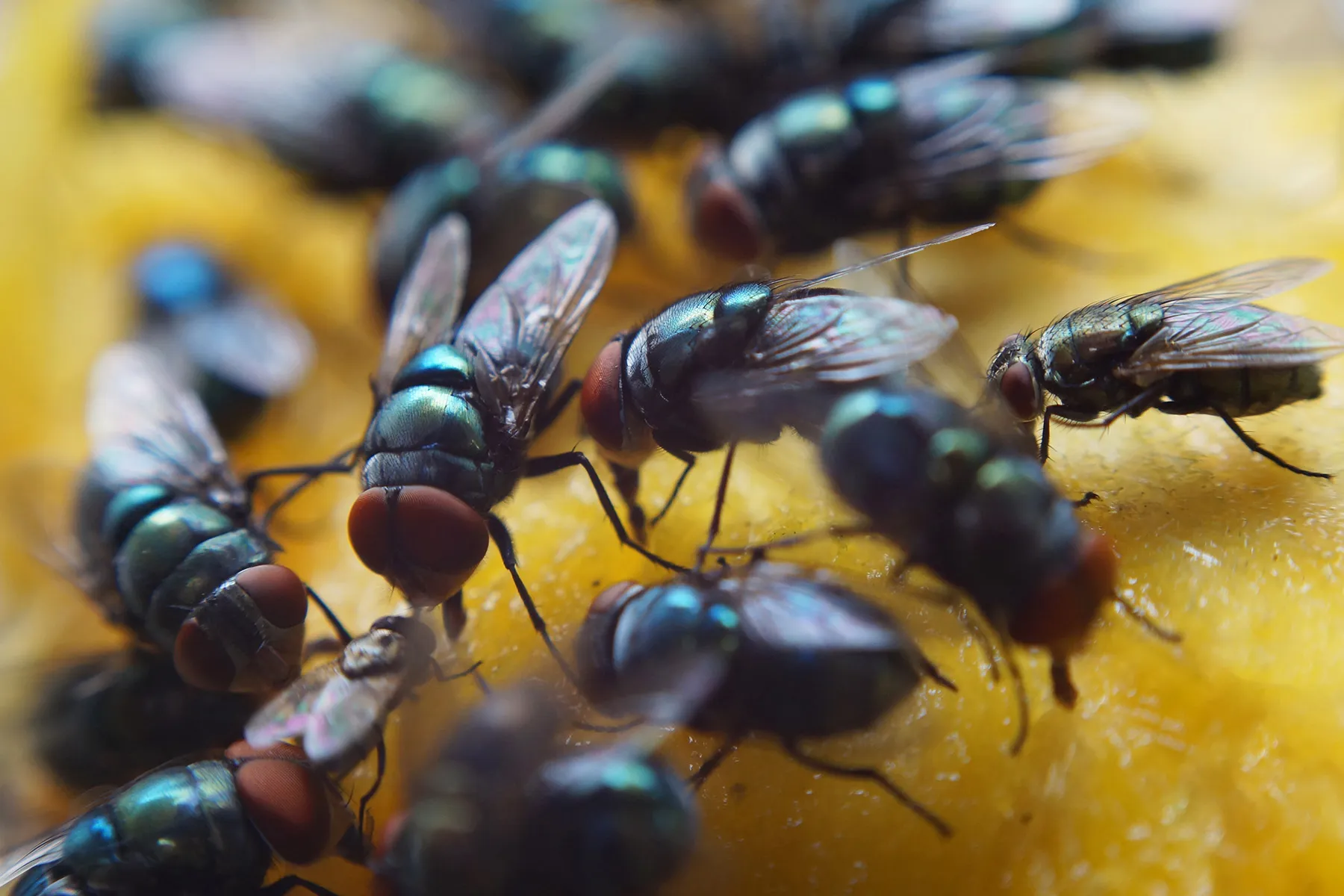
 Twitter / XHow to Identify Common Bug Bites and Stings: A Visual Guidewb.md
Key quotes
· 3 pulledTicks don't always carry diseases, and most bites are not serious.
Once a tick latches onto skin, it often moves to the warm, moist armpits and groin -- feeding on blood and passing on any disease it carries.
A tick bite can also trigger an allergic reaction.
You might also wanna read

BugPic: Instant Insect Identification App
BugPic is an app that allows users to identify insects instantly by taking a photo, providing details such as species, bite potential, habit
Product Hunt·11mo ago

Lyme Disease Prevention: Understanding Tick Risks and Public Health Measures
This article discusses Lyme disease prevention, focusing on the risks posed by ticks in outdoor areas like wooded regions and tall grasses.
 ottawapublichealth.ca·1mo ago
An overview of tick-borne diseases in Europe: TBE and Lyme borreliosis
Ticks are abundant in European woodlands from spring to autumn and can transmit diseases like tick-borne encephalitis (TBE) and Lyme borreli
 ecdc.europa.eu·11d ago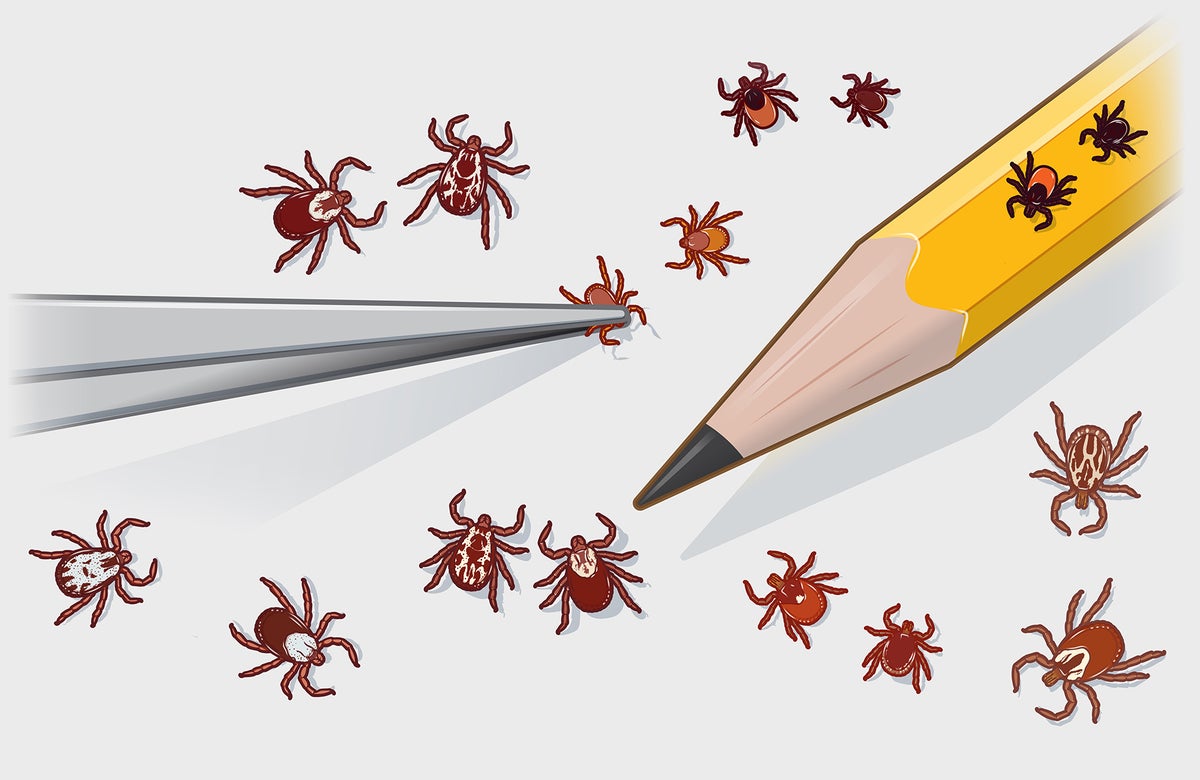
Tick bites surge across U.S.: CDC data shows highest ER visit rates since 2017
Tick season is severe across the U.S., with ER visits for tick bites at their highest since 2017 in the Midwest and trending above recent ye
 scientificamerican.com·14d ago
Tick bites surge across U.S.: CDC data shows highest ER visit rates since 2017
Tick season is severe across the U.S., with ER visits for tick bites at their highest since 2017 in the Midwest and trending above recent ye
scientificamerican.com·14d ago
Why scratching a mosquito bite makes it so much worse, according to science
Comments
Sign in to join the conversation.
No comments yet. Be the first.