
























An overview of tick-borne diseases in Europe: TBE and Lyme borreliosis
Summary
Ticks are abundant in European woodlands from spring to autumn and can transmit diseases like tick-borne encephalitis (TBE) and Lyme borreliosis when infected with viruses or bacteria through their bites.
Source

 bskyAn overview of tick-borne diseases in Europe: TBE and Lyme borreliosisecdc.europa.eu
Key quotes
· 3 pulledTicks are abundant in woodlands all across Europe from early spring to late autumn.
Ticks themselves do not cause disease but if a tick is infected with a virus or bacterium, then that pathogen can be transmitted through the tick's bite and cause disease in humans.
Tick-borne encephalitis (TBE) is a common tick-borne disease in Europe (along with Lyme borreliosis).
You might also wanna read

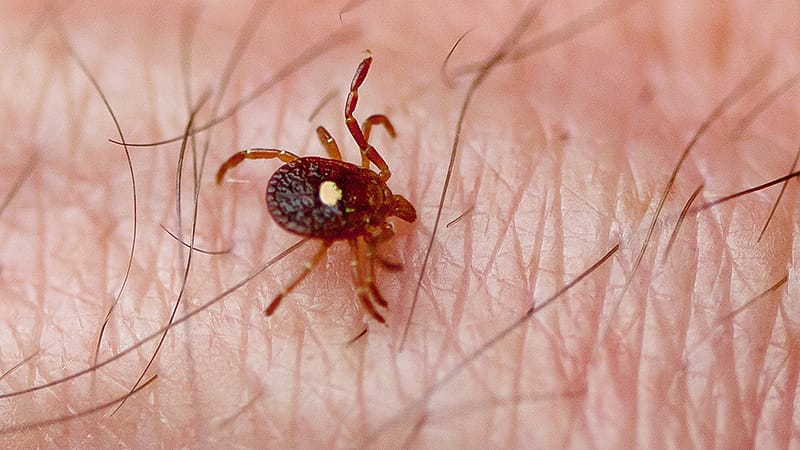
Warmer Canadian summer expected to fuel tick activity and complicate diagnoses
Environment and Climate Change Canada predicts warmer-than-normal summer temperatures, which combined with above-normal snowpack that protec
 mdsc.pe·2d ago
:max_bytes(150000):strip_icc():focal(740x430:742x432)/Brie-hyde-5826-06c0e8a0e8974e00bf4b0d810a9d0cd4.jpg)
Dairy Farmer Misdiagnosed with Lyme Disease for Years Before Receiving Correct Diagnosis
A dairy farmer named Brianne 'Brie' Hyde, 47, experienced overwhelming fatigue, severe joint pain, and low-grade fevers for years. She initi
 People.com·1mo ago
California Resident Contracts Bubonic Plague From Flea Bite While Camping
A California resident has tested positive for bubonic plague, likely contracted from a flea bite while camping. Local health officials are u
 The Onion·10mo ago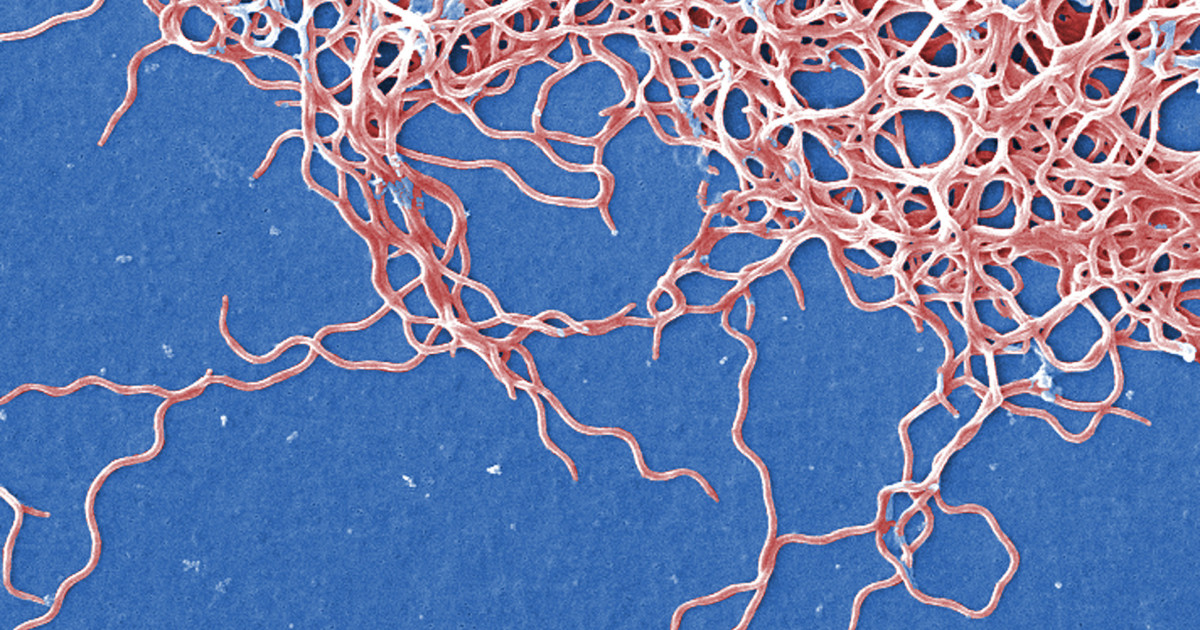
Study Finds Manganese Balance is Crucial for Lyme Disease Bacterium Survival
A new study reveals that the Lyme disease bacterium Borrelia burgdorferi relies on manganese as a 'double-edged sword' - the bacteria need m
 news.northwestern.edu·7mo ago
Ancient DNA confirms Yersinia pestis caused the Black Death
In 2011, geneticists recovered centuries-old DNA from teeth buried in a medieval London cemetery (East Smithfield). They isolated genetic ma
 economist.com·9d ago
Ancient DNA from London cemetery confirms Black Death was caused by Yersinia pestis plague
Geneticists recovered centuries-old DNA from plague victims buried in a medieval London cemetery (East Smithfield). By isolating Yersinia pe
economist.com·7d ago
Comments
Sign in to join the conversation.
No comments yet. Be the first.