
























Lucy's Legacy: How a 3.2 Million-Year-Old Skeleton Continues to Shape Our Understanding of Humanity
By
Peter C. Kjærgaard
Summary
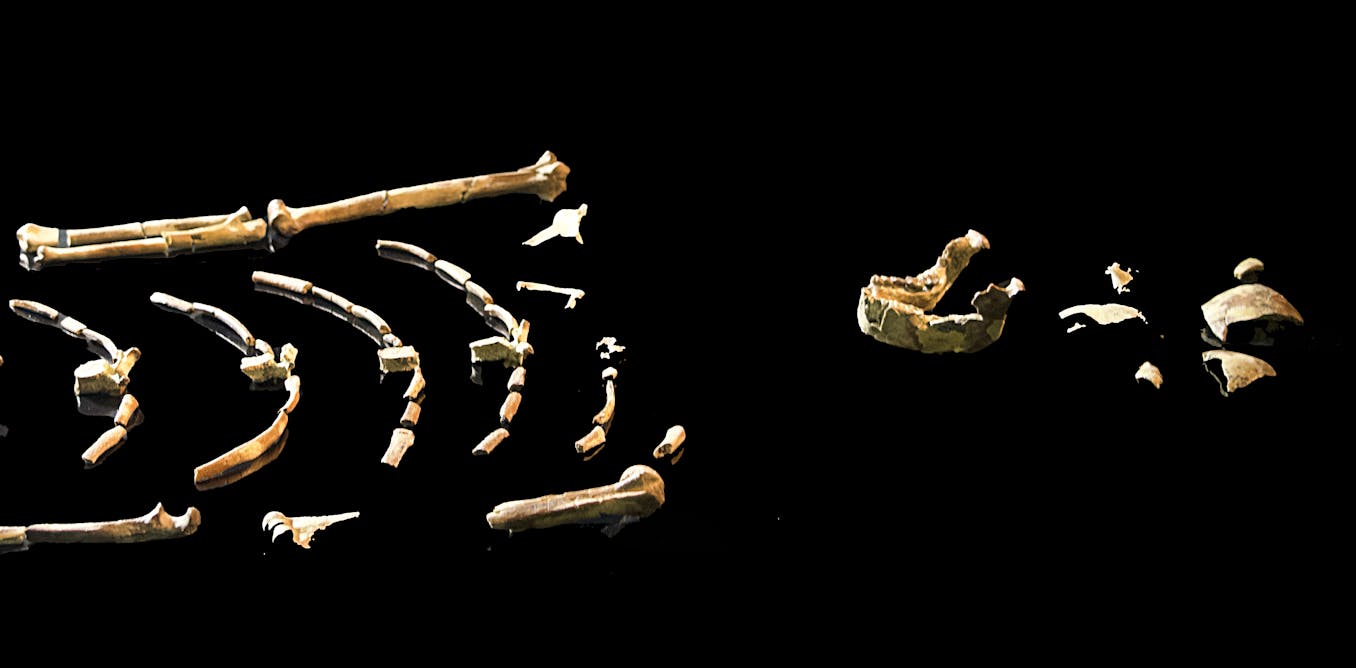
The article explores the profound impact of Lucy, the 3.2 million-year-old Australopithecus afarensis skeleton discovered in Ethiopia in 1974, on our understanding of human origins. It describes a special gallery at the Natural History Museum Abu Dhabi where Lucy's skeleton is displayed, and reflects on how this ancient hominin has challenged humanity to think deeply about what it means to be human. The piece connects Lucy's landmark journey of walking upright in Africa millions of years ago to another significant journey, weaving together paleoanthropology, museum curation, and philosophical reflection on human evolution.
Source
 bskyLucy's Legacy: How a 3.2 Million-Year-Old Skeleton Continues to Shape Our Understanding of Humanitytcnv.link
Key quotes
· 3 pulledThere is a special gallery inside the Natural History Museum Abu Dhabi where visitors slow down, lower their voices and often fall silent.
Perhaps more than any other ancient relative, Lucy has challenged us to think deeply about what it means to be human.
This remarkably complete specimen of Australopithecus afarensis transformed our understanding of human evolution.
You might also wanna read

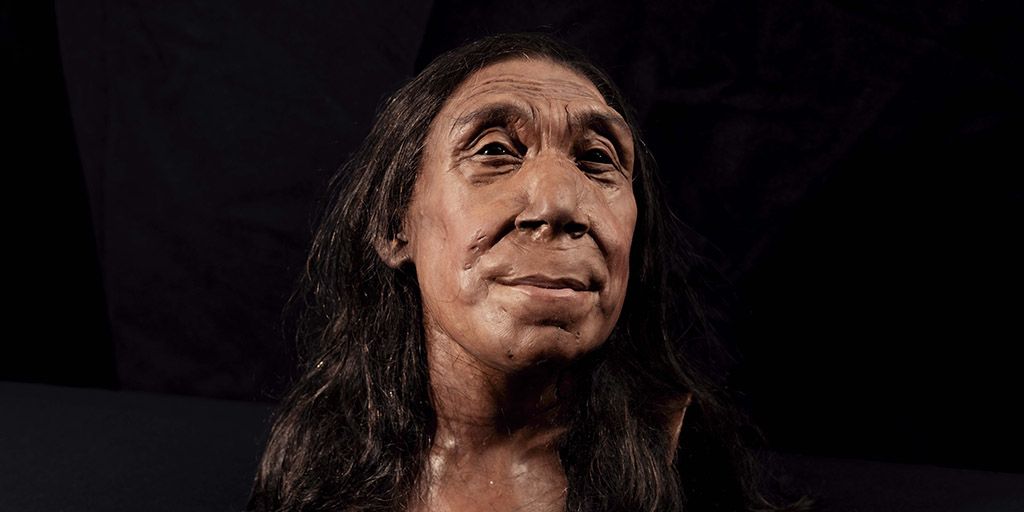
Archaeologists Reconstruct Face of 75,000-Year-Old Female Neanderthal from Iraqi Cave Burial Site
Archaeologists have reconstructed the face of a 75,000-year-old female Neanderthal named Shanidar Z, whose skull was discovered in a cave in
 cam.ac.uk·3mo ago
Million-Year-Old Skull Discovery May Rewrite Timeline of Modern Human Origins
A million-year-old human skull discovered in China, previously classified as Homo erectus, has been reanalyzed using sophisticated reconstru
 theguardian.com·8mo ago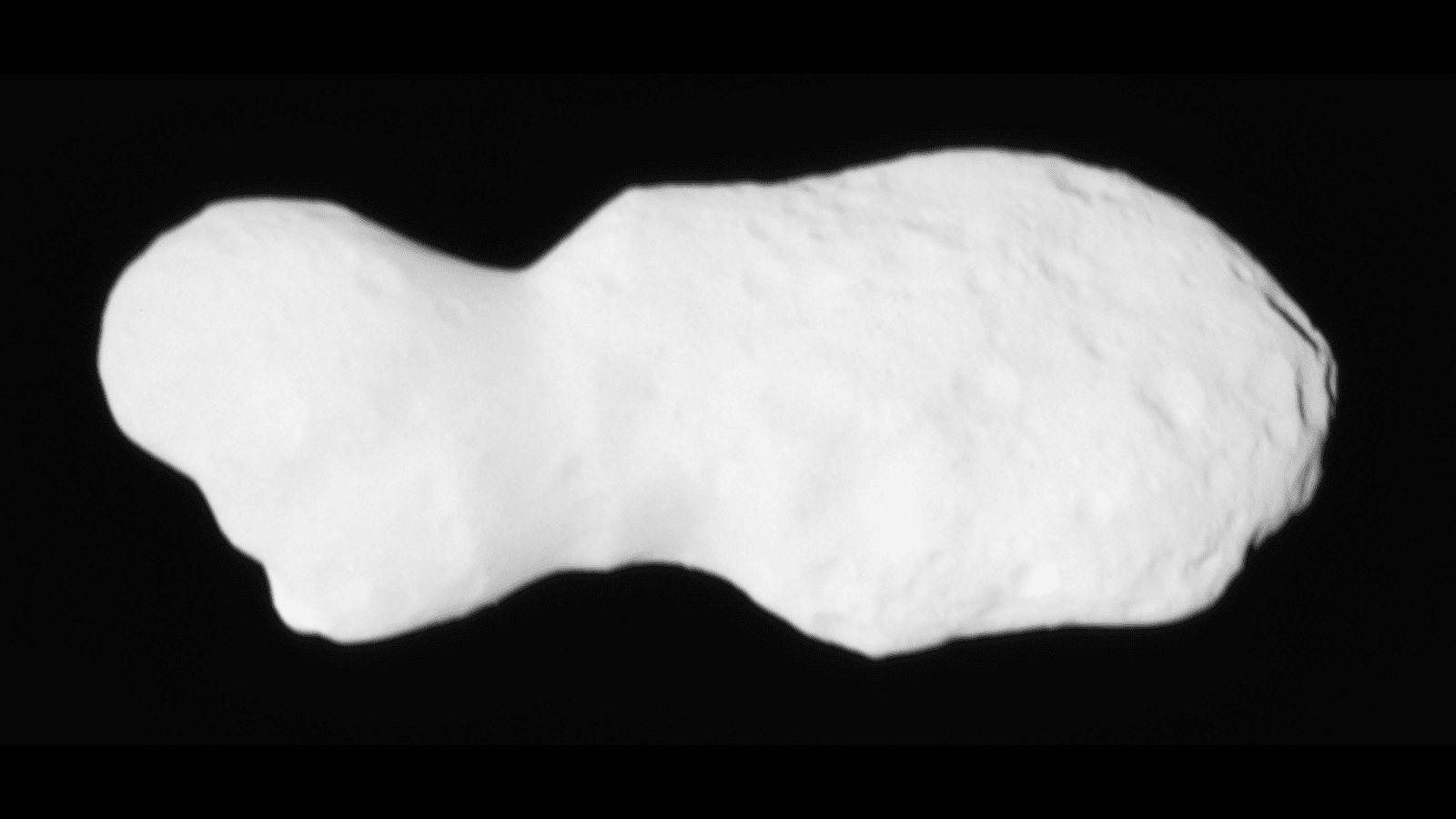
NASA's Lucy spacecraft reveals new details about asteroid Donaldjohanson after April 2025 flyby
NASA's Lucy spacecraft flew past the asteroid Donaldjohanson (nicknamed "DJ") in April 2025 on its way to Jupiter's Trojan asteroids. The as
 space.com·5d ago
Ancient DNA reveals human evolution is a complex network, not a simple branching tree
This article argues that the traditional metaphor of a branching "human family tree" is outdated and misleading. Instead, based on ancient D
 universal-sci.com·7d ago
The Discovery of an Ancient Skull in Chad Sparks a Feud Among Scholars
In 2001, a palaeontologist discovered an ancient skull in Chad, sparking a bitter feud among scholars over humanity's origins. The fossilize
theguardian.com·1y ago
Alice Roberts on human evolution: why our species is not as exceptional as we think
Professor Alice Roberts, a biological anthropologist and broadcaster, discusses human evolution and challenges the notion of human exception
 newscientist.com·1d ago
Comments
Sign in to join the conversation.
No comments yet. Be the first.