
























ThreatMapper: A Self-Hosted AI Platform for Automated MITRE ATT&CK Threat Intelligence
By
Andrey Pautov
Summary
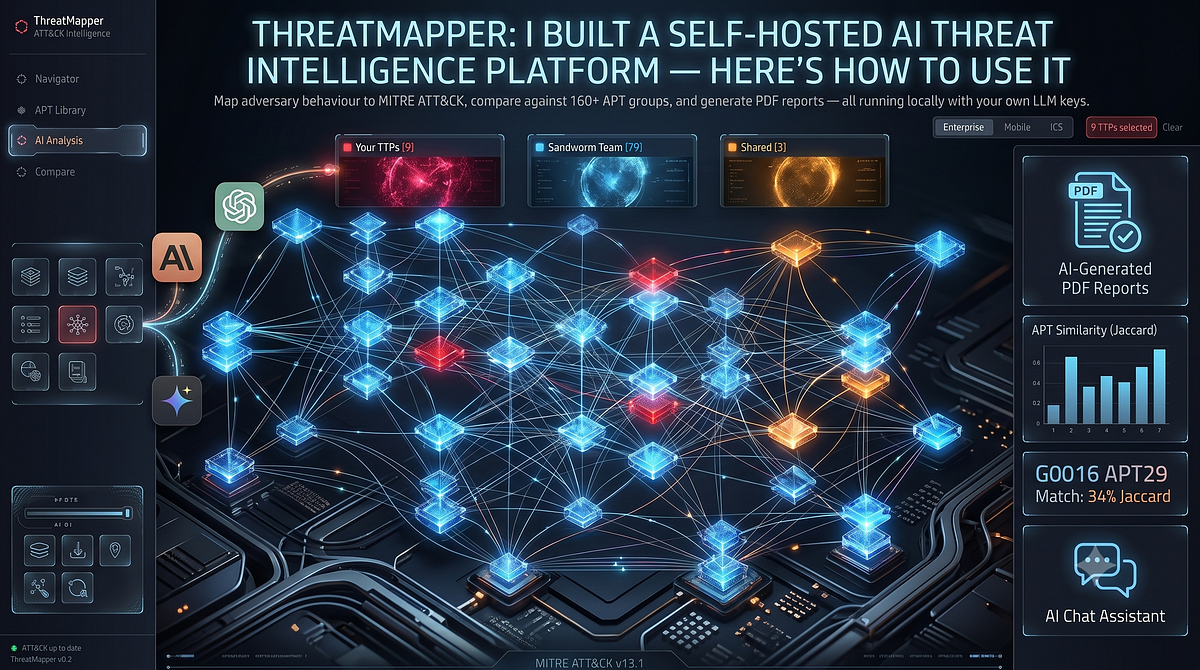
This article introduces ThreatMapper, a self-hosted AI-powered threat intelligence platform that maps adversary behaviors to MITRE ATT&CK framework techniques. It addresses the pain point of manual threat analysis — translating malware reports, IR summaries, or threat feeds into ATT&CK technique IDs — by automating the process using local LLM keys. The tool compares findings against 160+ APT groups and generates PDF reports, all running locally for privacy and control.
Source
 bskyThreatMapper: A Self-Hosted AI Platform for Automated MITRE ATT&CK Threat Intelligenceinfosecwriteups.com
Key quotes
· 3 pulledEvery threat intelligence analyst knows the workflow: you receive a malware report, an IR summary, or a threat feed entry, and you need to translate it into ATT&CK technique IDs so you can slot it into a detection backlog or a purple-team plan.
Doing this manually is slow. You read the report, recognise a behaviour, pull up the ATT&CK website, search for the technique.
Map adversary behaviour to MITRE ATT&CK in seconds, compare against 160+ APT groups, and generate PDF reports — all running locally with your own LLM keys.
You might also wanna read

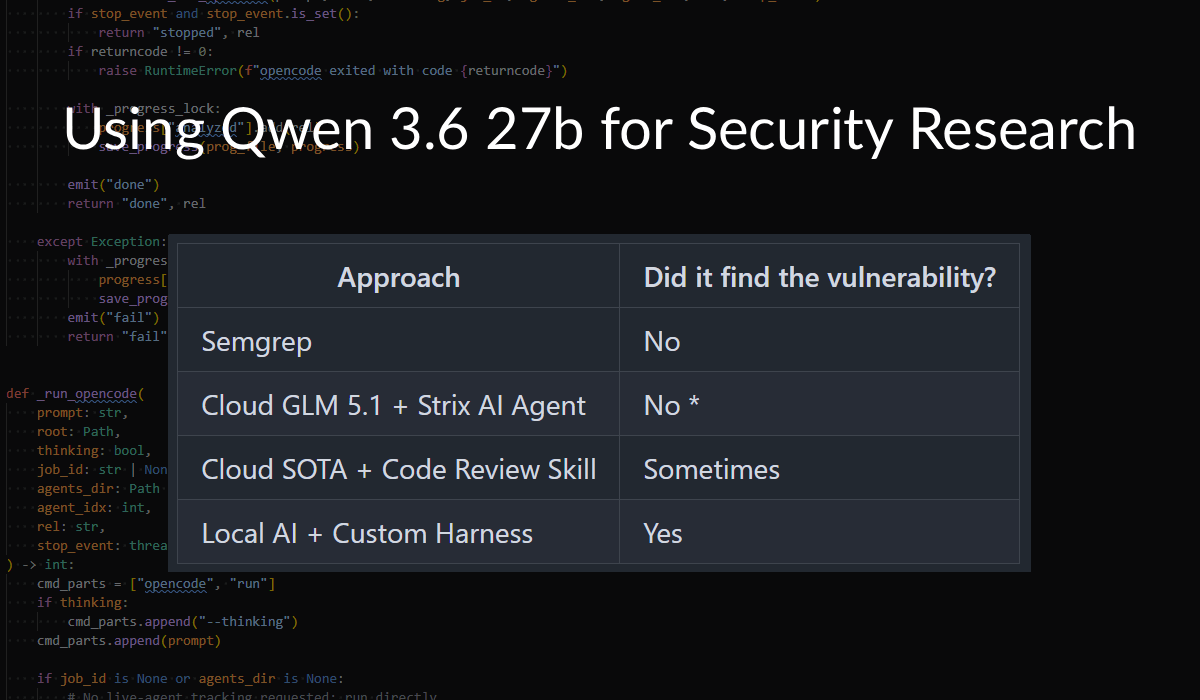
Benchmarking Local AI Models for Cybersecurity Vulnerability Detection
The article evaluates the effectiveness of local AI models for cybersecurity penetration testing and vulnerability research. The author benc
 projectblack.io·6d ago
Building Privacy-Focused Local RAG Systems: Self-Hosted AI Solutions for Data-Sensitive Organizations
The article discusses Skald's approach to building a local RAG (Retrieval-Augmented Generation) system that prioritizes data privacy and sel
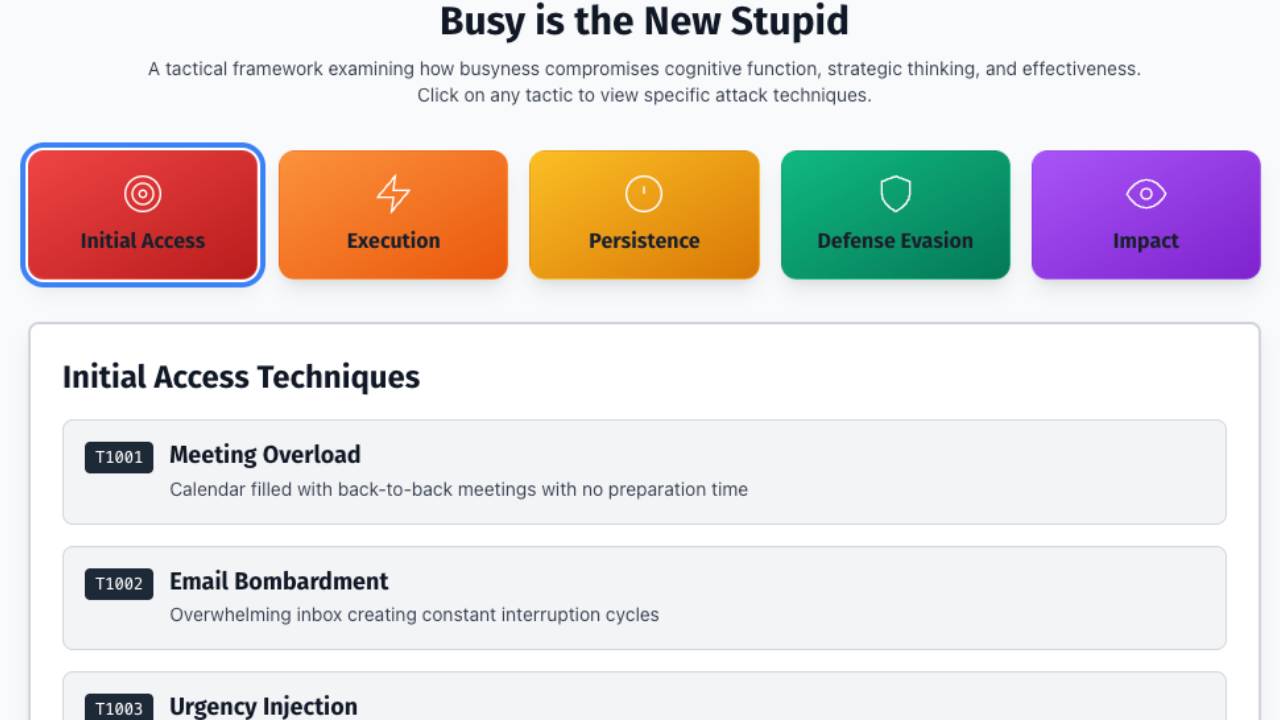
Applying Cybersecurity Frameworks to Productivity: MITRE ATT&CK for Cognitive Threats
The article presents an innovative framework that applies cybersecurity concepts to productivity challenges. It uses the MITRE ATT&CK framew
 cisotradecraft.com·6mo ago
Cross-Trace Verification Protocol: A Framework for Detecting Malicious Code in AI-Generated Programs
Researchers present Cross-Trace Verification Protocol (CTVP), a novel AI control framework for detecting malicious code generated by large l
 arxiv.org·5mo ago
Webctl: Command-Line Browser Automation Tool for AI Agents and Humans
Webctl is a command-line browser automation tool designed for both AI agents and human users. The article argues that CLI-based browser auto
 github.com·5mo ago
Cisco AI Defense Releases MCP Scanner: Python Tool for Security Scanning of Model Context Protocol Servers
The article describes a Python-based security scanning tool called MCP Scanner developed by Cisco AI Defense. The tool is designed to scan M
github.com·8mo ago
Comments
Sign in to join the conversation.
No comments yet. Be the first.