
























Nearly 60 years after Katz v. United States, the Supreme Court still debates what counts as reasonable privacy
This article examines the enduring legacy of the 1967 Supreme Court case Katz v. United States, which established the "reasonable expectation of privacy" standard for Fourth Amendment protections. Nearly 60 years later, the Court's June 29 decision in Chatrie v. United States shows that debates over privacy in the digital age continue to divide the justices. The piece traces the history of Katz — a college basketball handicapper whose phone booth wiretapping case reshaped constitutional privacy law — and explores how modern technology challenges the framework the Court created in a pre-digital era.
Key quotes
When he was arrested in 1965, Charles Katz 'was probably the preeminent college basketball handicapper in America.'
The Court's 1967 decision in Katz v. United States, which held that the Constitution's prohibition of 'unreasonable searches and seizures' applies when people have a 'reasonable expectation of privacy,' continues to shape Fourth Amendment rulings six decades later.
From the article
You might also wanna read


Supreme Court's Chatrie Decision Extends Fourth Amendment Protection to Location Data, Raising Stakes for Digital Privacy and Data Governance

Supreme Court's Chatrie Case Challenges Third-Party Doctrine on Geofence Warrants and Location Data
The Supreme Court's decision in Chatrie vs US brings renewed scrutiny to the third-party doctrine as applied to geofence warrants and modern
 luma.com·8d ago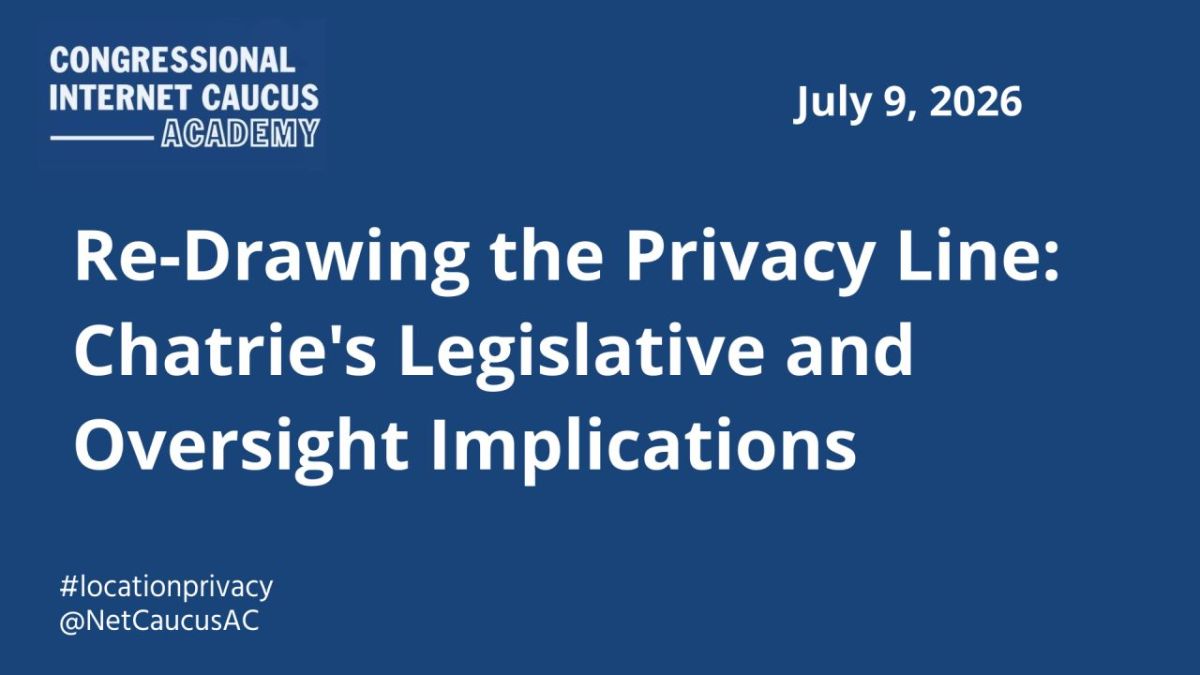
Congressional Internet Caucus to Host Event on Supreme Court's Chatrie Privacy Ruling
The Congressional Internet Caucus Academy is hosting a lunch event on 9 July 2026 about the Supreme Court's landmark Chatrie decision, which
 isoc.live·1d ago
Supreme Court Ruling Creates New Opportunities to Challenge Government Data Requests

US Supreme Court rules geofence warrants require Fourth Amendment privacy protections
The US Supreme Court has ruled that geofence warrants — which compel tech companies to provide location data for all devices within a geogra
 theguardian.com·9d ago
Comments
Sign in to join the conversation.
No comments yet. Be the first.