
























US Supreme Court rules geofence warrants require Fourth Amendment privacy protections
By
Sanya Mansoor
Summary
The US Supreme Court has ruled that geofence warrants — which compel tech companies to provide location data for all devices within a geographic area — require Fourth Amendment privacy protections. Justice Elena Kagan authored the majority opinion, affirming that individuals have a reasonable expectation of privacy in their cell phone location records, even in public spaces. The decision is a significant win for privacy advocates who view these warrants as unconstitutional dragnets.
Source

 Hacker NewsUS Supreme Court rules geofence warrants require Fourth Amendment privacy protectionstheguardian.com
Key quotes
· 3 pulledAn individual has a reasonable expectation of privacy in records about his cell phone's location, even in a public area.
The sensitive data scooped up by 'geofence warrants' counts as a fourth amendment search.
This ruling offers individuals a 'reasonable expectation of privacy'.
You might also wanna read

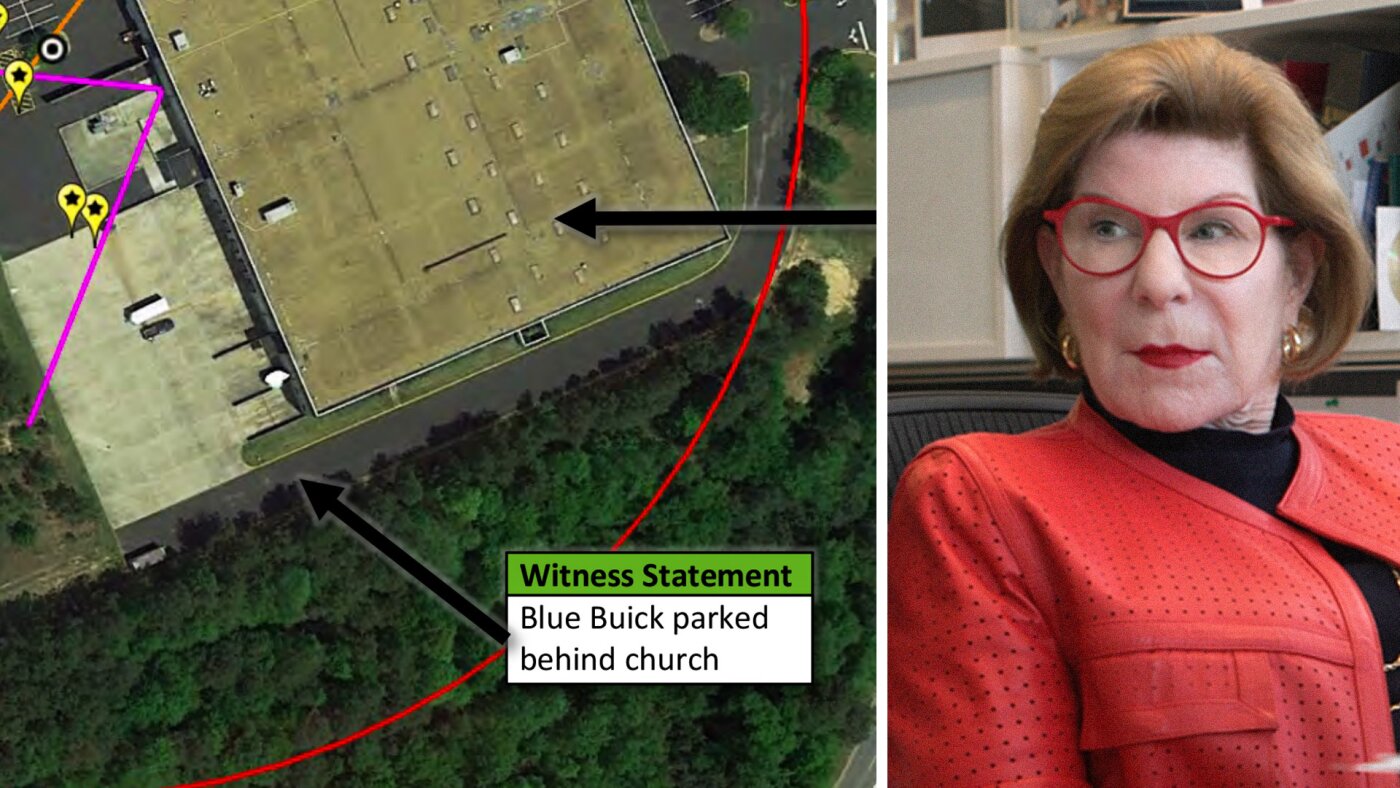
Supreme Court to weigh constitutionality of police geofencing warrants for Google user data
The article discusses how police in Virginia used geofencing technology to compel Google to identify users near a bank robbery scene. The Su
 npr.org·21d ago
Supreme Court upholds FCC's power to enforce telecom data privacy laws in 8-1 ruling
The Supreme Court ruled 8-1 in favor of the Trump administration, upholding the FCC's authority to enforce data privacy laws on telecommunic
 apnews.com·24d ago
FBI Admits Buying Location Data Without Warrants: A Guide to Protecting Your Privacy
The article reports on FBI Director Kash Patel's testimony that the Bureau purchases Americans' location data without a warrant, reversing h
 theramm.transparencycascade.org·15h ago
FBI Admits Buying Location Data Without Warrants: A Guide to Protecting Your Privacy
The article reports on FBI Director Kash Patel's testimony that the Bureau purchases Americans' location data without a warrant, reversing h
theramm.transparencycascade.org·15h ago
Supreme Court upholds FCC authority to enforce data privacy laws on telecom companies in 8-1 ruling
The Supreme Court ruled 8-1 to uphold the Trump administration's position on federal regulation of telecom companies, preserving the FCC's a
 chicagotribune.com·24d ago
How websites track your location even after you block location permissions: IP, Wi-Fi, and cell tower signals
The article discusses how even after blocking location permissions on websites, browsers can still approximate a user's location through thr
 makeuseof.com·15d ago
Supreme Court upholds FCC's $200M fines against AT&T and Verizon for sharing location data without consent
The Supreme Court ruled 8-1 that the FCC acted legally when it fined AT&T and Verizon nearly $200 million for sharing consumers' location da
 therecord.media·25d ago
Comments
Sign in to join the conversation.
No comments yet. Be the first.