

























Summer Solstice 2026: June 21 marks the longest day and start of astronomical summer in the Northern Hemisphere
By
Anthony Wood
Summary
The article announces the summer solstice on June 21, 2026, marking the longest day of the year in the Northern Hemisphere. It explains that the solstice occurred at 4:24 a.m. EDT when Earth's north pole reached its maximum tilt toward the sun. The piece distinguishes between astronomical summer (based on Earth's position relative to the sun) and meteorological summer (based on temperature, running June through August).
Source
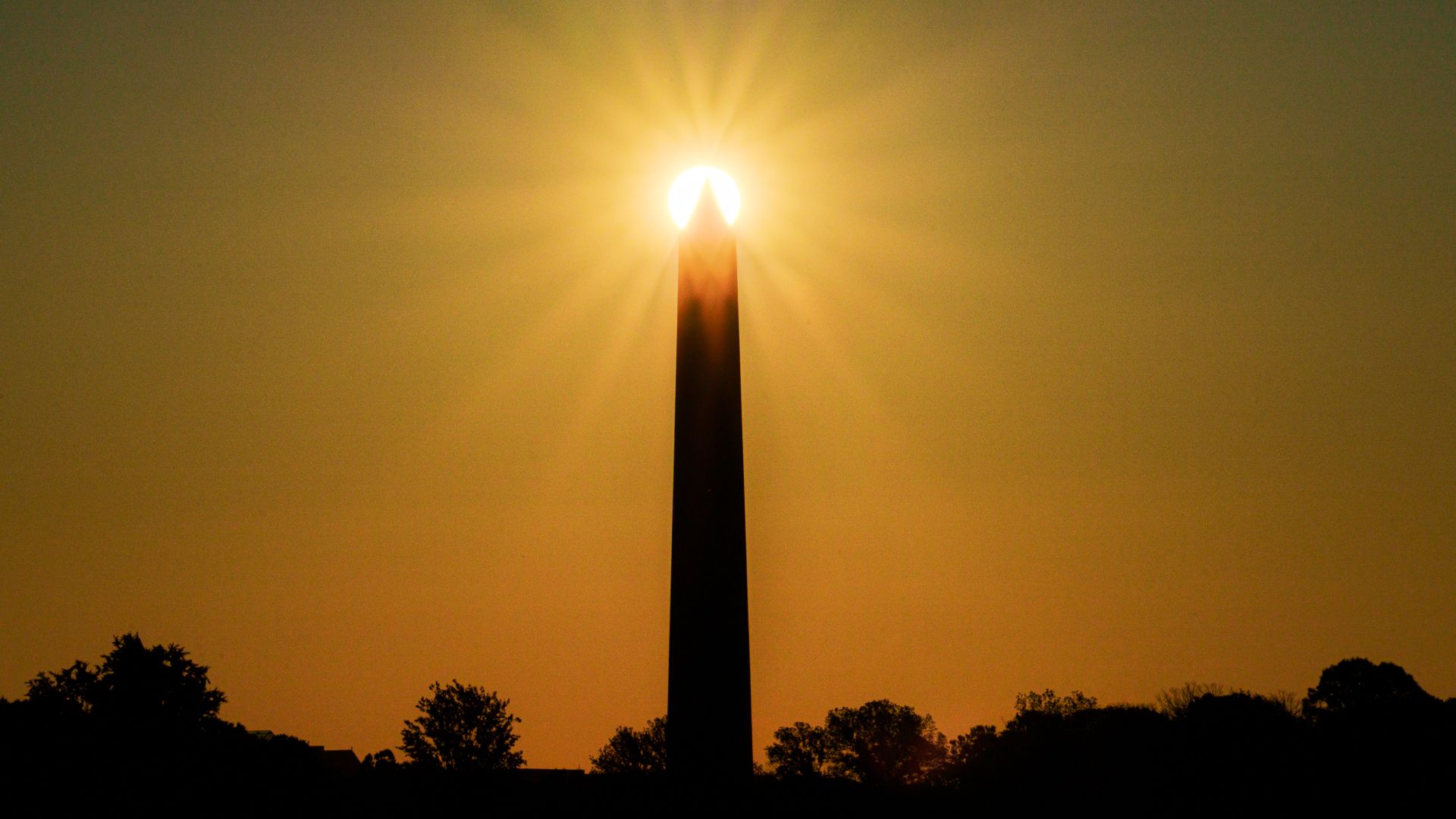
 Twitter / XSummer Solstice 2026: June 21 marks the longest day and start of astronomical summer in the Northern Hemispherespace.com
Key quotes
· 2 pulledThe summer solstice occurred at 4:24 a.m. EDT (0824 GMT) on June 21, as Earth's north pole reached its most extreme tilt towards the sun in its yearly orbit, bathing the northern hemisphere in its light.
June 21 marks the start of astronomical summer, which is calculated based on the position of Earth relative to the sun, as opposed to meteorological summer, which is based on temperature and runs from the beginning of June through to the end of August.
You might also wanna read


Hackaday Links: Summer Solstice Roundup — June 21, 2026
A brief Hackaday Links roundup noting the summer solstice (June 21, 2026) and its implications for daylight hours, with a lighthearted nod t
 hackaday.com·3h ago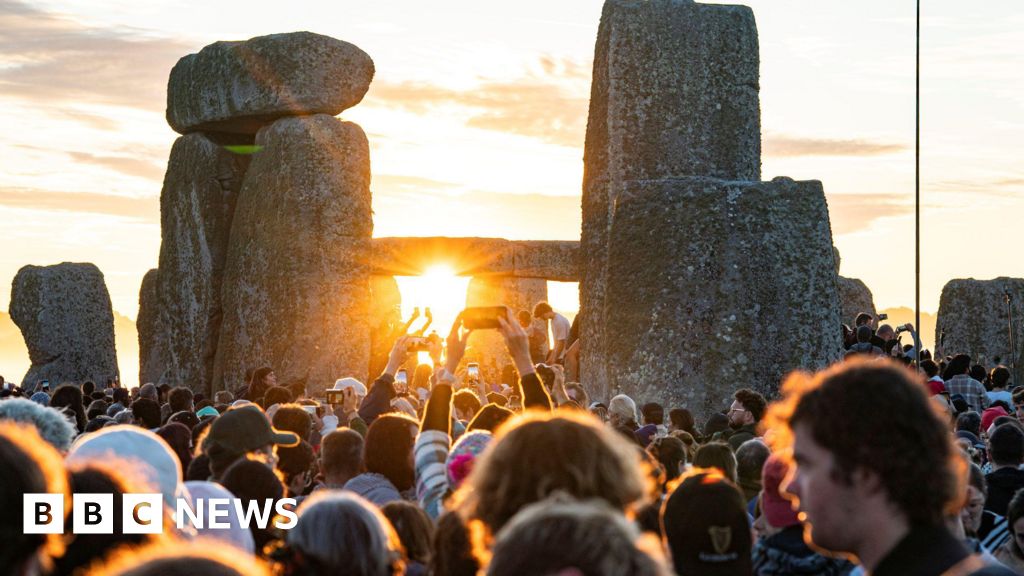
Thousands across the UK gather to celebrate summer solstice sunrise
Thousands gathered across the UK to celebrate the summer solstice, with over 20,000 people at Stonehenge in Wiltshire and others at beaches
 bbc.co.uk·14h ago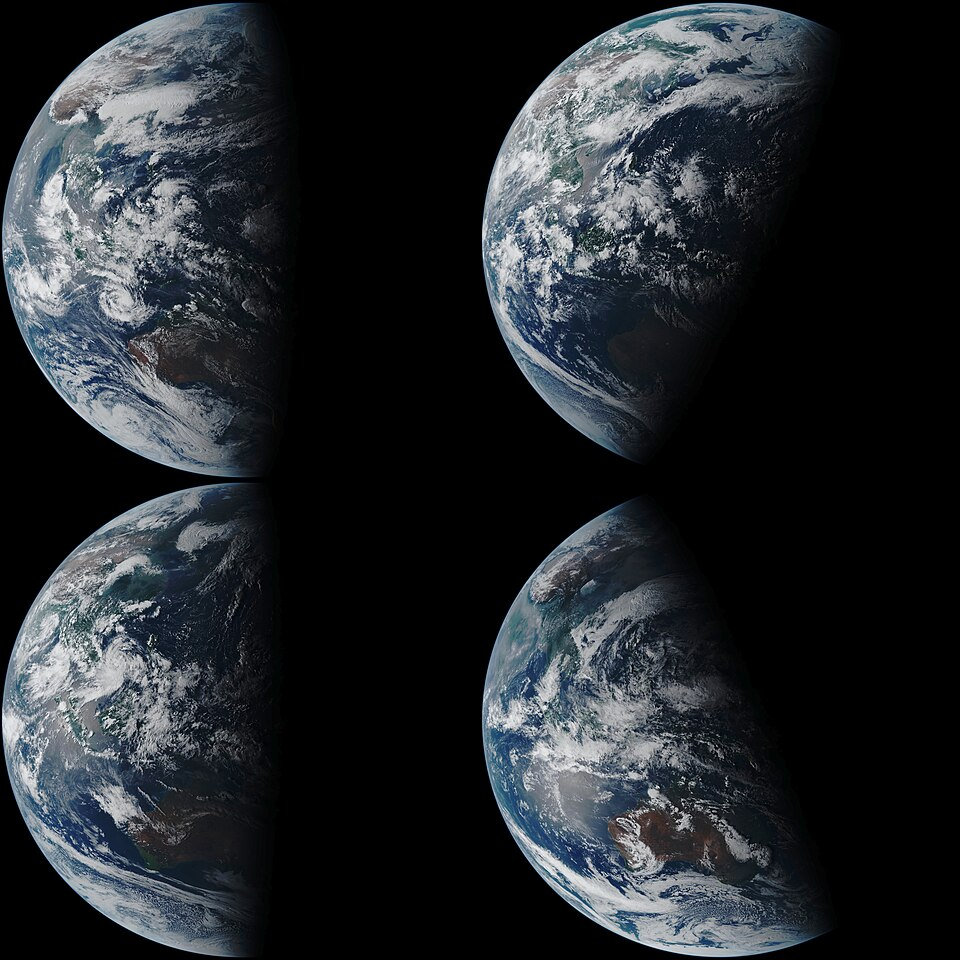
What Causes Earth's Seasons: The Science Behind the Solstice
This article explains the astronomical reason for Earth's seasons, debunking the common misconception that seasons are caused by Earth's dis
 amidthestarstours.com·6d ago
HELIOS — The Longest Day: A light-routing logic puzzle game submission for the June Solstice Game Jam
A submission for the June Solstice Game Jam, HELIOS — The Longest Day is a real-time light-routing logic puzzle where players use mirrors, s
 cstu.io·1d ago
Total Solar Eclipse on August 12, 2026: Viewing Path Across Europe and the Arctic
A total solar eclipse will occur on August 12, 2026, visible from parts of Russia, Greenland, Iceland, and Spain. It marks the first total s
 timeanddate.com·9d ago
NOAA declares El Niño for 2026 as Pacific Ocean warms
NOAA has officially declared El Niño conditions for 2026, confirming the development of a new phase of the ENSO cycle in the tropical Pacifi
 metoffice.gov.uk·9d ago
Comments
Sign in to join the conversation.
No comments yet. Be the first.