

























NOAA declares El Niño for 2026 as Pacific Ocean warms
By
Author: Met Office
Summary
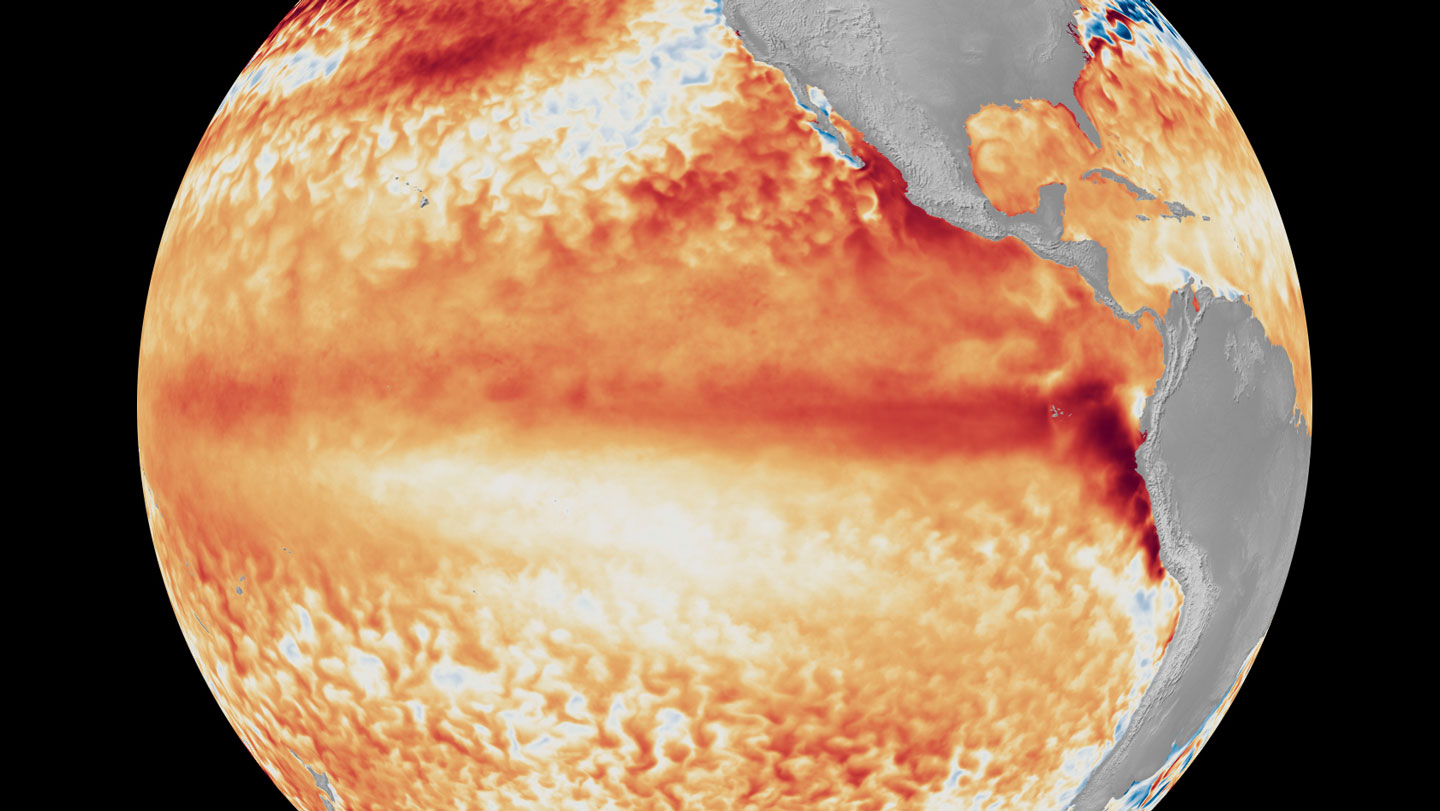
NOAA has officially declared El Niño conditions for 2026, confirming the development of a new phase of the ENSO cycle in the tropical Pacific. The declaration comes after months of forecasts indicating an increased likelihood of El Niño forming early in the summer of 2026.
Source

 bskyNOAA declares El Niño for 2026 as Pacific Ocean warmsmetoffice.gov.uk
Key quotes
· 3 pulledEl Niño conditions have now developed in the tropical Pacific, marking the start of a new phase of the El Niño Southern Oscillation (ENSO) cycle for 2026.
This transition has now been formally declared by the US National Oceanic and Atmospheric Administration (NOAA), which today confirmed that El Niño has developed and issued an El Niño Advisory.
This transition has been anticipated for some time, with forecasts over recent months consistently indicating an increased likelihood that El Niño would form early this summer.
You might also wanna read

NOAA confirms El Niño arrival; scientists warn it could become strongest on record by 2026
The article reports that El Niño has officially arrived, confirmed by NOAA on June 11, and scientists warn it could become the strongest El
 sciencenews.org·22h ago
Upcoming El Niño could be the strongest on record, posing risks for a warming world
The article discusses the phenomenon of El Niño, which was first observed by Peruvian fishermen centuries ago when anchovies would disappear
 economist.com·4d ago
The coming El Niño could be the strongest ever recorded, posing risks for a warming world
A brief article from The Economist's Science & technology section discusses the historical origin of the term "El Niño" (named by Peruvian f
economist.com·3d ago
NOAA Reports Severe G4 Geomagnetic Storm on January 19, 2026
The article reports on a severe G4 geomagnetic storm that occurred on January 19, 2026, as monitored by NOAA's Space Weather Prediction Cent
 swpc.noaa.gov·5mo ago
2025 Confirmed as Second Hottest Year on Record, Continuing Warming Trend
The article reports that 2025 will conclude as the second hottest year on record, surpassed only by 2024, continuing a recent trend of excep
 e360.yale.edu·5mo ago
41-Year Timelapse of Daily Ocean Temperature Anomalies (1985-Present)
A 41-year timelapse visualization of daily ocean temperature anomalies from January 1985 to present, highlighting specific oceanographic phe