
























NOAA Reports Severe G4 Geomagnetic Storm on January 19, 2026
Comments URL: Points: 15 # Comments: 2
Read the full articleYou might also wanna read

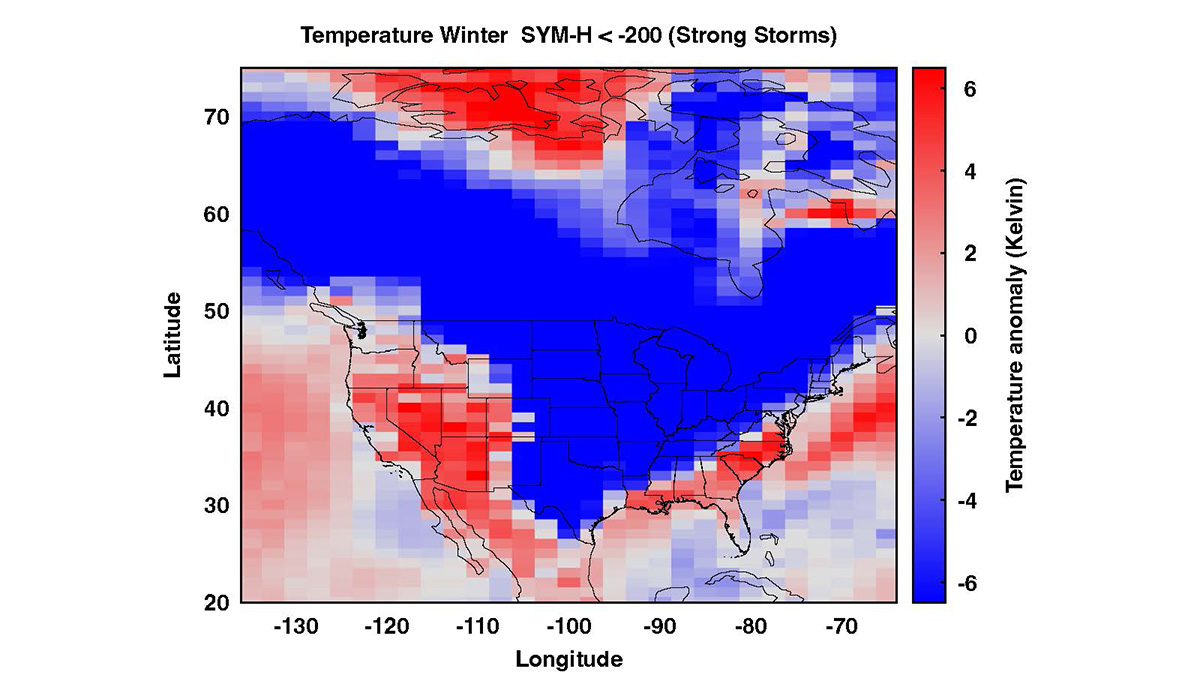
New Study Investigates How Solar Storms Influence Earth's Weather Patterns
New findings could help narrow down the mechanisms by which solar activity influences our weather.
 eos.org·23d ago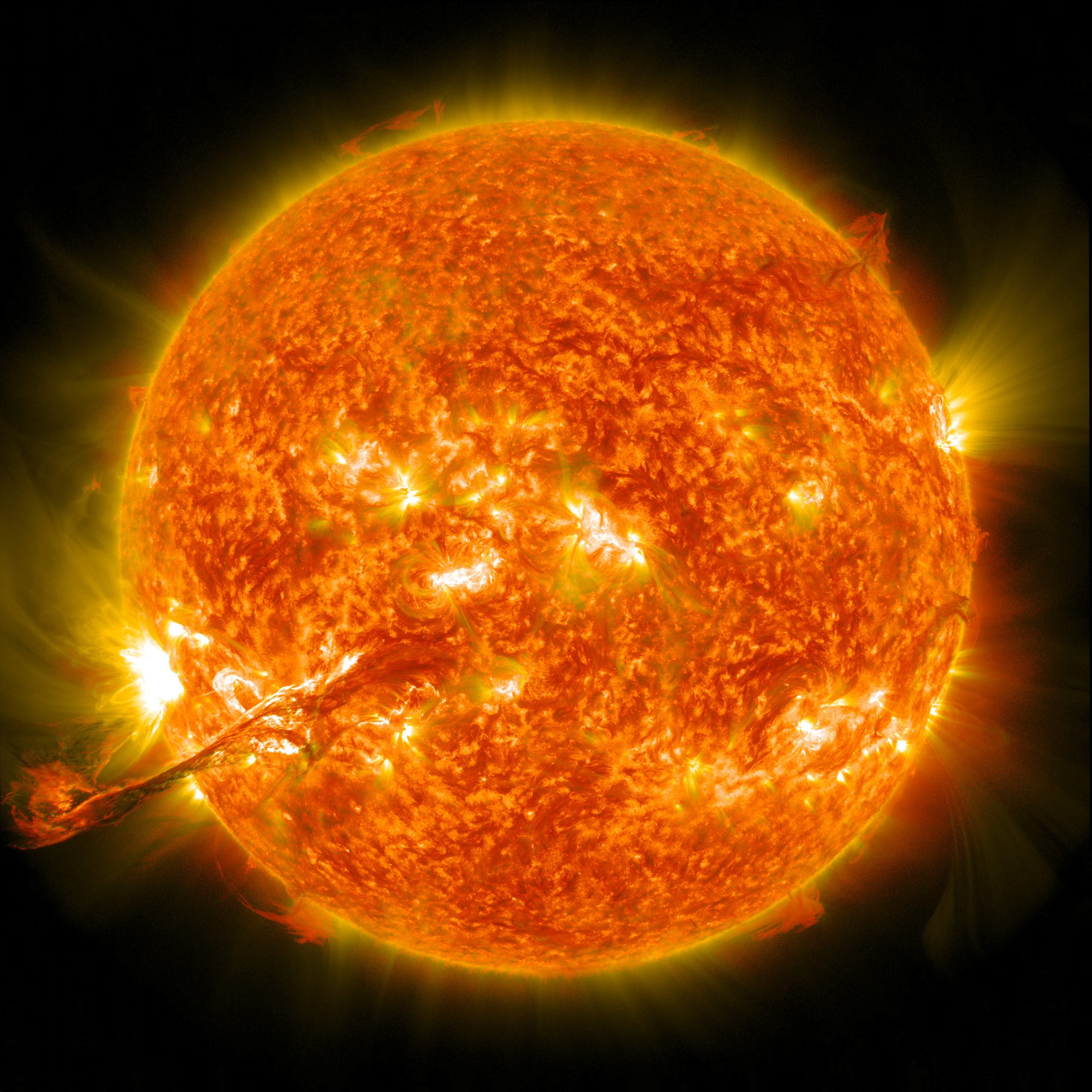
The overlooked risk of space weather to America's AI-driven electric grid
How space weather could bust the AI boom
 spacenews.com·22d ago
When Winds Collide: Predicting the Effects of Stream Interaction Regions
Though less destructive than coronal mass ejections, moderate space weather events like stream interaction regions can still cause geomagnet
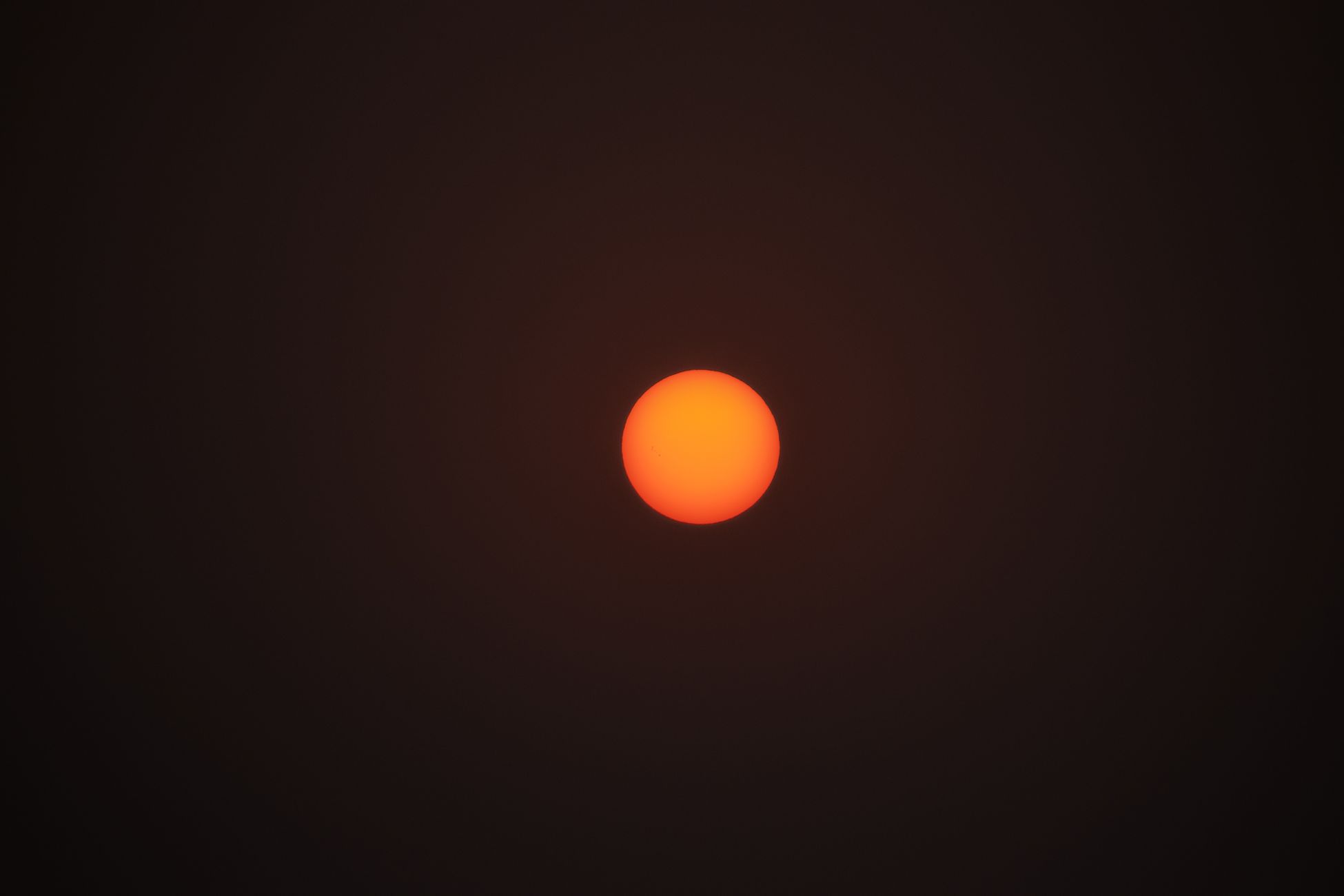
NASA's STEREO-A spacecraft captured only direct measurements of a Carrington-class solar storm in 2012
On July 23, 2012, a coronal mass ejection of Carrington-class intensity tore off the Sun and struck NASA's STEREO-A spacecraft head-on. Eart
 spacedaily.com·25d ago
New NASA Study Says Possibly No Limit to Solar Storm Effects
For decades, scientists have thought that there is a ceiling to how intensely Earth responds to solar storms. However, a NASA-led paper publ
New NASA Study Says Possibly No Limit to Solar Storm Effects
For decades, scientists have thought that there is a ceiling to how intensely Earth responds to solar storms. However, a NASA-led paper publ

Featured Image: Mother’s Day Superstorms
In May 2024, the Sun put on a powerful display of solar storms, and researchers have examined the source of all this activity to understand
Comments
Sign in to join the conversation.
No comments yet. Be the first.