





















The Hidden History: How Emoji Were Initially Restricted to Japanese iPhones Before Global Release
By
tobr

Pure flour-power. Hearty enough to carry you through lunch.
Summary
The article explores the early history of emoji on iPhones, detailing how emoji were initially only available on Japanese iPhones from 2008-2011 before iOS 5 made them universally accessible. It describes how a developer discovered a hidden preference called KeyboardEmojiEverywhere that could enable emoji globally, highlighting the technical workaround that existed during this transitional period. The piece examines the cultural and technical evolution of emoji adoption on Apple devices.
Key quotes
· 3 pulledIt's hard to imagine it now, but during iPhone's first year, no emoji were available at all.
But in between 2008 and 2011, there existed a peculiar interregnum where emoji were only available on Japanese iPhones.
Eventually, an enterprising developer realized that emoji outside Japan was as easy as toggling a UI-less preference with a great name KeyboardEmojiEverywhere, hiding inside the innards of the iPhone.
You might also wanna read

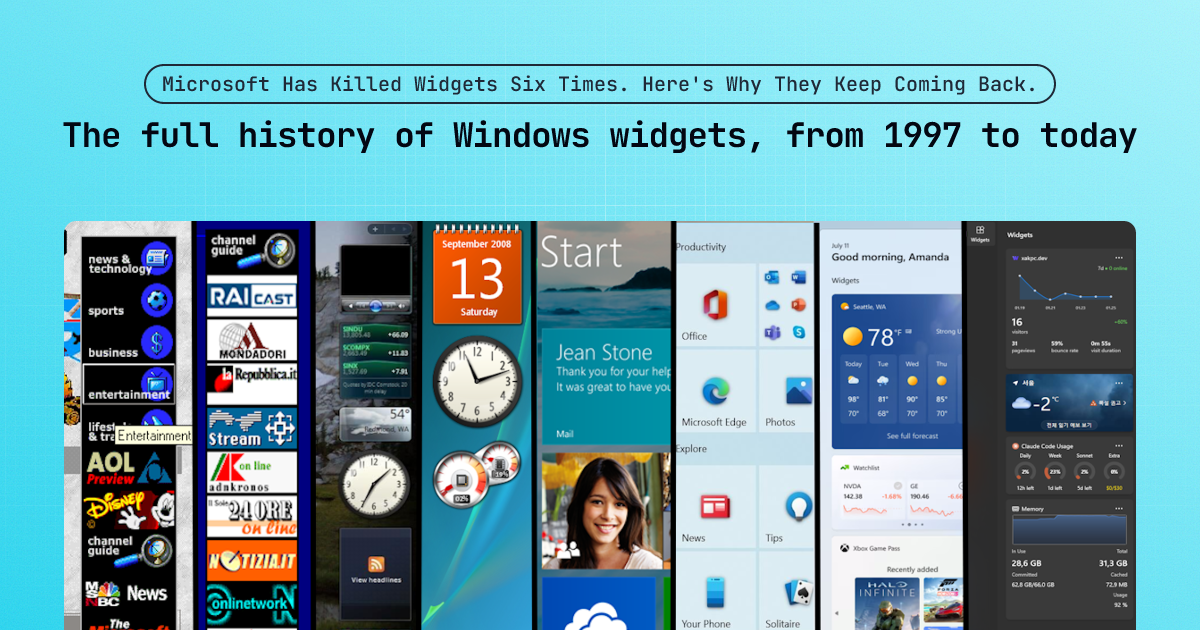
The Evolution and History of Windows Widgets: Six Implementations from 1997 to Today
This article provides a comprehensive history of Windows widgets spanning from 1997 to the present, detailing six different implementations
 xakpc.dev·3mo ago
Project Xanadu: The Alternative Internet Vision That Never Was
This article is a review contest finalist examining Project Xanadu, Ted Nelson's visionary alternative to the modern internet that was conce
 astralcodexten.com·8mo ago
The Failed Promise of Interactive Television: Why Teletext Never Took Off in North America
This article explores the history and development of interactive television services, particularly focusing on teletext systems in North Ame
Kefir C compiler development moves to private mode indefinitely
The developer of the Kefir C compiler announces the cessation of public development, transitioning the project to private mode indefinitely.
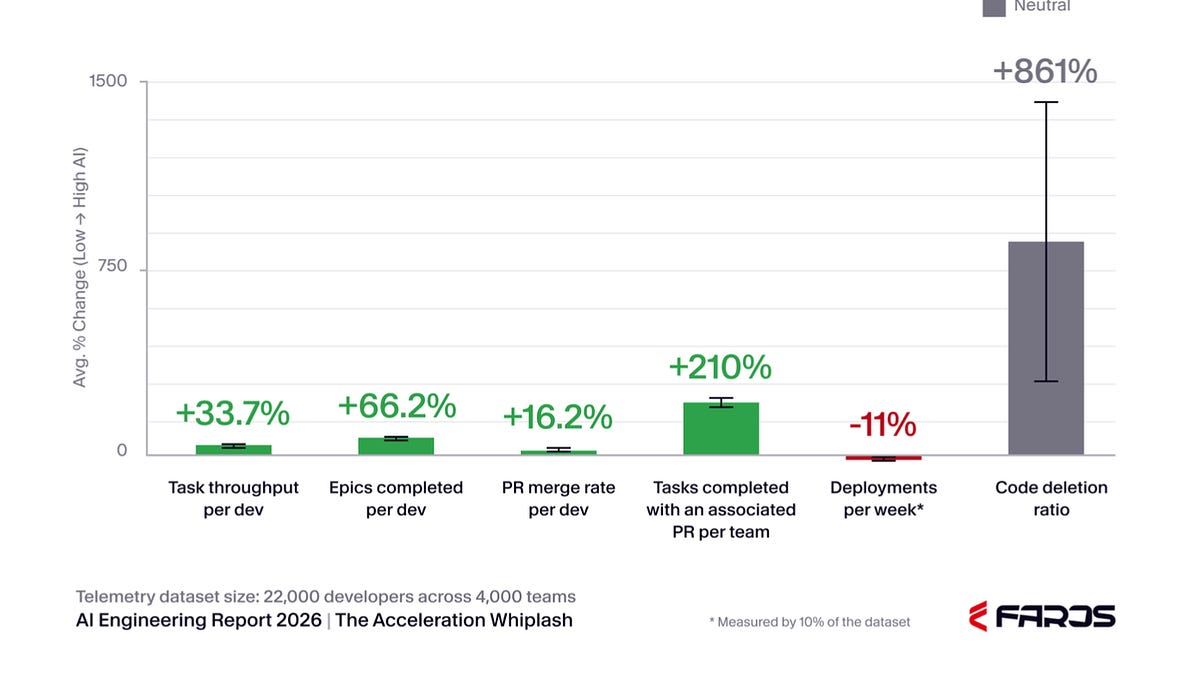
Why Average LLM Use Is Likely Destroying Value in Software Development
The author argues that, contrary to prevailing hype, the average use of Large Language Models (LLMs) is likely destroying value rather than
 unessays.substack.com·20h ago
How AI Accelerated Prototyping: From Idea to Tangible in Record Time
The author reflects on how AI has transformed their prototyping workflow. Previously, the biggest bottleneck was the time needed to scaffold
 darylcecile.net·20h ago