
























The Evolution and History of Windows Widgets: Six Implementations from 1997 to Today
30 years of Windows widgets — from Active Desktop to the Widget Board. Six implementations, six deaths, and the scar tissue that shapes the platform you'd build on today.
Read the full articleYou might also wanna read


How to remove widgets in Windows 11
Widgets in Windows 11 are all new, but that doesn't mean you have to use them. Discover how to hide or completely remove widgets from Window
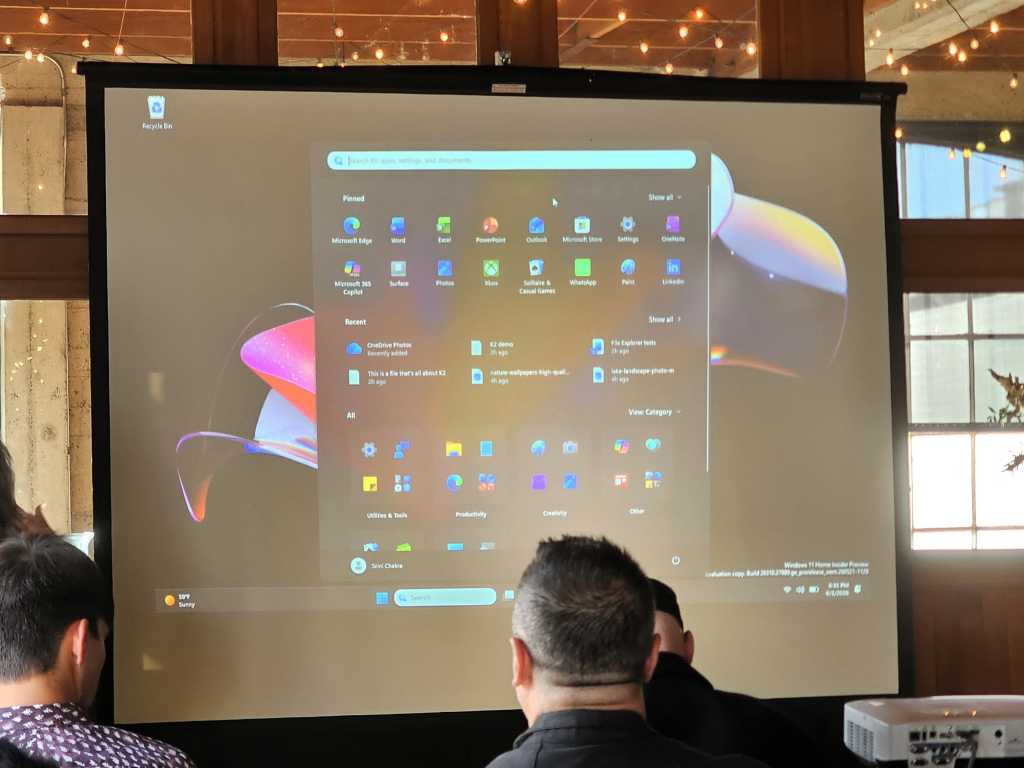
Microsoft revives Windows Insider meetups, giving regular users a direct voice in Windows development
Microsoft's Windows Insider meetups are back. They're a reminder of what made Windows 10 feel so personal and worth caring about.
 pcworld.com·1mo ago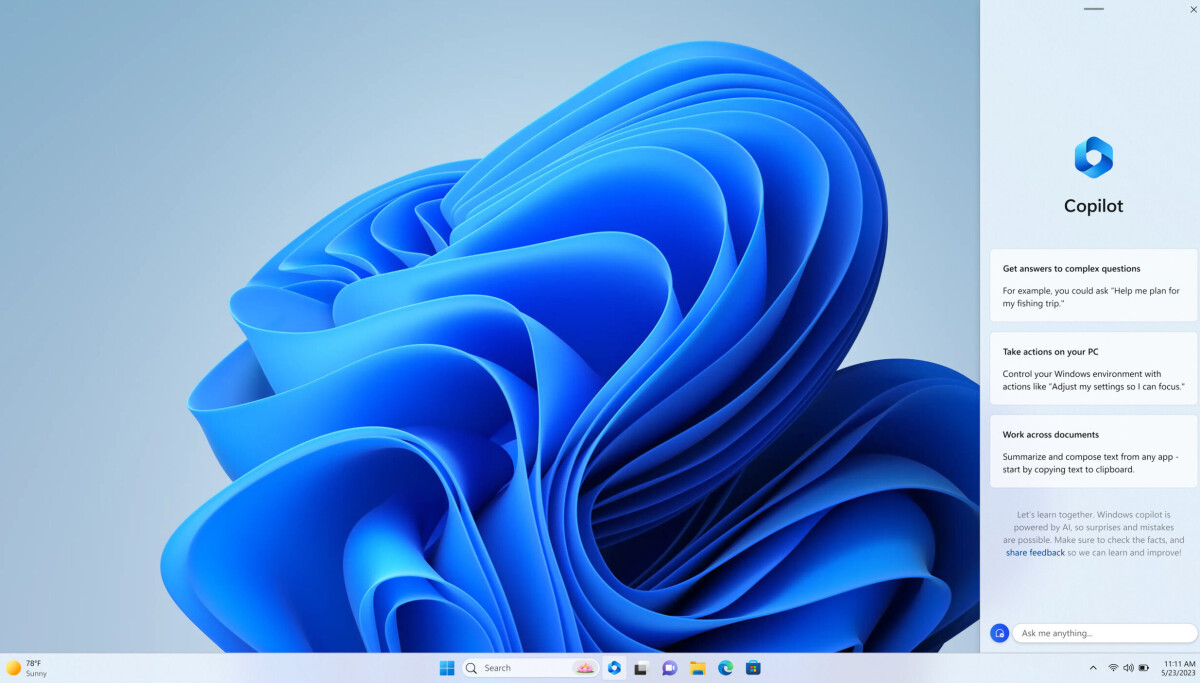
Windows 11 at five: A controversial OS and lessons Microsoft still hasn't learned
Maybe sometimes users know best
 theregister.com·19d ago
Microsoft's Hidden Windows 11 GDID Tracker, How a Little-Known Device Identifier Sparked a Global Privacy Debate
Windows has evolved far beyond a traditional desktop operating system. Modern versions of the platform integrate cloud services, identity ma
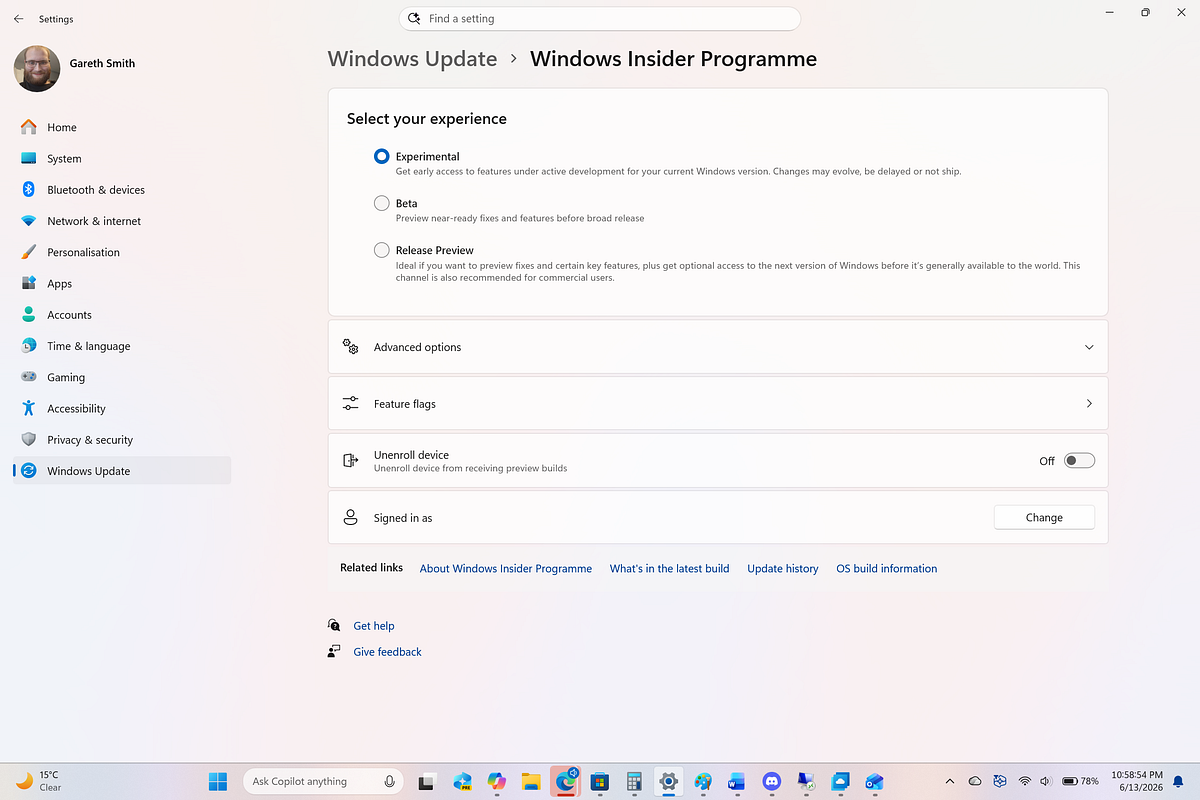
Windows 11 Insider Channels Explained: Experimental, Beta, and Release Preview Guide
Windows 11 Insider Channels Explained: Experimental, Beta and Release Preview and Which One to Choose A practical guide to Microsoft’s new E
 medium.com·1mo ago
Microsoft Backtracks on Taskbar & AI in Huge Windows 11 Overhaul
Microsoft has announced major quality-of-life improvements for Windows 11, including a repositionable taskbar, reduced Copilot integration,
Comments
Sign in to join the conversation.
No comments yet. Be the first.