





















Project Xanadu: The Alternative Internet Vision That Never Was
By
paulpauper

Toasted golden, schmeared with insight. Top of the rack.
Summary
This article is a review contest finalist examining Project Xanadu, Ted Nelson's visionary alternative to the modern internet that was conceived in the 1960s. The piece explores how Xanadu proposed a fundamentally different architecture for digital information - one based on transclusion (linking content rather than copying), two-way links, version control, and micropayments for content creators. The review contrasts Xanadu's elegant but complex design with the simpler, more pragmatic approach that ultimately created the World Wide Web, analyzing why Nelson's ambitious vision never achieved mainstream adoption despite its technical superiority in many respects.
Key quotes
· 4 pulledXanadu proposed a fundamentally different architecture for digital information - one based on transclusion (linking content rather than copying), two-way links, version control, and micropayments for content creators.
The review contrasts Xanadu's elegant but complex design with the simpler, more pragmatic approach that ultimately created the World Wide Web.
Nelson's ambitious vision never achieved mainstream adoption despite its technical superiority in many respects.
The piece serves as both a historical examination and a thought experiment about what the internet might have become under different technological choices.
You might also wanna read


The Internet Isn't Dying — Its Commercial Veneer Is
A reflective essay on the perceived decline of the internet as commercial platforms decay, social media spaces fragment, and once-vibrant on
 terrygodier.com·1d ago
The Internet Isn't Dying — Its Commercial Veneer Is
A reflective essay on the perceived decline of the internet as commercial platforms decay, social media spaces fragment, and once-vibrant on
terrygodier.com·1d ago
rip.so: A Digital Graveyard Memorializing Lost Internet Services and Messengers
A memorial website (rip.so) that catalogs and mourns discontinued digital services, focusing on messaging platforms like ICQ (1996-2024) and
rip.so·1mo ago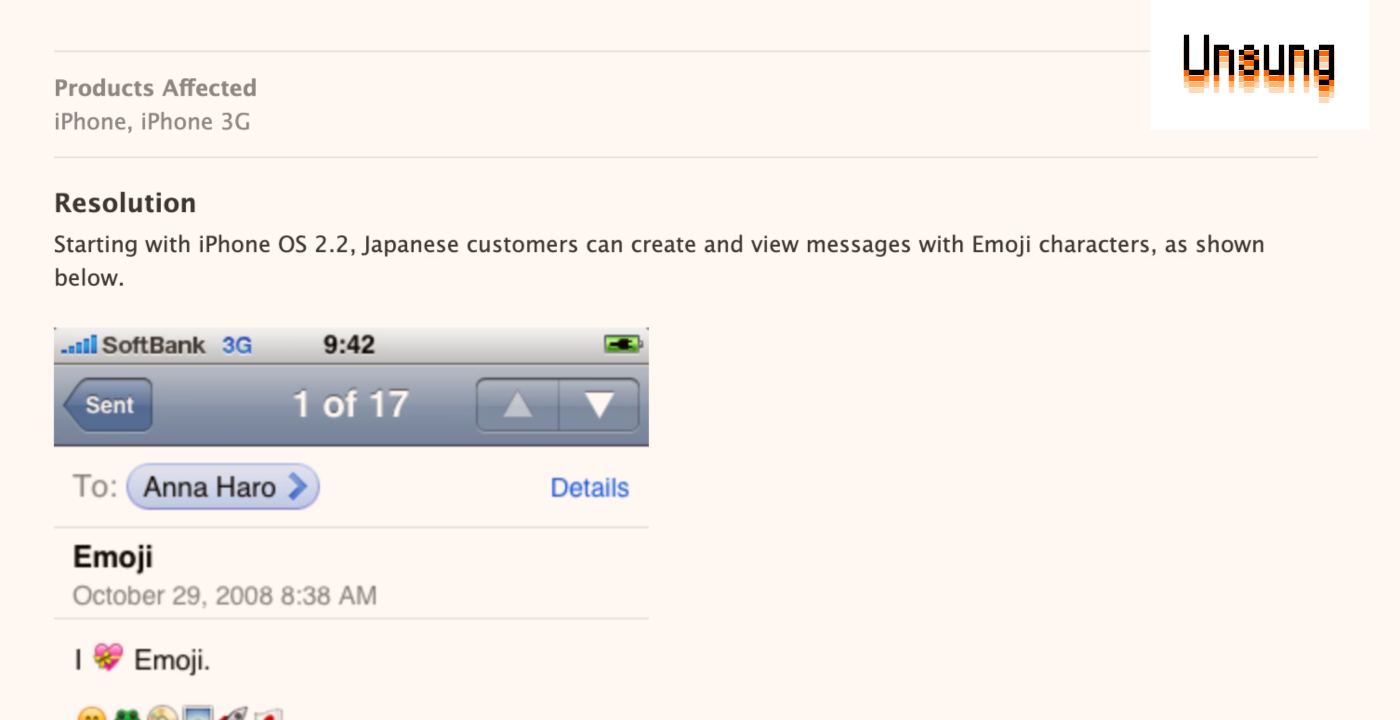
The Hidden History: How Emoji Were Initially Restricted to Japanese iPhones Before Global Release
The article explores the early history of emoji on iPhones, detailing how emoji were initially only available on Japanese iPhones from 2008-
 unsung.aresluna.org·2mo ago
The 1988 Morris Worm: How a Programming Experiment Infected 10% of the Early Internet
The article recounts the 1988 Morris worm incident, where Cornell graduate student Robert Tappan Morris unleashed a computer worm that infec
 tomshardware.com·6mo ago
The Failed Promise of Interactive Television: Why Teletext Never Took Off in North America
This article explores the history and development of interactive television services, particularly focusing on teletext systems in North Ame