
























The Great Green Wall was pitched in 2007 as an 8,000-kilometre tree barrier — but 15 years in, only about 4% of the trees are actually in the ground
From the article
The Great Green Wall was launched in 2007 as an 8,000-kilometre corridor of trees across the Sahel. Fifteen years and billions in pledges later, only about 4% of the trees are actually in the ground — and the story of what happened to the rest is a case study in the gap between climate pledge and climate delivery. The post The Great Green Wall was pitched in 2007 as an 8,000-kilometre tree barrier — but 15 years in, only about 4% of the trees are actually in the ground appeared first on Space Daily .
Continue reading on Space DailyYou might also wanna read

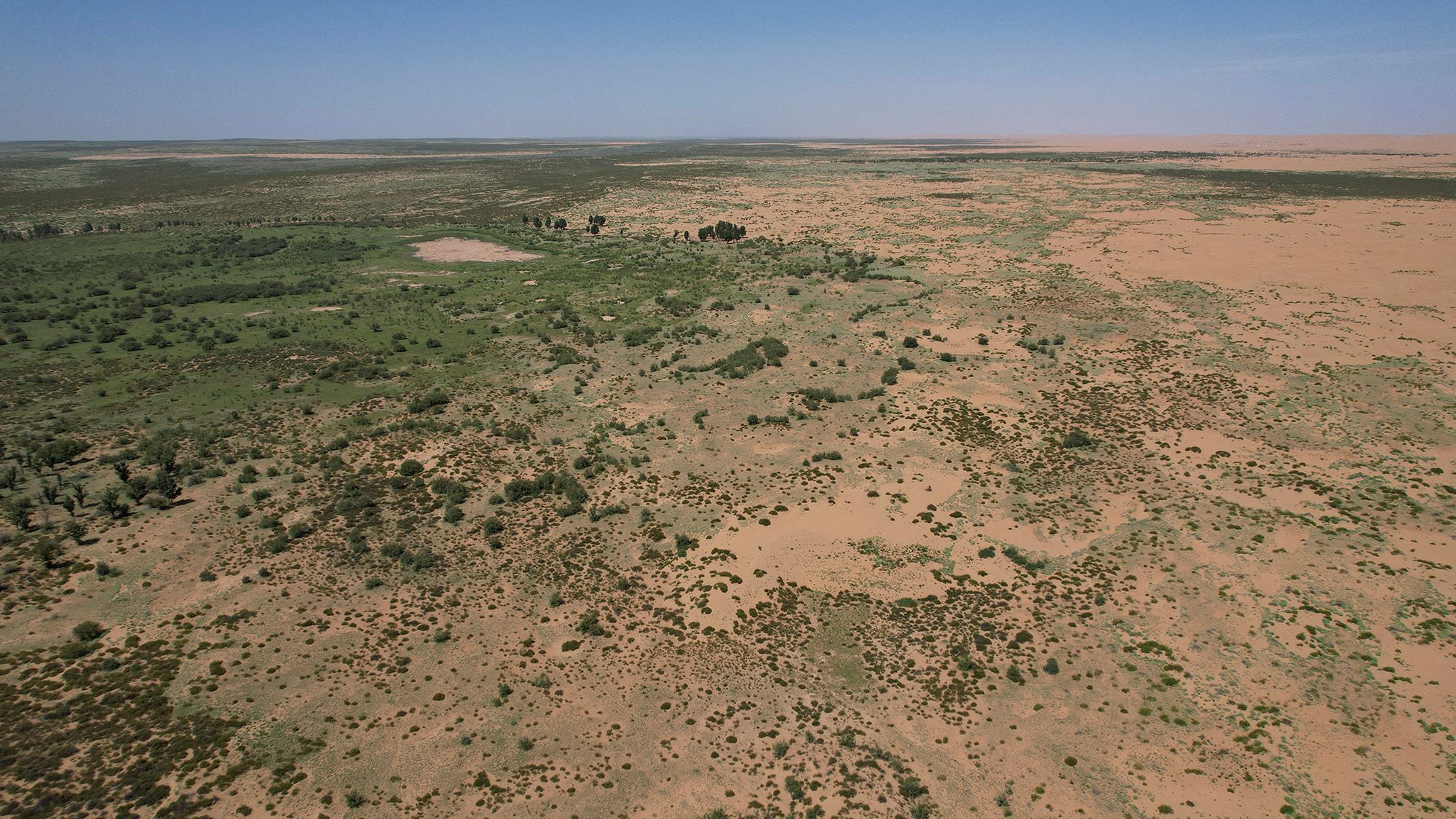
Study: China's planted reforestation trees grow faster than natural forests, likely due to CO2 sensitivity
A new study finds that trees planted as part of China's massive "Great Green Wall" reforestation project are growing faster than those in na
 livescience.com·8d ago
Study: China's planted reforestation trees grow faster than natural forests, likely due to CO2 sensitivity
A new study finds that trees planted as part of China's massive "Great Green Wall" reforestation project are growing faster than those in na
Live Science·8d ago
UK Aims to Plant 20 Million Trees
theearthandi.org·16d ago
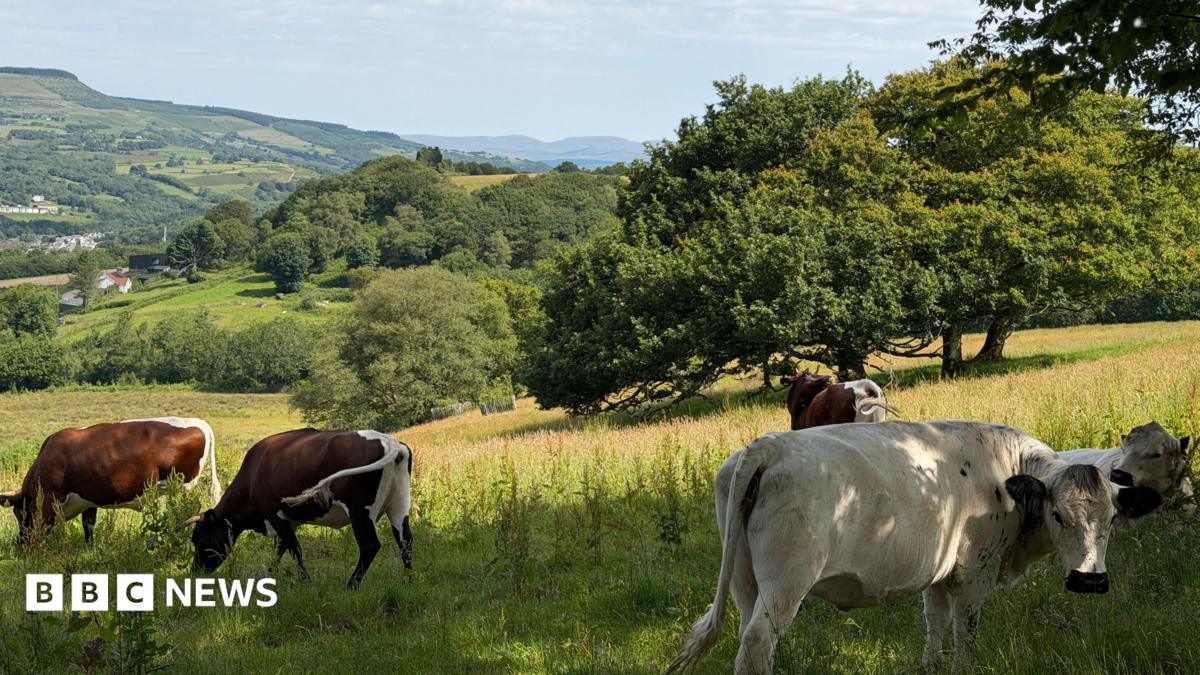
Wales faces major shortfall in tree-planting targets due to bureaucratic red tape, charity warns
The Woodland Trust warns that bureaucratic red tape in Wales makes it easier to cut down woodlands than to create new ones. While tree plant
 bbc.co.uk·12d ago
Corporate buyers commit to 635k carbon removals from Indonesia restoration project
Carbon Pulse·1d ago
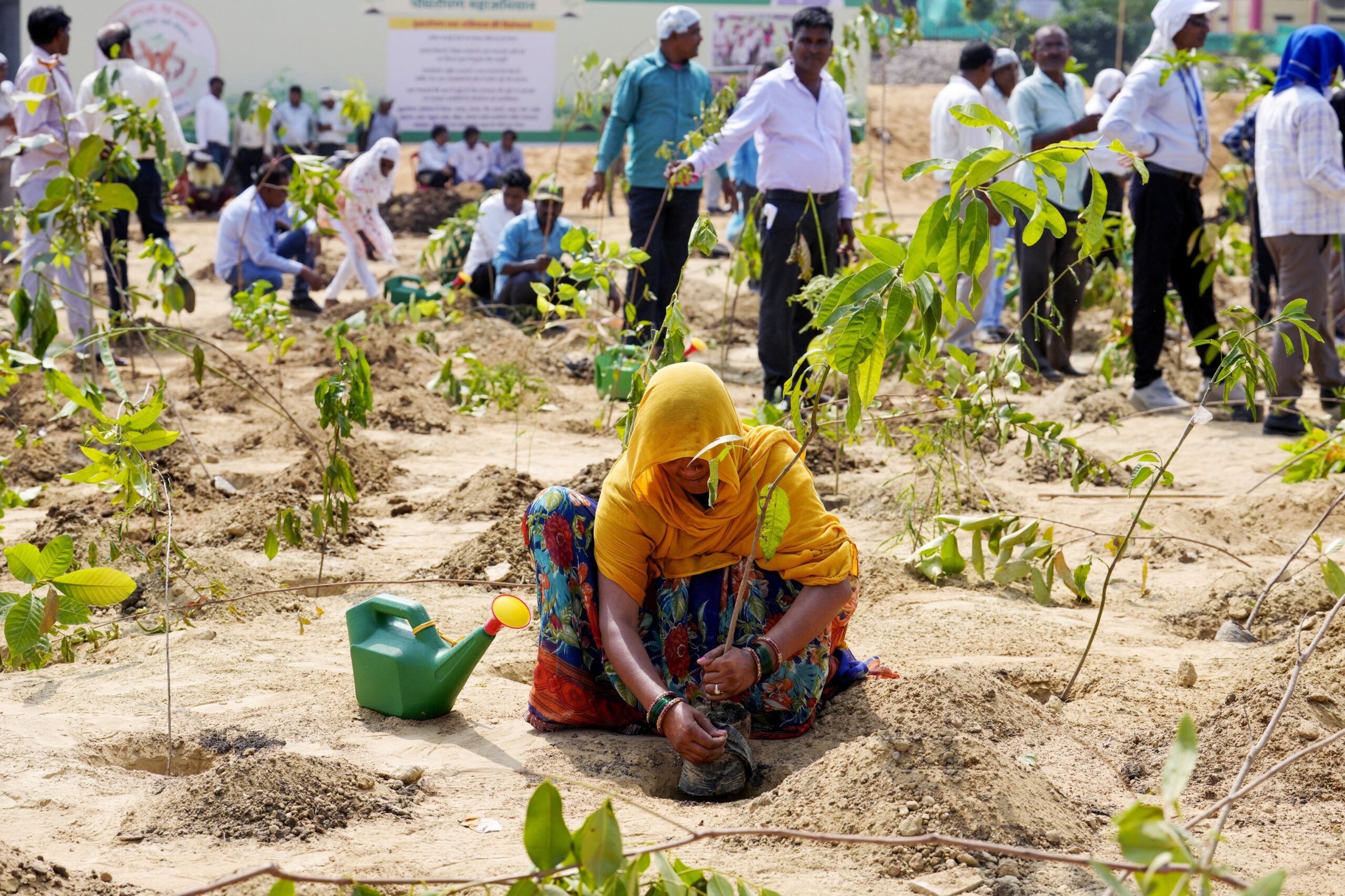
Why India's large-scale tree-planting programs fail to meet climate and biodiversity goals
India's ambitious tree-planting programs, including Van Mahotsav, Green India Mission (GIM), National Afforestation Programme (NAP), and Sub
 india.mongabay.com·1mo ago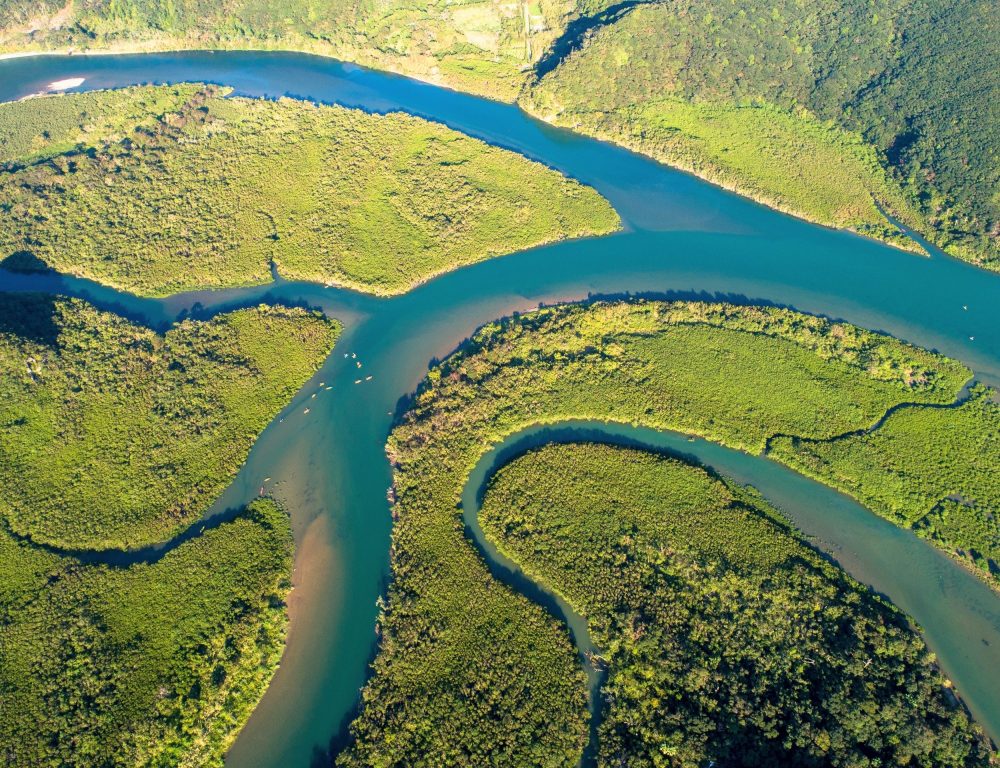
Mangrove forests show global recovery with gains exceeding losses for 16 years, study finds
Mangrove forests, which lost nearly 2,900 square kilometers between the 1980s and 2010 due to clearing for shrimp farms, rice paddies, and d
 earth.com·1mo ago
Comments
Sign in to join the conversation.
No comments yet. Be the first.