
























India's energy paradox: How global oil shocks undermine renewable progress
By
Sunil Kumar Sinha
Summary
The article examines the "energy intensity paradox" in the context of the US-Iran conflict triggering a global energy shock. It focuses on India, which heavily relies on crude oil imports, and the resulting macroeconomic consequences: fuel price spikes, rising transportation/supply-chain costs, inflation, currency weakening, and reduced household disposable income. The piece argues that this energy shock serves as a critical reminder for India to accelerate its transition to renewable energy to achieve long-term energy independence, referencing India's commitments made at the COP26 Summit in Glasgow. Despite India's push for renewables, the article notes that energy use in manufacturing has actually increased due to price volatility and shifting fuel usage patterns.
Source

 bskyIndia's energy paradox: How global oil shocks undermine renewable progressthehindubusinessline.com
Key quotes
· 4 pulledThe US-Iran conflict has triggered a major global energy shock.
A country like India, which relies heavily on imports to meet its crude oil demand, is facing a fuel price shock.
Energy shock in the past and even now is a grim reminder for the country to accelerate movement towards renewable energy to secure long-term energy independence.
Despite renewable energy push, energy use in manufacturing has risen due to price volatility, shifting fuel usage
You might also wanna read


Iran War Energy Shock Drives Global Policy Shift Away from Fossil Fuel Dependence
The article discusses how the energy shock resulting from the Iran war has prompted global policymakers to reconsider strategies for reducin
 reuters.com·3mo ago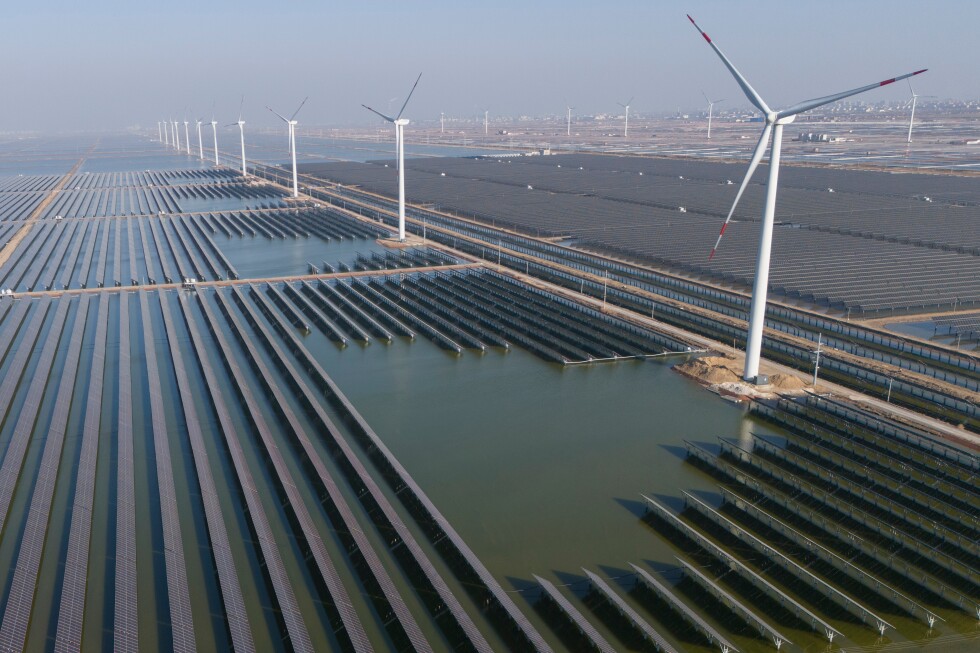
Iran Conflict Highlights Global Fossil Fuel Vulnerability, Renewables Urgency
The article discusses how the war in Iran is exposing global vulnerability to fossil fuel supply disruptions, particularly through the Strai
 apnews.com·3mo ago
Analysis: How U.S.-Iran Conflict Could Impact Data Centers and Electricity Costs Through Energy Market Volatility
The article discusses how the escalating conflict between the U.S. and Iran could impact data centers and electricity costs, particularly fo
 The Verge·3mo ago
The Environmental Challenge of Global Air Conditioning Demand
The article examines the growing global dependence on air conditioning as temperatures rise, highlighting the environmental paradox where in
 Dezeen·10mo ago
Civilizational Energy Transition and Contemporary Unrest
The article analyzes the current global unrest and radicalization as consequences of an unprecedented civilizational energy transition that

Clean energy funds see record inflows as Iran conflict shifts focus to energy security
Investors are increasingly pouring money into clean energy funds, driven by geopolitical tensions (specifically the Iran war) and the result
 Financial Times·1mo ago
Comments
Sign in to join the conversation.
No comments yet. Be the first.